



This article was written by Elise Edwards (nee Hoyer), Credentialled Diabetes Educator (CDE) & Accredited Exercise Physiologist (AEP)
Finding out you’re pregnant is a whirlwind of excitement, anticipation and a fair bit of anxiety. Throw a diabetes diagnosis into the mix (whether it’s Type 1, Type 2, or Gestational Diabetes) and it is very common to feel overwhelmed. With so much changing in your body, including pregnancy symptoms, plus the burden of managing a chronic condition, one of the first things that often gets pushed into the “too hard basket” is physical activity.
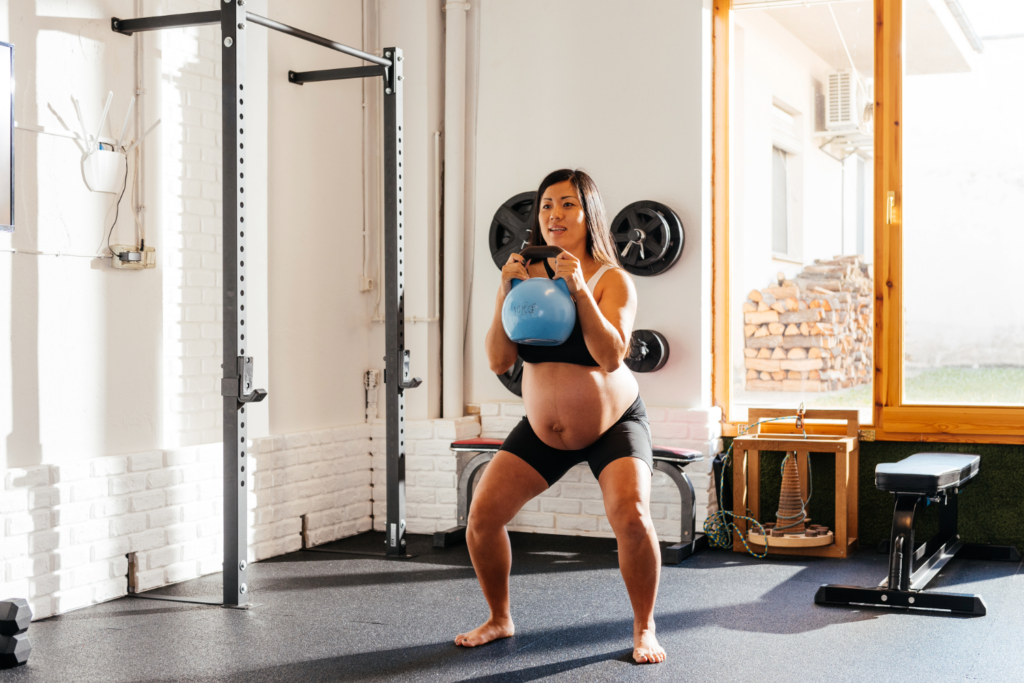
Some common fears I hear in the clinic is “Will exercise harm my baby? What if it makes my blood glucose drop too low?”. These are valid concerns; however, one of the most effective tools for managing diabetes and supporting a healthy pregnancy is exactly what some women are afraid to do: keep moving. There is so much research out there which shows exercise supports the development of a healthy baby, keeps mum strong during pregnancy and labour, and improves post-partum recovery.
Why movement matters for you and your baby
We know that exercise improves cardiovascular health and boosts our mood, but when you are navigating pregnancy with diabetes, physical activity works some extra magic behind the scenes:
- Manages blood glucose levels: When you move, your muscles use glucose for energy, which naturally lowers your blood sugar levels. Regular movement also improves your body’s sensitivity to insulin, meaning the insulin you produce (or take) works more efficiently. We know that just 10 minutes is significant. For some women, late afternoon/evening movement can assist with lowering fasting levels and movement with 30mins of eating can help with post meal levels.
- Preparation for birth: Pregnancy and labour is physically demanding! Some research suggests giving birth is similar in energy expenditure to running over 30 marathons. Building and maintaining strength and fitness throughout your pregnancy helps your body prepare for birth and supports a smoother postpartum recovery.
- Protects your mental health: Managing diabetes during pregnancy can feel like a full-time job. There is a link between managing diabetes and post-partum depression. Exercise is a proven stress-reliever, helping to reduce symptoms of anxiety and giving you a sense of routine and control.
Remember: You don’t need to train like an athlete to see these benefits. The focus is on finding a sustainable, enjoyable routine. Moving more and sitting less can make a difference. Even 10 minutes at a time is a great start and something is always better than nothing.
How to get started safely
If you’re ready to lace up your joggers but aren’t sure where to begin, here are a few practical ways to exercise safely:
- Use the “Talk Test”: A great rule of thumb during pregnancy is that you should be able to hold a conversation while exercising. If you are too breathless to chat, it’s time to ease up.
- Timing: If you struggle with blood glucose spikes after eating, try scheduling a 10 to 20-minute walk within 30 minutes after a main meal. This is when your blood glucose is typically peaking, and the movement will help your muscles absorb that glucose.
- Always carry a hypo kit: If you take insulin, the risk of hypoglycaemia (low blood sugar) increases with activity. Always check your blood glucose levels before you start and keep a fast-acting carbohydrate (like a juice popper or jelly beans) in your pocket, glove box of your car or gym bag. Lots of women using insulin, regardless of their diabetes type, enjoy the convenience of a continuous glucose monitor (CGM) instead of finger pricking. Touch base with your diabetes team to see if this is a good option for you. Remember you’ve “Got to be 5 to Drive“!
- Listen to your changing joints: During pregnancy, your body releases a hormone called relaxin, which significantly loosens your ligaments to prepare for birth. This makes your joints looser and more prone to sprains. Avoid exercises with sudden changes in direction, heavy impacts or balancing risks (if you’re not used to it).
- Stay cool and hydrated: Ensure you wear comfy clothes (something that motivates you to keep moving while being a good temperature). Stick to well-ventilated areas, drink plenty of water before, during and after your session. Try and avoid exercising outside in the heat of the day.
Navigating technology and advanced adjustments
If you manage your diabetes using an insulin pump, exercise introduces an extra layer of planning. Pumps give us incredible flexibility but remember that insulin and physical activity may react differently while pregnant. You will likely need a plan in place from your care team (whether that be “activity or exercise mode” or a “temporary basal rate”). Remember that this can be different for every woman and every pregnancy! Never guess these adjustments. It is vital to contact your Credentialled Diabetes Educator (CDE) or Endocrinologist to help you map out a safe, step-by-step adjustment plan tailored to your specific device and pregnancy timeline.
If using insulin pens, this flow chart provides a clear visual guide on how to safely navigate your glucose before stepping out Exercise Right Type 2 Diabetes Adult Exercise Decision Tree. This highlights the essential steps required when managing blood glucose and movement.
You don’t have to figure it out alone
Managing blood glucose, adjusting to a changing centre of gravity and trying to stay active is a lot for one person to juggle. This is where building a support team makes all the difference. An Accredited Exercise Physiologist (AEP) can design a movement plan tailored specifically to your pregnancy stage and fitness level, while your CDE and diabetes team keep your personal glucose targets on track.
Sometimes, improving health during a high-stakes time like pregnancy starts with a simple conversation, a gentle walk and having the right professionals in your corner to help you keep showing up safely.
References
Davenport, M. H., Meah, V. L., Ruchat, S. M., Davies, G. A., Mottola, M. F., Skow, R. J., … & Mottola, M. F. (2020). Impact of prenatal exercise on neonatal and childhood outcomes: A systematic review and meta-analysis. British Journal of Sports Medicine, 54(5), 275–281.
Harrison, C. L., Lombard, C. B., Moran, L. J., & Teede, H. J. (2021). Exercise in the management of gestational diabetes mellitus: A systematic review and meta-analysis. Journal of Clinical Medicine, 10(8), 1642.
Ribeiro, M. M., Andrade, A., & Nunes, I. (2023). Physical activity and pregnancy with pre-existing diabetes: A review of safety, efficacy, and clinical guidelines. International Journal of Environmental Research and Public Health, 20(4), 3125.
Soraes, R., Silva, V., & Santos, M. (2024). Safety guidelines for insulin pump adjustments during physical activity in pregnant women with pre-existing type 1 diabetes. Australian Journal of Advanced Clinical Nursing, 31(2), 112–119.
Turner, G., Coombes, J. S., & Medical Exercise Research Group. (2022). Exercise prescription guidelines for high-risk metabolic conditions and gestational health outcomes in Australia. Journal of Science and Medicine in Sport, 25(6), 498–505.
Twigg, S. M., & Wong, J. (2022). Exercise and technological integrations in diabetes care: Practical guidance for Australian clinicians managing high-risk cohorts. Medical Journal of Australia, 216(7), 345–351.