


What is dystonia?
Dystonia is a movement disorder. It causes abnormal twisting or positions in a parts of the body, along with spasms or tremors. There are different types of dystonia and it can affect almost any part of the body. In some people the postures may be fixed or locked, and in others they can occur from time to time.
Primary Dystonia affects 3 in every 1000 people, which is about 70,000 Australians. It can start at any age and can result in significant physical and social loses.
Can exercise improve dystonic symptoms?
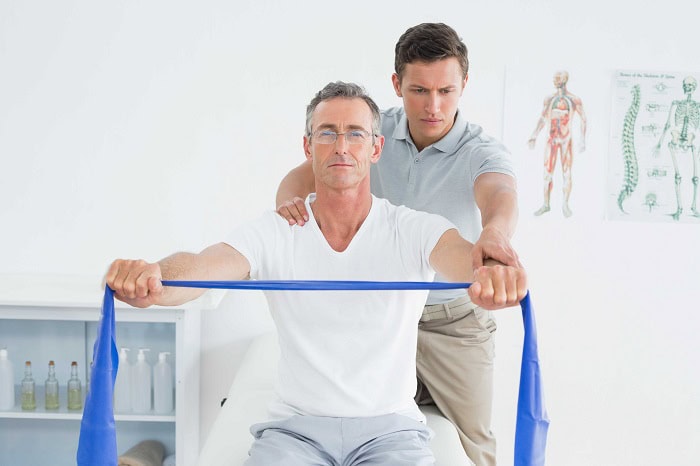
Exercise therapy can help to manage dystonia. While exercise doesn’t treat the dystonia itself, it does help to alleviate the symptoms. Symptoms which are positively affected by exercise include poor balance, rigid or poor posture, reduced mobility, and low stamina. It can also give people the ability to complete daily tasks more easily.
Goals of exercise therapy
The goal of exercise therapy in dystonia is to preserve and improve function. Once dystonia is diagnosed, seek the advice of an Accredited Exercise Physiologist (AEP) to help to establish:
1. Optimal posture
2. Optimal strength and flexibility of the musculoskeletal system to preserve and improve function
3. Education on the mind-body connection and how exercise can help mitigate stress (which often enhances symptoms)

Practical tips from an exercise physiologist
Each case is different and we recommend you seek the advice of an AEP to assess your condition personally. That said, there are some easy things you can do at home to help manage your symptoms:
- Keep your stress levels under control – stress commonly aggravates dystonia symptoms.
- Maintaining correct alignment and posture while active and resting.
- Ensure you wear well fitting footwear – high tops can help provide additional support for the ankle and knees.
- Choose high back chairs with arm rests when sitting, and use body pillows when sleeping.
- Low impact exercise with a focus on breathing (such as swimming, yoga, Pilates, Tai Chi) will increase fitness and reduce stress.
- Take frequent breaks (every 5-10minutes) when completing domestic tasks that you find difficult. There are many domestic aids on the market that can be used to assist you in the home and when you’re out and about.
The influence of Exercise Therapy (executed by an AEP) on movement disorders can open up a whole new world of possibilities for a patient. It can also simply allow you to continue being you, without feeling at the mercy of the disorder.
You can find more information about this condition at dystonia.org.au. If you’d like advice on how to Exercise Right for dystonia, click here to find an AEP near you.