


The term “underactive metabolism” is thrown around a lot, and is often blamed for difficulty losing weight. So, what does it actually mean? A slow or underactive metabolism is simply the result of hypothyroidism.
Hypothyroidism occurs when the thyroid gland fails to produce the necessary amount of the hormone thyroxine. This can be due to an iodine deficiency, autoimmune conditions such as Hashimoto’s, or many other reasons. The thyroid gland is found in your throat, and is made up of a left and a right half. The thyroid may be small, but it can have a big impact when it misfunctions!
How do I know if I have hypothyroidism?
Symptoms of hypothyroidism include, but are not limited to:
- Unexplained weight gain, or difficulty losing weight
- Fatigue or low energy levels
- Depression
- Issues with concentration
- Hair loss
- Always feeling cold, or increased sensitivity to cold environments
- Aching muscles or feeling weak

If you think you may have undiagnosed hypothyroidism it’s important to see your GP. They will organise any required tests and assist in management.
How does exercise help with hypothyroidism?
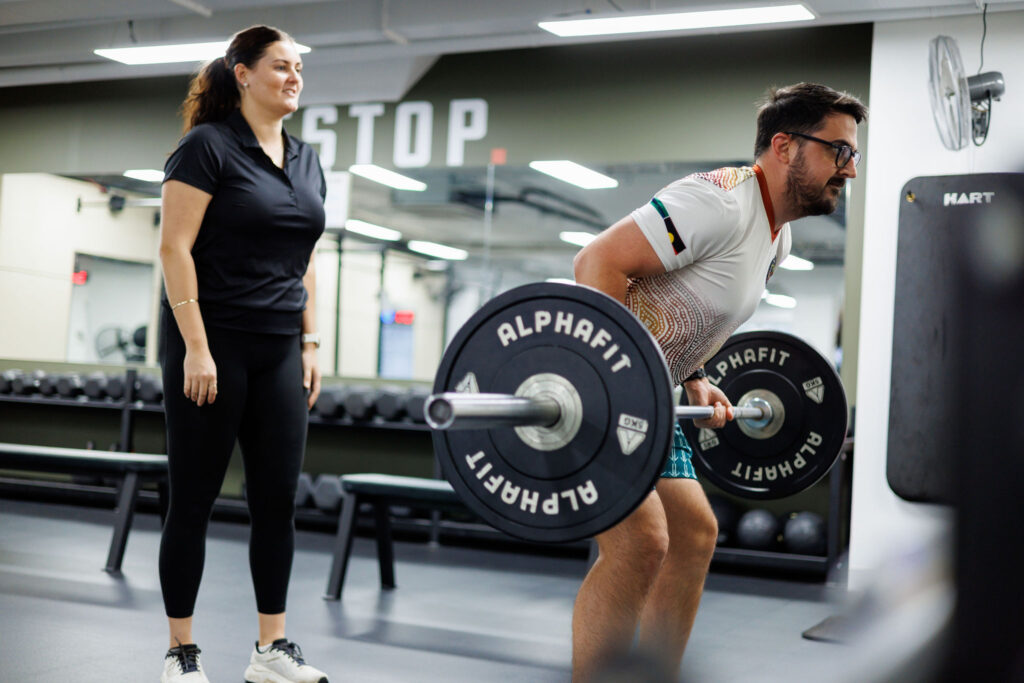
Exercise has so many fantastic benefits to help manage hypothyroidism. When you exercise a rush of feel-good hormones are released. This helps to improve mood, alleviate feelings of depression, and increase your self-esteem. Regular exercise reduces feelings of fatigue and improves sleep quality, which results in increased energy levels. Incorporating resistance training in to your exercise program can reduce joint pain and stiffness and improve muscle strength. It also enable your muscles to burn more energy to repair and recover afterwards. This assists with weight management, as your body burns more energy both while you’re exercising and resting.
What type of exercise is best?
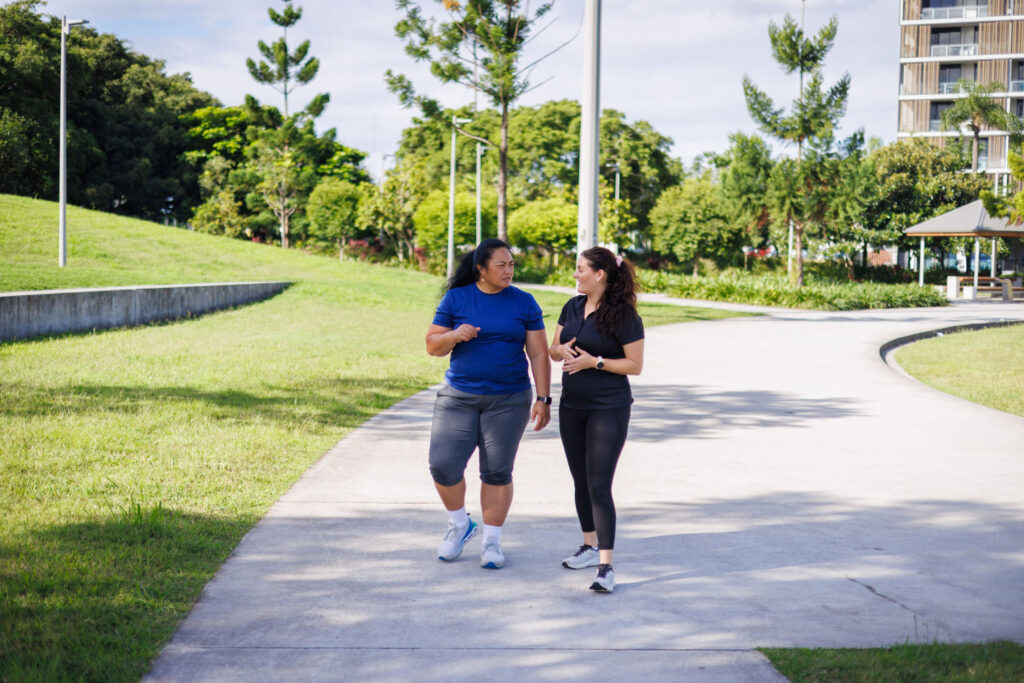
It’s important to do a mix of cardiovascular and strength training exercises. The Department of Health recommends adults do a minimum of 150 minutes per week of moderate to vigorous physical activity. This recommendation increases to 300 minutes per week for those looking to manage their weight. Some good activities to begin with include walking, swimming, and beginner gym classes.
Where to from here?
Contact your local Accredited Exercise Physiologist (AEP) to have an individualised exercise program designed specific to your needs. They will consider any other medical conditions or injuries you may have. See your GP prior to starting an exercise program if you’re currently inactive or have any pre-existing cardiac, respiratory or other major health conditions.
To find an AEP near you, click here.

References
https://www.betterhealth.vic.gov.au/health/conditionsandtreatments/thyroid-hypothyroidism