

In Australia, 1 in 2 adults report feeling lonely at least once a week, with older Australians most prone to experiencing loneliness given they often live alone; as social isolation is a major contributor to loneliness. Older adults may also experience a loss in functional ability as part of the ageing process, which may make it more difficult to get out and stay socially connected.
Loneliness is a negative feeling that arises when someone’s social needs are unmet by their current social relationships. It can be harmful to both mental and physical health and is a significant health issue because of the serious impact it has on peoples’ lives.
There is strong evidence that loneliness can increase your risk of early death by as much as 26%. This means that the risk of premature death associated with loneliness is similar to that associated with well-known risk factors such as obesity and smoking.
The social benefits of exercise
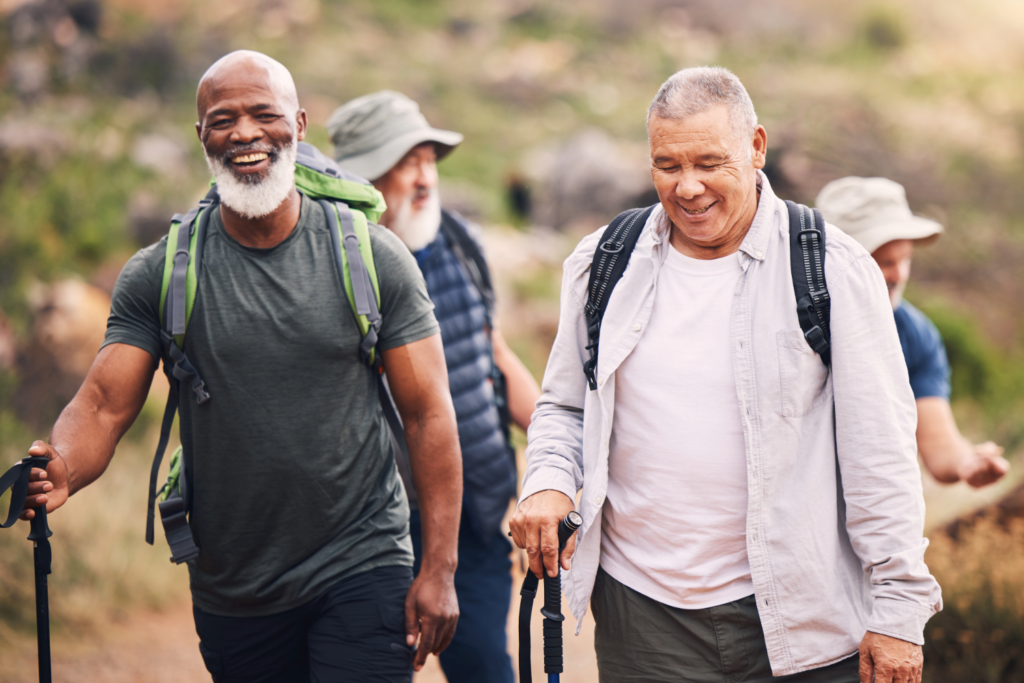
In all stages of life, it is important to be physically active and many older people do live very active and engaged lives. As we get older, keeping physically active enables you to maintain your independence whilst also providing a good way to connect and engage with other people and minimise the risk of social isolation and loneliness.
One of the major factors that are known to increase the adherence of older adults to an exercise programs is their participation in community group programs. This is primarily due to the social support and sense of belonging they receive whilst in a group setting. The opportunity to interact with friends and peers is another benefit of group exercise, meaning individuals are more likely to maintain their exercise routine if doing it with others.
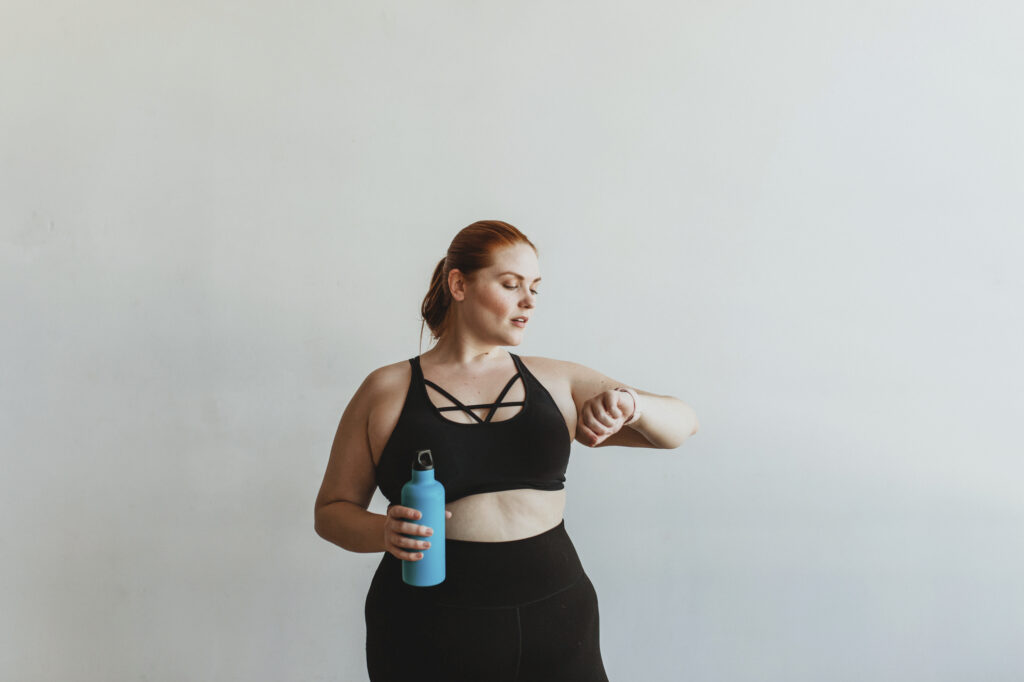
Exercising on your own also brings with it many benefits and provides an opportunity to take in your surrounds and bump into neighbours or others who are on the same ‘exercise shift’ as you. All these interactions help with the enjoyment and motivation to exercise, so do what works for you and enjoy it.
Whatever exercise you choose to undertake, the important thing is to enjoy it as participation is the key. The positive benefits that can be gained from participation in a regular exercise program include improved physical and cognitive abilities, increased mood and social connectedness. These changes can subsequently lead to an overall greater level of independence and well-being and or at least a maintenance of your current levels.
Things to be aware of
The hardest part if you have been inactive for a while is getting started. Exercising should be enjoyable so find something you like doing and make a plan to do it. Little and often is a good way to go so you can build it into your daily routine and find the times that work best for you. Start gradually and progressively increase.
It can be important to vary your activities. Some days focus on cardiovascular fitness, things that make you huff and puff such as going for a walk or riding a bike. Other days focus on your strength and balance; stretching can be done every day even while sitting on your chair or lying on your bed.
Even when you feel like you don’t want to exercise, just getting out of the house will increase your chances of saying hello to a neighbour or even a stranger walking by. It all helps to put a smile on your face.
Be proud to be exercising and be visible to others such as your neighbours and friends who will encourage you and hopefully someone may want to join you. The social community aspect of exercise can be positive in many ways, but one benefit is that it can keep you accountable.
Speak to the exercise professionals
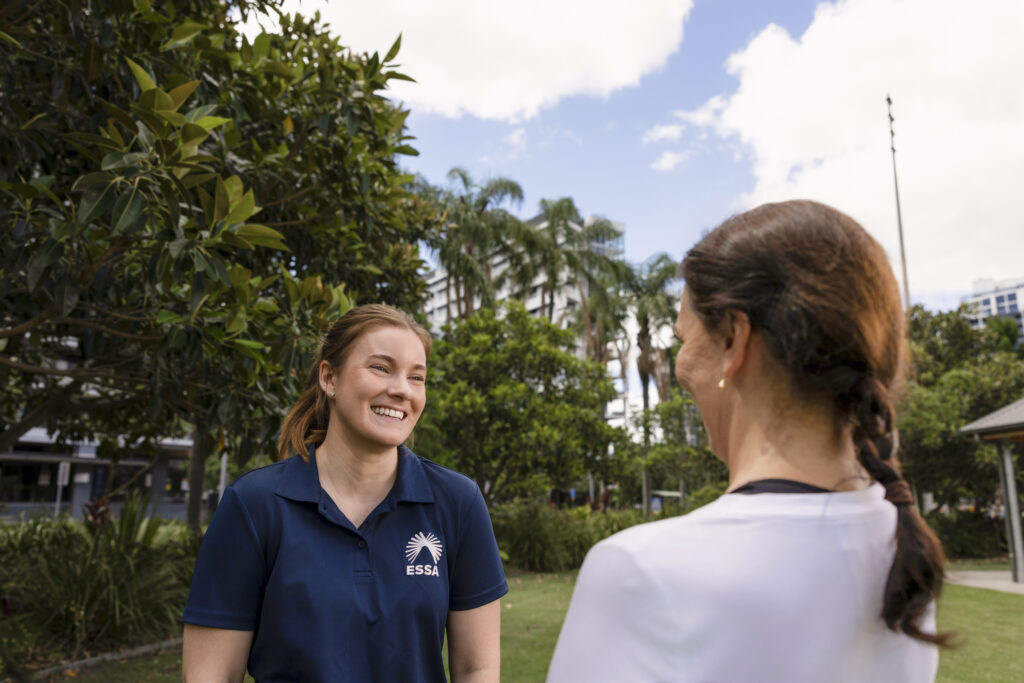
Chat to your GP if you are concerned about exercise and restrictions for any health conditions that you may have and ask to see an Accredited Exercise Physiologist who will help you get started with a program tailored just for you.
Accredited Exercise Physiologists deliver safe and effective community-based programs that assist with improving an older adult’s physical function, quality of life and self-management whilst considering individual needs and medical conditions.
Read more in the Exercise for Older Adults eBook! Download here.

Expert Contributor: Associate Professor Annette Raynor, ESSA Fellow; School of Medical and Exercise Science at Edith Cowan University.