


This article was written in collaboration with Accredited Exercise Physiologist Samuel Padarcic, General Manager of The Biomechanics.
What type of exercise actually builds bone density? Accredited Exercise Physiologist Sam Padarcic explains resistance training, impact loading, and balance work for managing osteopenia and osteoporosis.
Bone health has been getting more attention recently, but not always in a helpful way.
From claims about “bone-stimulating machines”, to messaging that suggests we should avoid impact or only stick to gentle exercise, it’s easy to see why people are confused.
When we zoom out and look at the evidence, the message is quite simple: bones adapt to load, and reducing falls is just as important as improving bone density.
For many people with osteopenia or osteoporosis, fractures don’t happen because bone is “weak” in isolation. They often happen because of a fall.
Bone health isn’t just about bone strength; it’s also about staying on your feet.
A quick refresher: Osteopenia vs Osteoporosis
- Osteopenia = lower than average bone mineral density
- Osteoporosis = significantly reduced bone strength, increasing fracture risk
Both conditions exist on a spectrum, and risk increases with age, particularly after 50, but they can also occur earlier depending on genetics, hormones, medications, nutrition, and lifestyle factors. A bone density scan (DEXA) can be used to assess and confirm diagnosis.
Key modifiable factors and management strategies include:
- Resistance training
- Weight-bearing and impact exercise
- Ensuring adequate calcium intake
- Sufficient Vitamin D levels which allow calcium to be absorbed
- Preventing falls
Exercise sits at the centre of this.
Exercise is essential-but not all loading is equal
Bones are living tissue. They don’t respond to “movement” in general. They respond to the type, magnitude, and speed of load.
To stimulate bone adaptation, the research consistently highlights:
- High strain
- Rapid loading
- Multidirectional forces
- Progressive overload over time
This is why modern guidelines (including Healthy Bones Australia, 2024) don’t just say “stay active.” They outline specific strategies that improve bone density.
Resistance training builds bone strength
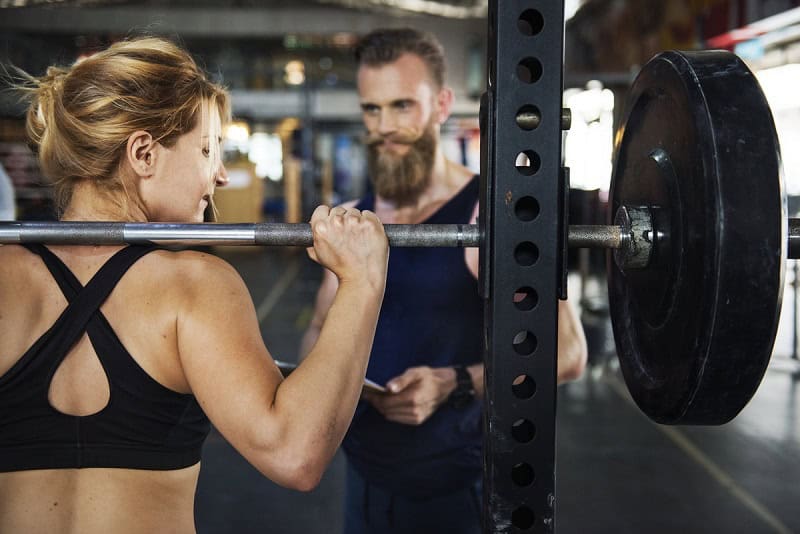
Resistance training is one of the most effective ways to improve and maintain bone health.
What the research and guidelines suggest:
- 2 to 3 days per week
- Moderate to high intensity (~75 to 85% 1 repetition max weight or high effort)
- 2 to 3 sets per exercise
- Up to ~8 exercises per session, focusing on major muscle groups
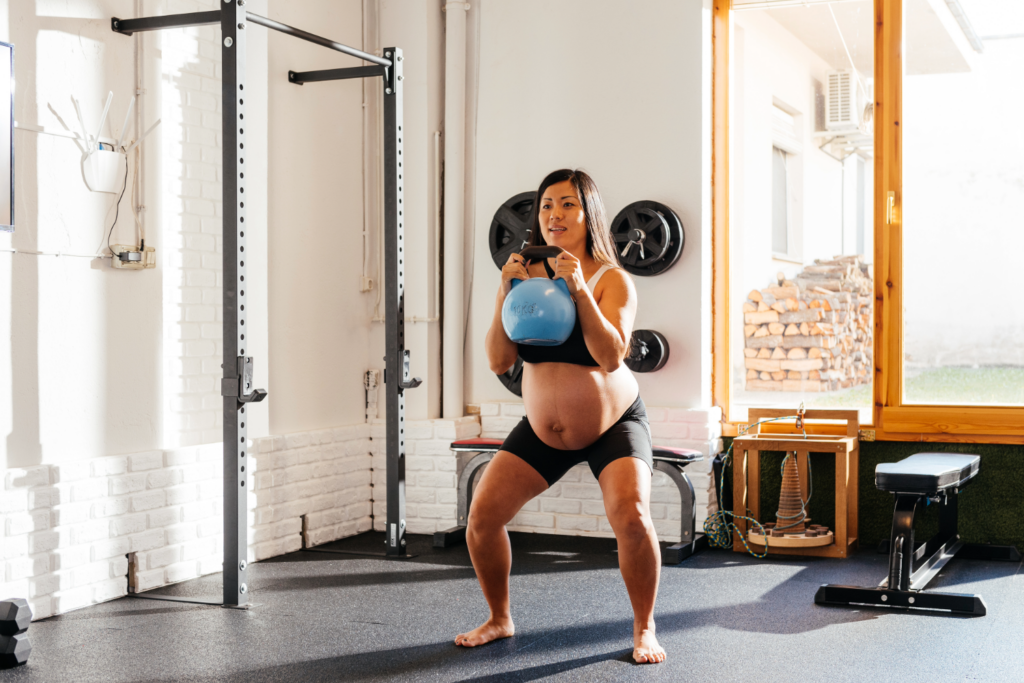
Think multi-joint movements: squats, deadlifts, lunges, push-ups, rows.
Why this works: bones don’t adapt in isolation. When muscles contract, they pull on tendons, which pull on bone, creating mechanical strain. That strain is the signal. Over time, the bone responds by becoming stronger and more resilient through remodelling.
Impact loading provides a powerful stimulus
Impact-based exercise is often underutilised, despite being one of the most effective stimuli for bone adaptation.
Examples include hopping, jumping, running, skipping, heel drops.
What the research suggests:
- 4 to 7 days per week
- ~50 moderate to high impact contacts per session
- Progress toward forces ~2 to 4 times bodyweight
- Can be built up to daily exposure (bone cells respond to repeated loading)
Why impact matters:
Bone is highly sensitive to rate of loading. Fast, high-force impacts create rapid muscle contractions and ground reaction forces, producing a higher strain rate within bone. That rapid strain is what drives adaptation.
Balance training prevents the biggest risk factor: falls
This is the most overlooked piece. While strength and impact help improve bone structure, balance reduces the likelihood of falling in the first place. Most osteoporotic fractures don’t occur spontaneously, they occur after a fall.
What the research suggests:
- Balance training can be integrated into strength and impact sessions, or performed separately
- ~3 to 4 challenging sessions per week
- ~30 minutes per session
Examples include single-leg work, tandem walking, direction changes, dual-task challenges (cognitive and balance), Tai Chi, dance.
Balance can also be trained through exercises like walking lunges or hopping progressions.
Why this matters:
Better balance leads to fewer falls. Fewer falls leads to fewer fractures. It’s one of the most powerful relationships in musculoskeletal health.
Common misconceptions
“Low intensity and impact exercise is safest for bones”
Low intensity and impact are safe and beneficial for general health and may still provide some stimulus to bones. But if we really want to drive adaptation, research leans towards moderate to heavier loads and intensities.
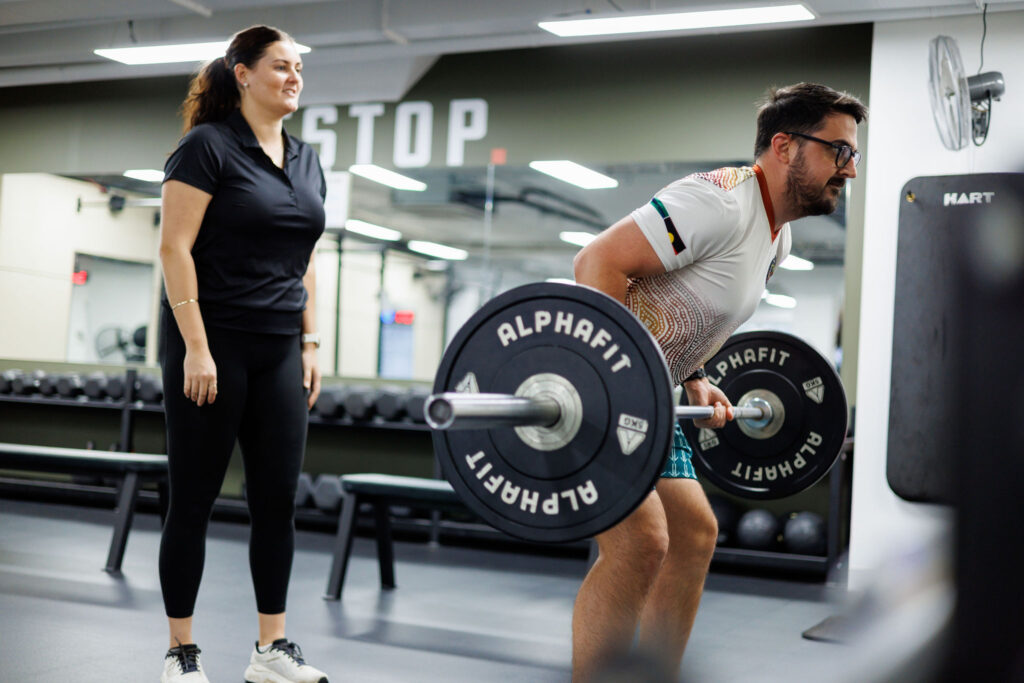
Well-structured resistance and impact training has been shown to be safe and effective even in people with low bone mass (Watson et al., 2018; Meigh et al., 2022). Safety comes from progression and supervision, not avoidance.
“There’s a shortcut or machine that builds bone”
There is no shortcut for bone health. Bone responds to load, recovery, time, and consistency. No device replaces progressive mechanical loading.
“You should avoid loading to protect bones”
Avoidance may feel safer in the short term, but long-term it reduces bone density and increases the likelihood of falls. Less load leads to less stimulus, which leads to weaker bone. The goal is not avoidance. It’s appropriate, progressive resistance, impact, and balance training.
If you are living with a chronic health condition or disability, consult your GP and an accredited exercise professional to ensure you’re exercising safely.
What actually works
If we bring it all together, the evidence is clear:
- Resistance training to load bone
- Impact loading to stimulate adaptation
- Balance training to reduce falls
These aren’t optional extras. They are the foundation of evidence-based bone health management.
Key takeaway
Bone health is built on progressive loading, applied consistently over time, combined with the ability to stay upright.
Because in many cases: if we don’t fall, we don’t fracture.
References
- Healthy Bones Australia. (2024). Exercise prescription to support the management of osteoporosis.
- RACGP. (2024). Osteoporosis management and fracture prevention in adults over 50.
- Brooke-Wavell, K., et al. (2021). Strong, steady and straight. British Journal of Sports Medicine.
- Beck, B. R., et al. (2017). ESSA position statement on osteoporosis. Journal of Science and Medicine in Sport.
- Giangregorio, L. M., et al. (2014). Too fit to fracture. Osteoporosis International.
- Meigh, N. J., et al. (2022). BELL pragmatic controlled trial. BMC Geriatrics.
- Watson, S. L., et al. (2018). LIFTMOR randomized controlled trial. Journal of Bone and Mineral Research.