

What is an Accredited Sports Scientist?
If you’re serious about sporting performance, whether for a school team, in amateur competition, semi-pro or elite sport — an Accredited Sports Scientist (ASpS) is someone who can help you train smarter, perform better and stay safer.
Sports scientists are university-qualified sports science professionals who work with athletes, coaches and teams using evidence-based methods to improve performance in all its dimensions: physical, psychological and social.
Home / What is an Accredited Sports Scientist
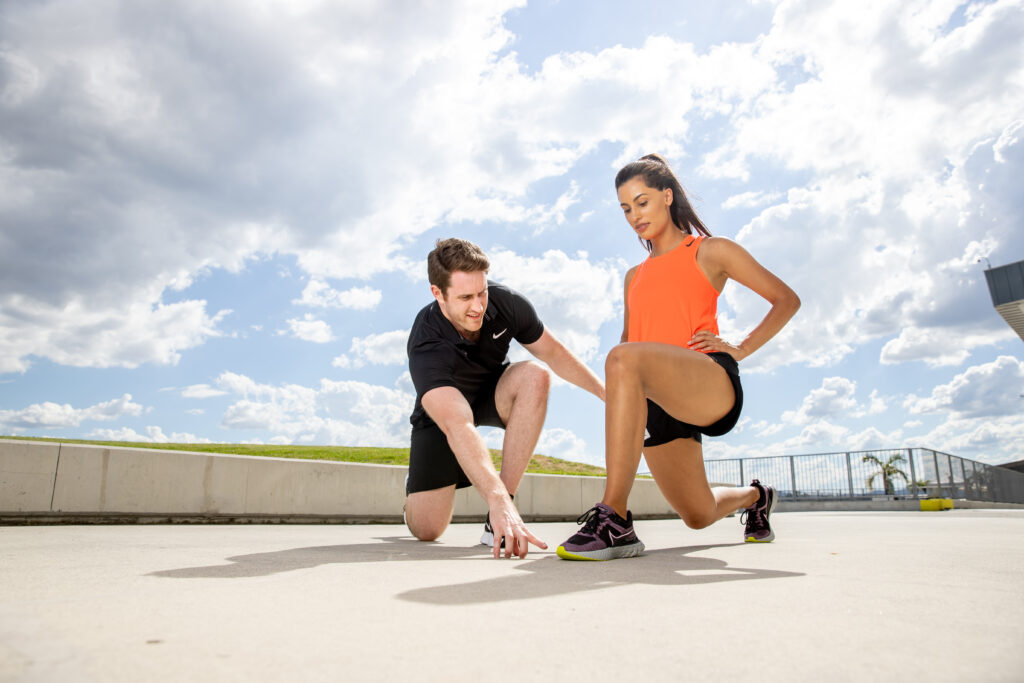
Enhancing sports performance
A sports scientist provides expert advice and support to help you understand and enhance your performance. They do more than collect metrics — they integrate scientific principles across areas like biomechanics, motor learning, physiology, psychology and training methodology.
This gives them a ‘whole-person’ view: considering how your body moves, adapts, recovers, how your mindset plays in, and how your training fits into your wider life.
Accredited Sports Scientists operate under a regulated scope of practice set by Exercise & Sports Science Australia (ESSA), and are bound by professional standards, ethical practice and ongoing development requirements. This means what they deliver is quality-assured and aligned with best practice.
Who benefits from an Accredited Sports Scientist?
You don’t need to be an elite athlete to make use of what a sports scientist offers. Their services are relevant for:
- Recreational and competitive athletes wanting to improve strength, technique, speed or endurance
- School, academy or club sports programs aiming to build safer, more effective training routines
- Para-athletes with specific performance or adaptation needs
- Individuals returning from injury, needing evidence-based rehabilitation and performance-safe training
- Coaches and support staff who seek collaboration on training plans, recovery, monitoring load and athlete wellbeing
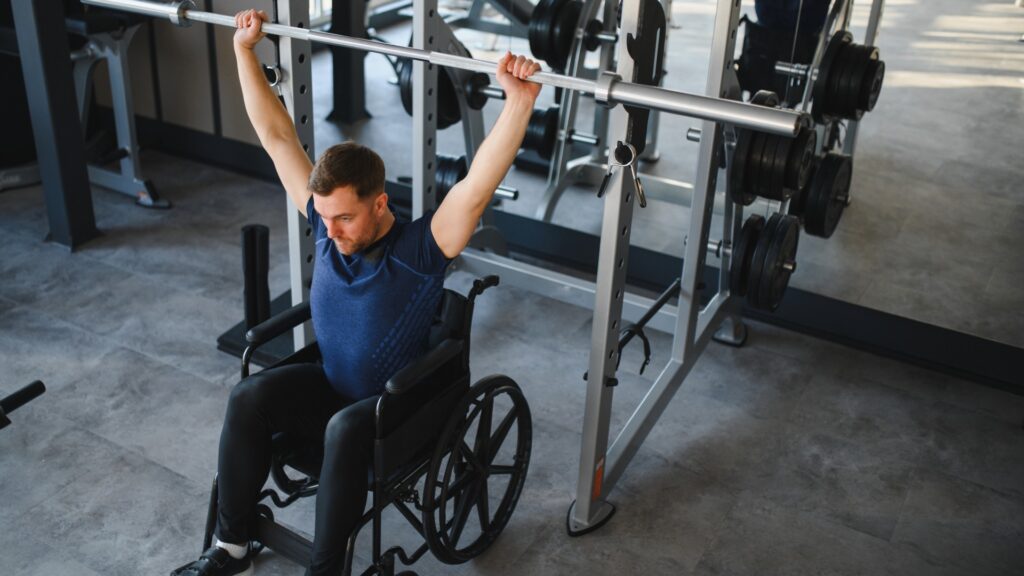

The advantage of working with an Accredited Sports Scientist
Working with a sports scientist brings several advantages:
- Safer training by designing programs that limit injury risk, properly manage load and plan for recovery.
- Performance tailored to your goals – they adjust training around your sport, season, and individual needs.
- Data-driven insights using metrics, monitoring tools and evidence-based assessment to track progress, avoid overtraining, and make smart adjustments.
- Holistic support for the body, recovery, mindset, technique, and coordination with coaches and other professionals.
The difference between a sports scientist and other exercise professionals
There are many professionals in the field of fitness, health and sport. Here’s how an Accredited Sports Scientist stands apart:
- Focus on performance outcomes – while exercise scientists focus more broadly on health, fitness and prevention, sports scientists specialise in sport performance — strength, speed, skill, recovery, and competition readiness.
- Deeper scientific integration – sports scientists cover more advanced work in physiology, biomechanics, psychology and motor control, then integrate these into training and monitoring protocols.
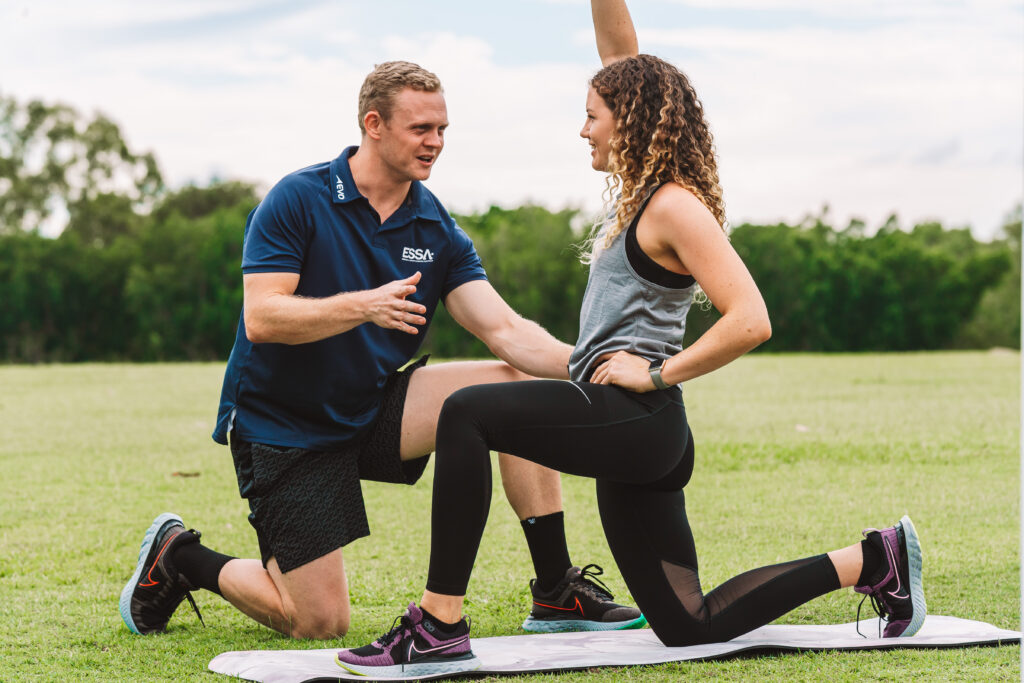
What to expect when working with a sports scientist
When you partner with a sports scientist, you might go through stages like:
- Assessment: evaluating your current performance, movement patterns, strength, endurance, psychological readiness.
- Planning: mapping out your training volume, recovery, skills work, season peaks.
- Monitoring: tracking metrics, fatigue, adaptation, injury risk.
- Adjustment: modifying training as needed based on data, feedback and performance.
- Support: in recovery, mindset, nutrition advice (when within scope), and coordination with coaches, physiotherapists or other experts if needed.
Frequently asked questions
What qualifications does an Accredited Sports Scientist have?
They hold a university degree and are accredited by ESSA, meeting strict professional and ethical standards.
Do I need to be an elite athlete to see an Accredited Sports Scientist?
Not at all. Community, school and recreational athletes can also benefit from expert advice.
How is a sports scientist different from an exercise scientist or exercise physiologist?
An Accredited Sports Scientist focuses on performance and sport-specific outcomes, while Accredited Exercise Scientists and Accredited Exercise Physiologists focus more on health, prevention and clinical care.
Can an Accredited Sports Scientist help with injury prevention and recovery?
Yes. They design training and monitoring programs that reduce injury risk and support safe return to play.
Where do Accredited Sports Scientists work?
Sports scientists can work in several environments including:
- Institutes or academies of sport and high performance centres
- Professional, semi-professional and state or local sports clubs
- Schools and university sports programs
- Sports medicine or performance labs
- Private practice (for performance coaching, talent development)
- Research and applied science roles tied with sporting organisations
Where do Accredited Exercise Scientists work?
You’ll find AESs in gyms, workplaces, community health centres, schools, private practice and more.
What does ‘accredited’ mean and why is it important?
Accredited means that a sports scientist has received formal recognition of their training, knowledge and expertise. Just like a doctor, they need to maintain their accreditation annually by completing continuing professional development. This ensures they stay up to date with the latest evidence and best practice and adhere to a set of professional standards. Accreditation is administered by the governing body; Exercise & Sports Science Australia (ESSA). You can check if your AEP is accredited by using ESSA’s verification tool.
I have a coach. Is that the same thing as a sports scientist?
There are a lot of “coaches” out there, and it can be hard to know who to trust. By working with an Accredited Sports Scientist, you can feel confident that they have suitable qualifications and are required to continually develop and update their knowledge and abide by a strict code of ethics.
You might be interested in

Snowboarding: How to get your body ready to shred
Snowboarding is a winter alpine sport that can be done either recreationally or competitively. It involves descending down a mountain covered in snow, with a board attached to a riders feet. It’s considered to be an “extreme sport” as it elicits a thrill response when part-taking. For anyone who has given it a go, you’ll […]

Training Considerations for Soccer (Football) Players
Soccer (or football) is widely accepted as one of the most popular sports in the world. Despite this, many amateur athletes and coaches get it wrong when it comes to training and preparation. Long gone are the days of players running as far as possible for as long as possible to get fit. However, often […]
Common Injuries Every Female AFL Player Should be Aware Of
Over 400,000 females now participate in AFL throughout Australia and as that exciting number begins to grow, we also need to be aware of how to prevent injuries as the game develops. Each female AFL player will be unique in their physical strengths and weaknesses, however according to Accredited Sports Scientist Ben Brugman, there are […]