


Early onset dementia (EOD or ‘younger onset dementia’) is any form of dementia that begins before the age of 65. People with EOD have similar symptoms to those who develop it later in life, including memory loss, confusion and difficulty with daily tasks. However, the impact can be different because they are often still working and raising children. Let’s have a look at how exercise can help those with EOD.
Unfortunately, there is no cure for EOD, although treatments and support are available. Staying physically and mentally healthy can help people with EOD maintain their independence and quality of life. Physical activity is key to good health, and assistance from an Accredited Exercise Physiologist (AEP) can help people with EOD keep moving in a way that works for them. Find your local AEP here.
Why is exercise important for people with early onset dementia?
Studies have shown that exercise has many benefits for brain health, including:
- improved cognitive (thinking) function and memory
- delayed brain ageing and degeneration
- a greater sense of wellbeing
Regular physical activity also supports good mental wellbeing. Being active can ease stress, boost your mood, and reduce symptoms of depression and anxiety.
But how can exercise help specifically with dementia? Firstly, some evidence suggests being active can lower your chances of developing it. A recent review and analysis of 58 studies found that physical activity was associated with a 20% lower dementia risk.
Dementia Australia notes that people who exercise regularly experience other benefits that can contribute to dementia prevention, including lower risk of heart disease, stroke, high blood pressure, diabetes, and obesity. They explain that regular aerobic activity (any activity that gets your heart pumping faster) for 30 minutes or more has been shown to promote cognitive health.
Recent studies have found that exercise may play a role in the prevention and treatment of Alzheimer’s disease (AD), and can improve cognitive function and daily living activities in people with mild AD.
These benefits seem to be related to the way exercise:
- boosts blood flow to the brain
- helps keep your heart and blood vessels healthy
- triggers a chemical that encourages nerve growth and health
So far, there hasn’t been extensive research into exercise specifically for EOD. However, one study found people with EOD who were less physically active were more likely to have disrupted patterns of daily rest and activity. This is important because disruption in these patterns is predictive for needing residential care. Additionally, a 2018 study found regular physical activity could slow cognitive decline in a rare type of early-onset Alzheimer’s disease.

What type of exercise is best?
For overall health, it’s best to include three types of exercise.
- Aerobic Exercise
Aerobic activities strengthen the heart, help keep your blood vessels healthy (including blood vessels in the brain), and release mood-enhancing hormones. Examples include swimming, cycling, walking, boxing, rowing, dancing and jogging.
- Resistance (Strength) Training
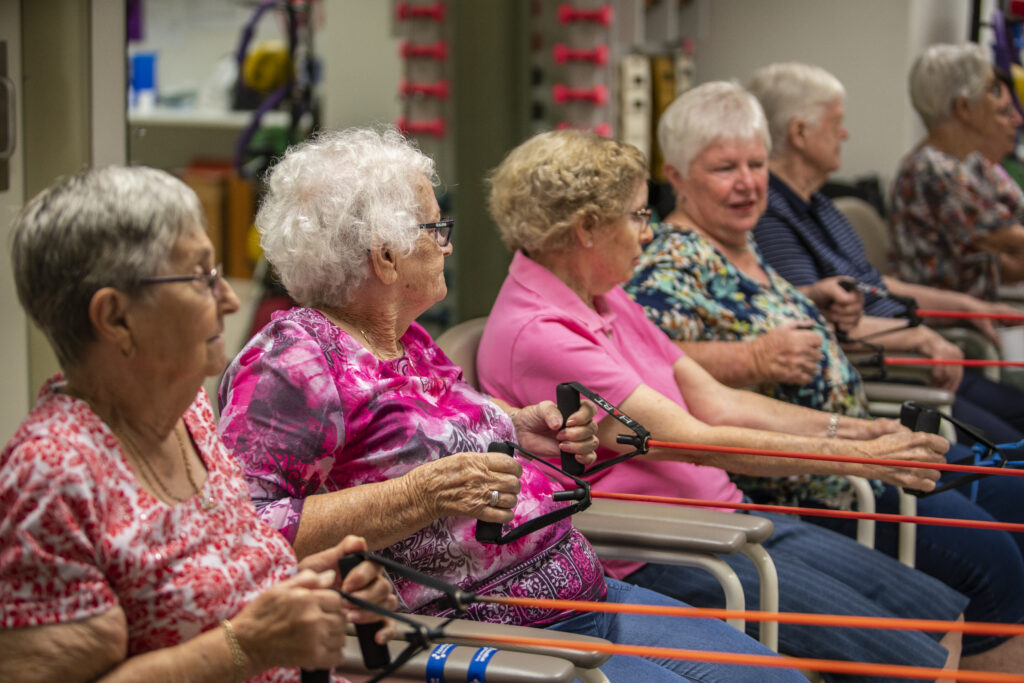
Strength training helps to maintain or improve strength in muscles, tendons and ligaments. It also supports bone health and boosts metabolic rates. This can help you stay healthy and lower your risk of falls, which can become an issue as dementia progresses. Examples of resistance training include exercises using resistance bands, weights, body weight, or weighted balls. You can also build strength doing heavier household tasks, such as digging in the garden.
- Balance and Flexibility Training
These help you stay mobile and steady on your feet, which becomes increasingly important as we get older. You can include stretching and balance activities as part of your aerobic or resistance training. Yoga, tai chi, and Pilates are also good options.
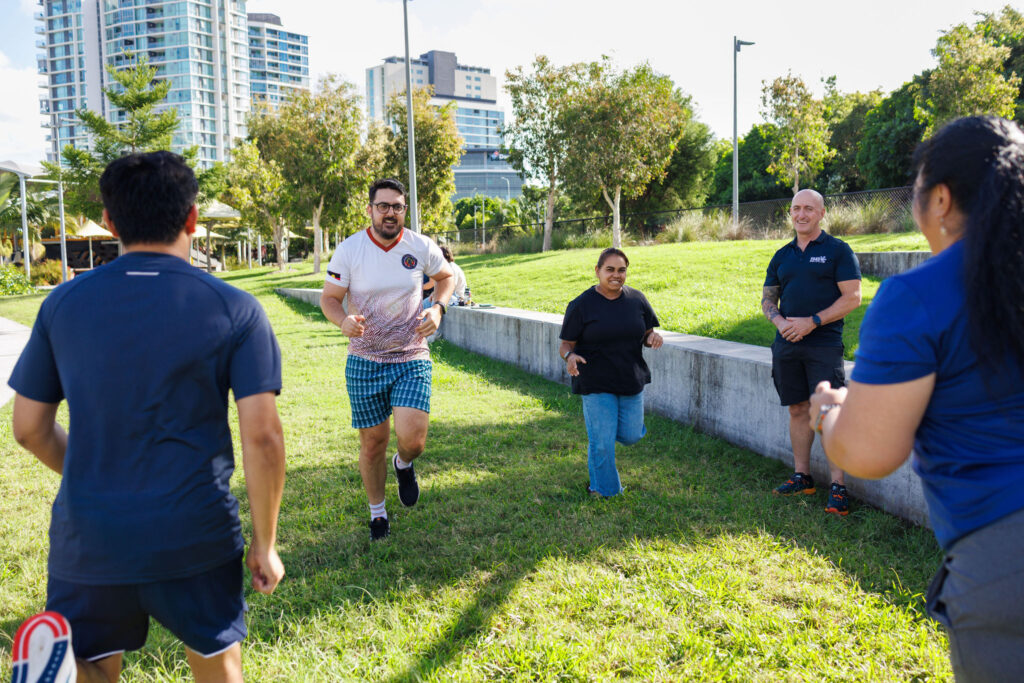
People with EOD should be encouraged to continue their usual sports or activities where possible. It can also be helpful to participate in group activities such as bowls, exercise classes or dancing to promote social and physical wellbeing, especially as we age.
How moch exercise should i do?
Any movement is better than none. If possible, people with EOD should aim to meet the Australian Government’s Physical Activity Guidelines. These guidelines recommend adults aim to be active on most days, including a weekly total of:
- 2.5 to 5 hours of moderately intense physical activity – such as fast walking, swimming or lawn mowing
- 1.25 to 2.5 hours of vigorous physical activity – such as fast cycling, jogging, or team sports
- a combination of both
- strength training on at least two days as part of the total
Guidance from an accredited exercise physiologist
If you or a loved one has been diagnosed with EOD, it’s wise to seek qualified advice before starting exercise. AEPs are university-qualified health professionals who prescribe exercise programs for people with disability and health conditions.
An AEP can tailor a program to suit your needs and circumstances, including your exercise history and preferences. This might include exercises to address specific concerns, such as stiffness or balance problems. They will also take other medical conditions you might have into consideration.
Movement and exercise should be fun, engaging, and simple to fit into your daily life. Your AEP will help you find activities you enjoy and update your program to suit your changing needs or goals.
Click here to find an Accredited Exercise Physiologist near you.
Written by Amanda Semaan and Kara Foscholo. Amanda and Kara are Accredited Exercise Physiologists and Co-Directors of Active Ability, whose mission is to support people with disability to achieve optimal independence, health and quality of life.