
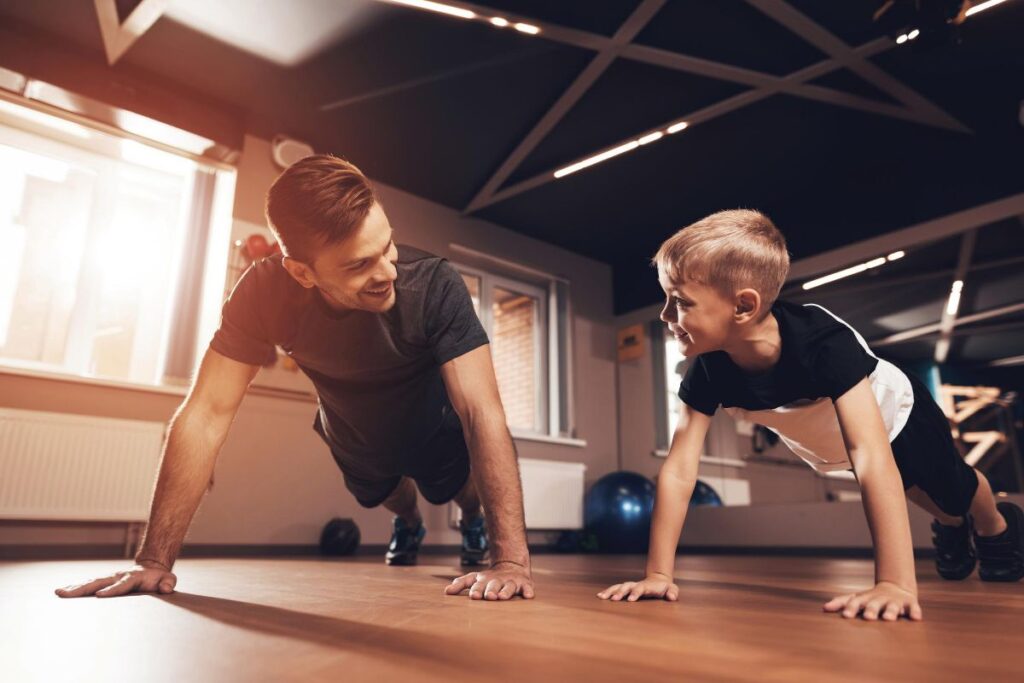


It is important to encourage children to embrace their disability and participate in as many physical activities as possible.
For children with physical and intellectual disabilities, exercise is safe, is important for quality of life, and is associated with a range of benefits.
Providing opportunities for social interaction and role models (such as Paralympians) assists in building self-confidence and encouragement to exercise.
What are the benefits of exercise?
Carefully supervised exercise can help any child with a disability in a number of ways including:
– Improved cognitive function and motor skills
– Improved cardiovascular health
– Stronger muscles and bones
– A reduction in the risk of chronic conditions (e.g., arthritis, osteoporosis, type 2 diabetes)
– Increased independence and helps to build self-confidence
– Better emotional and psychological health
Things to remember
– Specific characteristics associated with some disabilities are important to consider when facilitating safe exercise participation. These could include atlantoaxial instability and heart conditions in down syndrome, or pain and epilepsy in cerebral palsy. Seeking advice from exercise professionals may be important in these instances.
– Children with intellectual disabilities often engage with routine and structure. Try to follow a consistent routine of engaging in exercise (e.g., swimming every Tuesday after school).
– Utilise communication methods that work best with your child (e.g., routine boards, visuals, verbal encouragement). School teachers can also provide insightful communication strategies to engage ‘unwilling’ participants.
Parents and guardians
There are opportunities to participate in both inclusive and adapted physical activities. Ensure that your child has the opportunity to engage in sports/activities that are appropriate for your child’s ability. The type of exercise doesn’t always matter, as long as the child is participating in regular physical activity.
Ask the professionals
Every child comes with individual traits and abilities, hence the importance for children to exercise right for who they are.
Accredited Exercise Physiologists are qualified to understand the complexities around working with children living with a disability. They will work with doctors and other allied health professionals to ensure your child’s safety and well-being. They also have the skills and knowledge to prescribe effective exercise interventions that are individualised to your child’s specific needs.
Sports Ability provides inclusive activity cards designed to assist the delivery of sports-based activities that cater for all levels of ability
Read more in the Exercise for Kids eBook! Download here.

Content provided by Exercise Right for Kids.