


According to Heart Foundation 14% of Australians aged over 15 smoke daily. That’s more than 2.5 million people, with a further 200,000 smoking irregularly.
Smoking is a leading risk factor for chronic disease and death, including many types of cancer, respiratory disease and heart disease. So, can you really use exercise to quit smoking? Let’s find out!
What are Habits?
“First we make our habits, then our habits make us” – John Dryden
Habits are defined as a regular tendency or practice that is difficult to stop. In a nut shell, habits are what we do every day. Habit can be both healthy and unhealthy. Regular exercise is a habit that your body will thank you for it, whereas unhealthy habits, like smoking, cause harm to your health and well-being.
Breaking the Habit
Step One – Start Exercising
Firstly, exercise promotes happiness which can assist with mood swings from cravings. Studies have also indicated that exercise literally reduces an individual’s cravings for a cigarette.
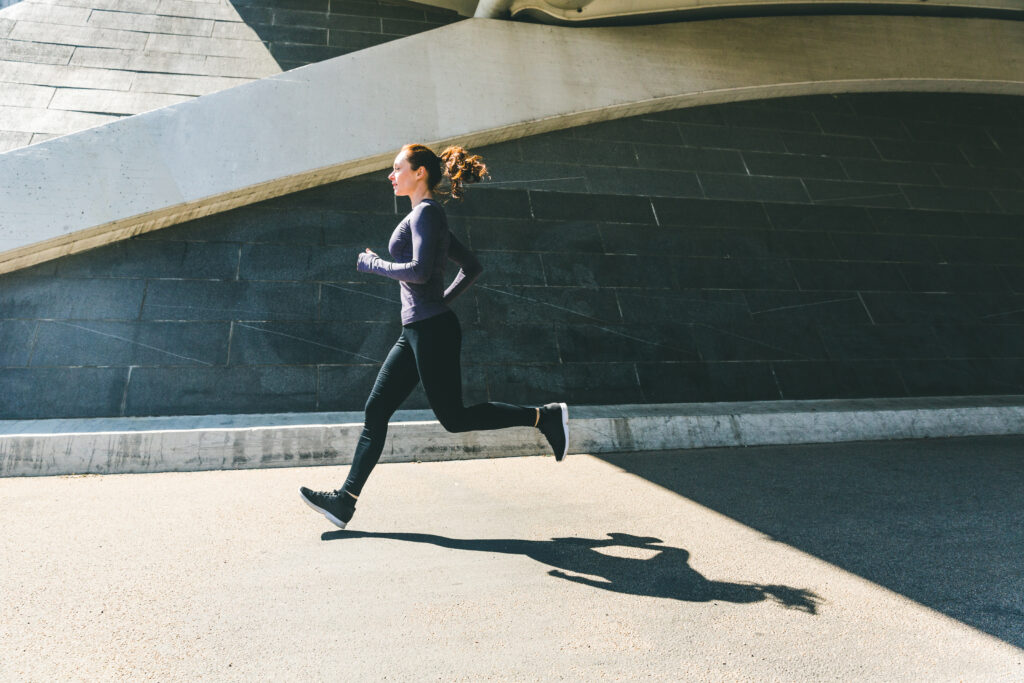
Better yet, exercise can act as a cleaning mechanism for your lungs. Physical activity has been shown to remove carbon monoxide (and various other toxins caused by cigarettes) from the lungs. Take your first step to quitting by taking a walk or going for a light jog. The key is to do exercise that makes you huff and puff, and to do it regularly.
Step two – replace the reward
Once you’ve started exercising, your cravings should be less severe and your lungs a little cleaner. Now, it’s time to reduce your cigarette intake.
Start focusing on the REWARD for each habit. Naturally, we tend to perform activities that give us instant satisfaction. For example, exercise boosts your mood – which can act as a “reward” for movement. With smoking, the reward varies from the nicotine hit to the “relaxed” feeling you get after a cigarette. To help you quit smoking, it’s important to find a different way to get this “reward”. Try using nicotine patches for that “hit” and find other avenues to help you feel more relaxed. Some options include yoga, meditation, or just going for a walk outside.
Need some Help?
If you’re not sure how to get started when it comes to exercise, ask for help! Chat to your GP or an Accredited Exercise Physiologist about how you can start moving safely. It’s especially important to get advice from an expert if you’re new to exercise or are living with a chronic condition.
To find an Accredited Exercise Physiologist (AEP) near you, click here.

References:
Shilpa Dogra, Joshua Good, Matthew P. Buman, Paul A. Gardiner, Michael K. Stickland, Jennifer L. Copeland. (2018) Movement behaviours are associated with lung function in middle-aged and older adults: a cross-sectional analysis of the Canadian longitudinal study on aging. BMC Public Health18:1. Online publication date: 3-Jul-2018.