


For so many women, exercise has become a form of punishment. It’s all about weight loss or changing your appearance. This can not only create a negative relationship between you and movement, but it can be detrimental to your self-confidence and mental health.
We want to change the dialog around exercise in women. It should be a celebration of what your body can do, not just a way to lose weight.
Aussie women should focus less on weight loss
A recent survey found that 60% of Australians are currently trying to lose weight. For many people, it’s their main motivation to exercise. And while weight loss in itself isn’t necessarily a bad thing, it’s not a great motivator for exercise.
Setting goals for weight loss can put an unrealistic and potentially unhealthy motive on exercise. A lot of the time, when people use weight loss as motivation, it’s in the form of punishment.
They feel as though they need to “burn off” lunch or “earn” dessert. They put themselves through hours in the gym or a gruelling HIIT workout that they don’t enjoy. This leads to burnout, unsustainability, and potentially compulsive exercise or a disordered relationship with exercise.
So how else can you get motivated to exercise?
Think about your mental health instead
Exercise is one of the most powerful ways to boost your mental health.
It triggers the release of endorphins (the happy hormones!) supporting your brain in reducing stress and anxiety, as well as protecting against depression. Exercise also decreases inflammation, and evidence suggests that inflammatory conditions contribute to mood disorders and poor mental health.
Being physically active also improves your sleep quality, which also plays a huge role in mental health. Sleep deprivation makes us more sensitive to stressful stimuli and events and is strongly linked to the ability to cope with emotional stress in daily life. Exercise increases the amount of slow wave sleep (deep sleep) where the brain and body revitalize.
For those living with mental health conditions, exercise can be an important part of your managing plan. Exercise combined with medications significantly improves clinical global outcomes in depression. PTSD & schizophrenic sufferers also report reductions in severity of symptoms when they’re physically active.

So how much exercise do you need to improve mental health?
Optimal amounts of exercise for mental health benefits are similar to the “healthy population” guidelines: aim for 150mins of moderate-vigorous exercise throughout the week.
Aerobic exercises are thought to be the best due to an increase in blood flow to the brain and the influence on the hypothalamic-pituitary-adrenal (HPA) axis, and therefore, on the physiological response to stress. Aerobic exercises include walking, running, yoga, tai chi, swimming, cycling, dancing and martial arts.
It’s important to note that resistance training is also linked to improved mental health outcomes. You should aim to do muscle strengthening exercises at least twice a week.
Some research has shown that participation in team sports has the greatest correlation with good mental health. Team sports often provide a sense of community and connection that we know is so vital for our mood and mental well-being.
Whatever exercise you do, the most important thing is to find something you enjoy. Moving your body should be fun and make you feel good.
Tips for staying motivated
Often, staying motivated is the hardest part. We’re all great when we kick off a new exercise regime, but as the weeks tick by we lose our motivation. Here are some ways to stay on track long term:
- Start slowly with something you enjoy
- Set reasonable and sustainable expectations
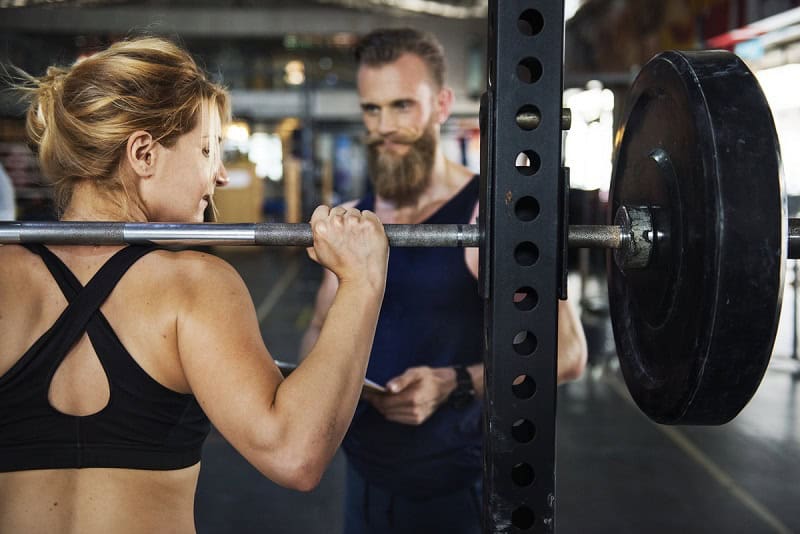
- Exercise with a partner, in a class, or supervised to establish routine, support, and accountability
- Exercise outdoors or in a calming environment
- Put exercise into your weekly routine as non-negotiable time for yourself
- Take note of how it makes you feel before, during, and after, then modify accordingly
Last but not least, don’t forget to ask for help if you need it.
Need some advice?
If you’re not sure where to start or you’re living with an injury, illness or mental health condition, it’s best to get some expert advice before getting started. An Accredited Exercise Physiologist (AEP) can help you to move safely to help you reach your goals.
To find an AEP near you, click here.
Written by Kiara Roscio. Kiara is an Accredited Exercise Physiologist at Seed Exercise Physiology.