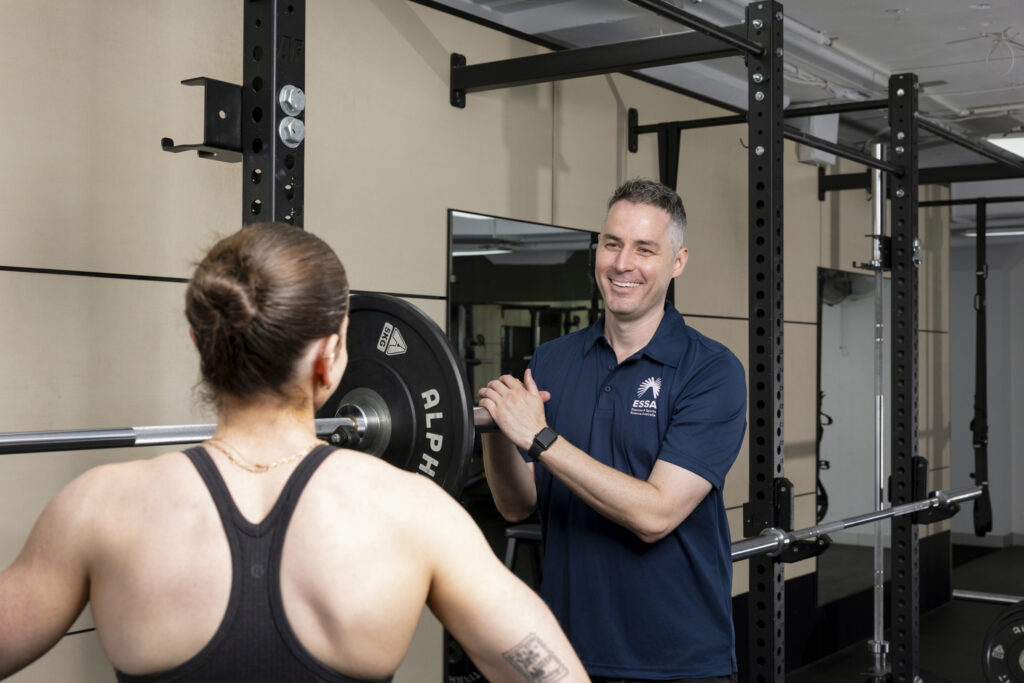



Every four minutes an Australian is diagnosed with cancer. We all know what cancer is… Chances are that this disease has affected you or someone you love. But did you know that exercise can play an important role in cancer care?
The way we approach cancer care is changing. An extensive and growing body of scientific research has established that exercise is a particularly potent medicine for the management of cancer.
Education is key
To help educate the Australian public as to the benefits of physical activity in cancer care, Exercise & Sports Science Australia (ESSA) is proud to announce the launch of its latest free eBook, “Exercise & Cancer”.
“This eBook aims to highlight the importance of exercise in cancer prevention and treatment, as well as to draw focus to the critical role of Accredited Exercise Physiologists in this space,” says ESSA CEO, Anita Hobson-Powell.
“In 2009, ESSA published the first ever position statement in the world on exercise guidelines for people with cancer. Since then, there has been exponential growth in research evaluating the role of exercise pre-, during and post-cancer treatment.”
Download the eBook: CLICK HERE
Cancer in Australia
1 in 2 Australians are diagnosed with cancer by the age of 85. That means there’s over 1 million people alive in Australia who are either living with or have had or been previously diagnosed with cancer. For these people, exercise can help to improve quality of life during and after treatment.
“Science suggests that exercise is one of the best medicines people with cancer can take in addition to their cancer treatments. That’s because people who exercise regularly following a cancer diagnosis experience fewer and less severe side effects,” says Associate Prof. Prue Cormie, an Accredited Exercise Physiologist who specialises in oncology.
Download the eBook: CLICK HERE
Emerging research also suggests that exercise may help lower the relative risk of a cancer recurrence and cancer-related death for people diagnosed with some cancers.
Getting the right advice…
The eBook, which launched this week, highlights current exercise guidelines for a range of different cancers. It aims to educate those living with cancer as to how physical activity can help them on their journey through treatment and recovery.
It also showcases real stories from everyday Australians, like Angela, who found exercise critical during her cancer recovery. Angela explains that her “cancer diagnosis has been life-changing, but not all in a bad way.” She knows now that looking after herself physically, mentally and emotionally through regular exercise has significantly improved the quality of her life and her relationships.
Click here to download the eBook for FREE! Feel free to share it with family, friends and colleagues… Together, we can help to make exercise a part of standard cancer care.