



This article was contributed and written by Accredited Exercise Physiologist, Akshita Goel.
Hack your pain with tiny movement doses
Feeling trapped by chronic pain? You’re not alone. But what if relief came from bite-sized bursts of movement, not hours at the gym?
Physical activity is essential for human health, and it can also be a powerful tool to help manage pain. Find out more about how exercise helps manage chronic pain here.
Imagine tiny, manageable actions making a world of difference. In this article, we’re looking at micro-movements, the “exercise snacks” that pack a big pain-relief punch!
Chronic pain and hitting the gym don’t always go neatly hand-in-hand. Between work, family, and busy lifestyles, lengthy workouts can feel impossible.
So, what if there was another, more manageable approach to fitness for those living with chronic pain?
What are ‘micro-workouts’ or ‘exercise snacks’?
Exercise snacks, a concept born from research, are redefining how we integrate physical activity into our daily routines. These brief, vigorous bursts of exercise, last no more than a minute and are strategically scattered throughout the day to break up sedentary periods.
Studies highlight their effectiveness in boosting cardiorespiratory fitness (CRF) and metabolic health, making them a powerful tool against the harmful effects of prolonged sitting.
If you’re dealing with pain, aches, or little niggles, these tiny movements can be your lifesaver. They help prevent flare-ups and keep you more compliant with your routine. Even if you’re pain-free, exercise snacks can be very beneficial for your overall health and fitness.
Low levels of exercise and weak cardiovascular (heart and lung) health are major risk factors for heart disease. But the good news is, these micro-movements can help prevent that. Plus, doing them regularly makes you more likely to stick with an exercise routine in the long run. So, whether you’re managing pain or just wanting to stay healthy, integrating these simple exercises into your daily routine can significantly boost your overall well-being!

The science: why it works
We all know that having a sedentary lifestyle for long periods is bad for your health, linked to a higher risk of chronic diseases like heart disease, type 2 diabetes, and even some cancers. But even short bursts of activity can counteract these negative effects.
Physiologically speaking, one key area positively impacted by short bursts of exercise is energy metabolism. Research has shown that our bodies are designed for movement, and prolonged inactivity disrupts how we process energy.
This can lead to issues like high blood sugar and insulin resistance, both risk factors for type 2 diabetes. Studies demonstrate that even brief, intense exercise snacks can significantly improve how your muscles utilize glucose (blood sugar). This translates to better blood sugar control, potentially reducing the risk of diabetes and helping manage metabolic disorders.
Another benefit of exercise snacks is their impact on fat metabolism. Studies suggests that short, high-intensity activities like those in exercise snacks can increase fat burning even the following day. This “exercise response” helps your body utilize fat for energy more efficiently. Notably, these studies found that breaking up sedentary time with short bursts of activity was just as effective as accumulating a longer exercise session in overcoming this “exercise resistance” and promoting fat burning.
Improved blood flow is another key area positively impacted by short bursts of exercise. Prolonged sitting is linked to reduced blood flow, particularly in the legs. Evidence suggests that exercise snacks, such as daily stair climbing, can significantly increase blood flow velocity. This enhancement improves oxygen delivery to your muscles and contributes to better cardiovascular health.
How to incorporate exercise snacks into your day
Some actionable ideas to increase your daily movement and help reduce your pain:
- Opt for the stairs instead of the elevator.
- Do squats or calf raises while brushing your teeth.
- Fit in some jumping jacks during the TV commercial break.
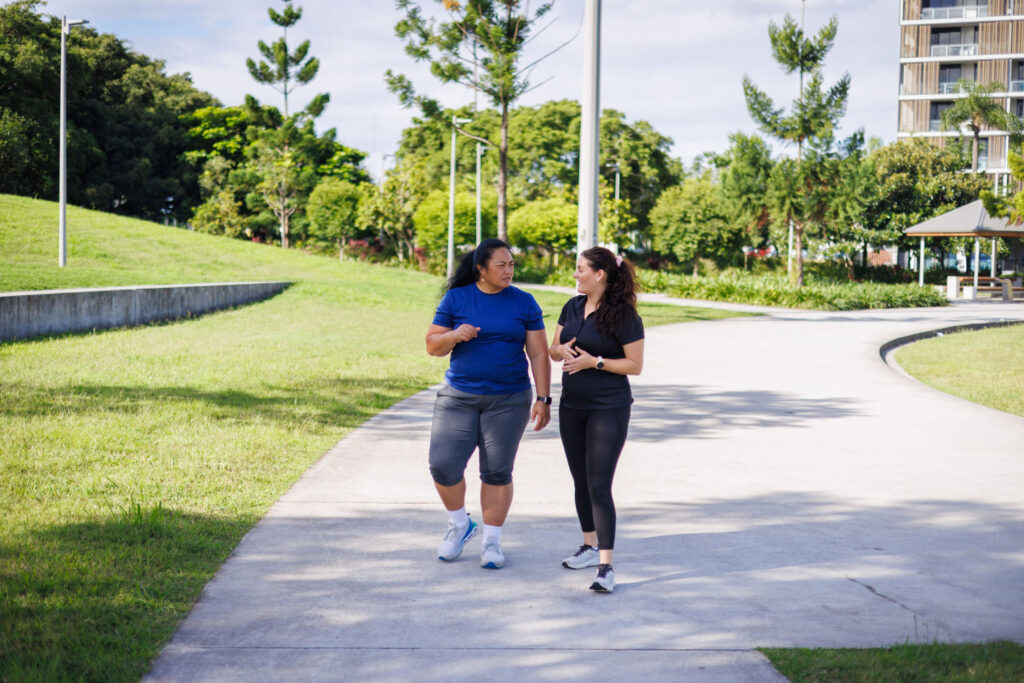
- Take a walk around the block during your lunch break.
- Set daily reminders to stretch.
- Where possible, walk during a phone call rather than sitting.
These brief bursts of activity can accumulate into substantial health improvements over time, enhancing both your physical wellbeing, mental health and productivity throughout the day.

How to stay consistent with exercise snacks
Start small, build strong: Set achievable goals and gradually increase intensity/duration as you become consistent.
Find your fun: Choose activities you enjoy, like dancing, yoga, or brisk walks. Track your progress to stay motivated.
Buddy up: Share your goals with a friend or family member for support and encouragement.
Variety is key: Rotate exercises throughout the week to stay interested and target different muscles.
Trigger your movement: Associate exercise snacks with daily routines (squats while brushing teeth, stretches during commercials).
Celebrate success: Reward yourself for reaching goals or completing a month of consistency.
Who to turn to for exercise help
Whether you’re living with chronic pain or not, Accredited Exercise Physiologists (AEPs) are your partners in health, exercise and pain relief. AEPs craft personalized exercise programs that target your goals and needs, and ensure you perform the exercises safely and effectively for maximum results.
Chronic pain doesn’t have to be a life sentence. Take control of your well-being and start hacking your chronic pain today by connecting with your local Accredited Exercise Physiologist today.
Written by Akshita Goel, Accredited Exercise Scientist (AES).