
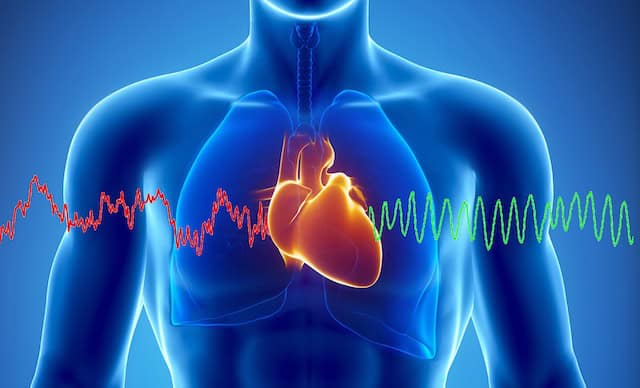


Cardiovascular Disease (CVD) is the leading cause of death in Australia, killing one Australian every 12 minutes. It affects 4.2 million Aussies and accounted for nearly 30% (43,477) of all deaths in 2017.
How does exercise help?
Exercise is vital in the prevention of CVD and improving heart health. Not only will it prevent several risk factors associated with the disease, but it will also strengthen the cardiovascular system and prevent your risk of a range of other chronic diseases.
There is a clear relationship between exercise and the risk of Coronary Heart Disease (CHD). Plus, it only takes a SMALL amount of exercise to make a BIG difference. For example one study demonstrated that:
- Running for one hour or more each week reduced risk by 42%
- 30 minutes or more of resistance exercise per week reduced risk by 23%
- 1 hour or more of rowing and 30 minutes of brisk walking were both was associated with an 18% reduction.
Exercise also plays an integral role in cardiac rehabilitation. It results in reduced mortality, greater reductions in total cholesterol and triglyceride levels and reduced systolic blood pressure. Being active in your rehabilitation post a cardiac event is vital in preventing a re-lapse and promoting longevity and quality of life.

How much & what types of exercise?
The exercise guidelines to prevent CVD and maintain good health are:
- Conduct a minimum of 2.5 – 5 hours of physical activity each week.
- Work between low (55-70 % Maximal Heart Rate) and higher (>70 % Maximal Heart Rate) intensities.
- Be active on most days of the week.
- Include resistance exercise, flexibility and balance components for a holistic approach.
- Incorporate group exercise (exercise groups, Yoga, Pilates, team sports) to take advantage of the psychological benefits (reduced anxiety, mindfulness, social interaction).
- Use an exercise diary or buddy up with a friend to keep you accountable.
- See an Exercise Physiologist to set your program.
- Make exercise fun, exciting and adventurous; i.e. exercise outdoors, go indoor rock-climbing, conduct hikes, swim in the ocean, challenge yourself!
Have a heart condition? Want to start moving more?
Chat to your local Accredited Exercise Physiologist about your heart health. They will work with your cardiologist, general practitioner, and pharmacist to achieved results. Additionally, they will use exercise to reduce the risk of any further cardiac complications.

References
1. Australian Bureau of Statistics [Internet]. Australia: Australian Government; 2016. Causes of Death, Australia, 2016. Available from: http://abs.gov.au/ausstats/abs@.nsf/Lookup/by%20Subject/3303.0~2016~Main%20Features~Australia’s%20leading%20causes%20of%20death,%202016~3
2. Heart Foundation [Internet]. Australia: Australian Government; 2018. Heart Disease in Australia. Available from: https://www.heartfoundation.org.au/about-us/what-we-do/heart-disease-in-australia
3. NPS MEDICINEWISE [Internet]. Australia: Australian Government; 2017. Top 10 drugs 2016-17. Available from: https://www.nps.org.au/australian-prescriber/articles/top-10-drugs-2016-17
4. Tanasescu M, Leitzmann MF, Rimm EB, Willett WC, Stampfer MJ, Hu FB. Exercise Type and Intensity in Relation to Coronary Heart Disease in Men. JAMA. 2002;288(16):1994–2000.
5. Adseet J, Mullins R. Evidence based guidelines for exercise and chronic heart disease. Queensland government. 2008: 4-21
6. K. Arakawa. Hypertension and Exercise. Journal of Clinical and Experimental Hypertension. 1993. 15:6, 1171-1179.
7. Taylor R, Brown A, Ebrahim S, Jolliffe J, Noorani H, Rees K et al. Exercise-based rehabilitation for patients with coronary heart disease: systematic review and meta-analysis of randomised controlled trials. The American Journal of Medicine. 2004; 116 (10): 682-692