

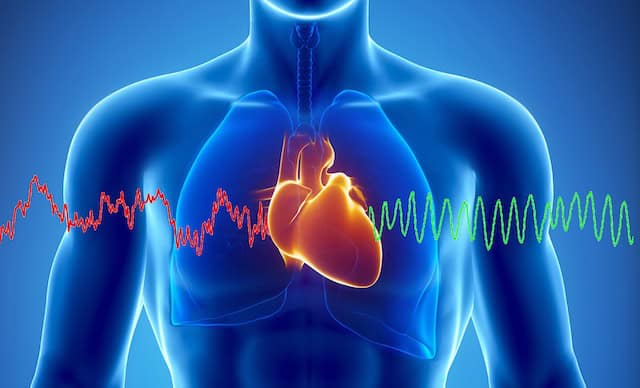


Our heart works hard for us, beating up to 100,000 times each day. But do you know what your heart rate should be and how exercise affects it?
What’s a “normal” heart rate?
Heart rate (HR) can vary greatly from person to person. For most people, resting HR should be between 60 and 100 beats per minute (bpm). This can be influence by a range of factors, including age, medication and exercise. Elite endurance athletes generally have a slower HR, as they have more blood being pumped out per contraction. In contrast, respiratory conditions or long-term smoking can influence the body’s ability to oxygenate blood, resulting in a higher resting HR.
A normal resting HR for adults is between 65 – 85 bpm.
What affects heart rate?
Smoking, exercise, diet, caffeine, respiratory conditions, age, recreational drugs, alcohol and stress can all affect HR. Certain types of medication can also have an impact. Beta Blockers are a common group of medications prescribed to people with Cardiovascular Disease. These types of medication stop HR from rising as much as normal during exercise.

What should my heart rate be during exercise?
Exercise is a great way to keep your heart happy and healthy. Your HR during exercise depends on the intensity of the activity. For adults, moderate intensity exercise is about 50%-65% of your age predicted HR max. High intensity exercise is 65-85% of your maximum HR. Your maximum age predicted HR is calculated as follows:
Age predicted HR max = 220 – age
For example, if you’re 40 years old, your maximum HR would be approximately 180 (220 – 40).
The Heart Foundation recommends we all get 150 minutes of moderate to vigorous intensity exercise each week. That said, the exercise intensity you should aim for is dependent on who you are, your goals, and any medical conditions you may have.
If you have any concerns about your heart and exercising, speak to an Accredited Exercise Physiologist before commencing an exercise program. To find an Exercise Physiologist near you, click here.