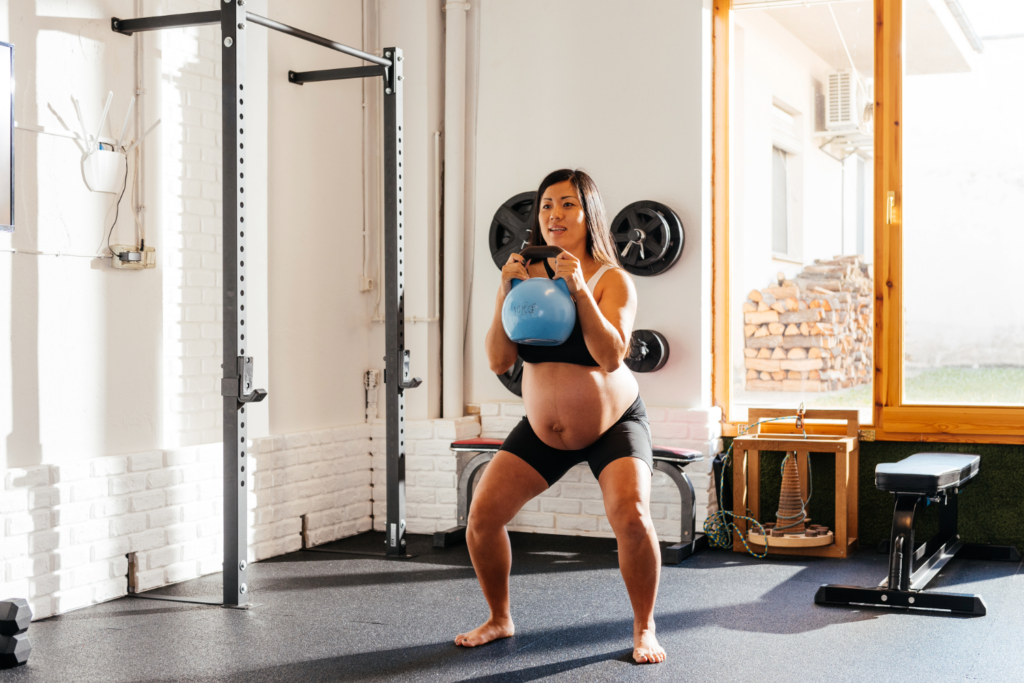




Are you struggling with side effects such as fatigue, joint pain, lymphoedema, changes in body composition, or wondering what you can do to help feel like yourself posttreatment and reduce your risk of breast cancer coming back? The good news: exercise can help with all of those.
Traditionally, people living with breast cancer have been told to rest, but current research suggests otherwise. Exercise can help manage and improve a whole host of side effects and even reduce the risk of your cancer coming back. It has been linked with better treatment outcomes, better surgical recovery, and reduces side effects like fatigue and joint pain. Let’s look at the evidence about exercise and how an Accredited Exercise Physiologist (AEP) can help you move well throughout your treatment and recovery.
Exercise during chemotherapy
It is common to worry that exercise is too much during chemotherapy.
As exercise professionals, it is normal for most of our clients undergoing chemotherapy to think that exercise might be too much for them but it is our job to make sure we find a program that meets you exactly where you are at that considers your symptoms and preferences.
Supervised exercise programs combining both cardiovascular training (things like running, walking, swimming) and strength-based training (pilates, bands, dumbbells, gym machines) have been shown as safe and beneficial during treatment.
In one study which included 301 women who trained three times a week while undergoing chemotherapy for their breast cancer not only were they able to complete this they improved their strength, fitness, ability to complete activities of daily living, pain, and menopausal symptoms. Other side effects shown to improve with exercise during chemotherapy include sleep, quality of life, mental wellbeing, body composition, nausea and vomiting, and fatigue.
It has also been shown that people with breast cancer that have higher fitness and strength are more likely to complete their chemotherapy.
It is also important to consider what type of exercise you do, a study of 230 people with breast cancer saw improvements in fitness, physical function, nausea and vomiting, pain, and strength along with a smaller percentage of patients needed to alter their chemotherapy doses in those who did a moderate-high intensity combined aerobic and resistance training intervention compared to a low intensity home based intervention.
Tips for exercising during chemotherapy
- Start small – as little as 10-minutes can make a difference and this can be as simple as dancing to three of your favourite songs
- Time movement for the morning when fatigue levels are often lower
- Seek guidance from an exercise physiologist specialising in cancer to help design a program around you and your symptoms that understands your cancer, treatments and side effects
- Try a group class to help keep you accountable and build connections
- Grab some equipment for at home like bands or light dumbbells so if you’re immunocompromised or fatigue is high you don’t have to leave the house. Your exercise physiologist can help write this for you.
Exercise and fatigue
Fatigue is one of the most common side effects of cancer treatments like chemotherapy and radiation, and it does not always ease with rest. A review of 113 studies was completed, and the findings showed that more than 11,500 people with cancer found that exercise reduced fatigue during and after treatment. Medication did not provide the same level of improvement. It was concluded that exercise should be first-line treatment for cancer-related fatigue.
Joint pain from hormone therapy
Many women with hormone receptor positive breast cancer are prescribed aromatase inhibitors,a type of hormone therapy. One of the main side effects of this medication is joint pain and stiffness, and for some people this is enough to make them cease the medication.
A year-long randomised-control trial of 121 women involved 150 minutes of moderate aerobic exercise and 2 supervised strength sessions each week. Those that were put into the exercise group noticed a 29% reduction in their most debilitating pain. Women who received normal care (no exercise) saw little change in their pain levels.
Tip: Include strength-based training some research shows this has superior benefits at improving pain then just cardiovascular training alone
Lymphoedema: lifting is not the enemy
For years, women were told to avoid lifting anything heavy after breast surgery. The worry was lymphoedema, a build-up of fluid that causes swelling in the arm or hand. Trials have since challenged that advice.
A recent systematic review of the evidence showed that those who engage in targeted mobility, aerobic and strength training reduce the risk of developing lymphoedema and lymphoedema symptoms if it was present by 30% and in those at high risk of lymphoedema (>5 lymph nodes removed) there was a 50% reduction.
Tips:
- Start early after surgery
- Combine mobility with strength training.
- Small daily habits
Exercise and recurrence risk
Research also links staying active after diagnosis with living longer. Physical activity after a breast cancer diagnosis has been shown to reduce the risk of breast cancer recurrence by 28% and the risk of death by 38%. This same review of observational studies demonstrated that as physical activity increases per week there is a ~15% greater reduction in recurrence and mortality risk.
What this means? That something is always better than nothing, so do what you can manage, but the more you can do the greater your risk-reduction.
Exercise is able to improve immune function, reduce inflammation, improve metabolic factors, reduce fat mass and increases in lean mass. Evidence also suggests that exercise that gets you a little breathless (try the talk test) is best for reducing risk of recurrence.
What do the guidelines recommend?
The Clinical Oncology Society of Australia describe exercise as a safe and effective and recommend for it to be a part of standard practice in cancer care. It recommends people living with cancer to avoid inactivity and to progress towards at least 150 minutes of moderate aerobic exercise alongside 2-3 strength sessions a week. You may be thinking, what is moderate intensity? When exercising, you should be able to hold a conversation but not sing along to a song. For some, that may feel really unachievable at the moment and that is okay! We use this as a goal to work towards, not your starting point. On a tougher treatment week, even as little as 10 minutes a day can still provide benefits. Every little bit of movement counts.
COSA also recommends getting a referral to an AEP or a physiotherapist that has cancer experience to ensure you get a tailored program for you and your fitness levels.
How to get started
- Expect good days and harder days. An Accredited Exercise Physiologist can alter exercise sessions around treatment cycles and side effects, including building in easier weeks during chemotherapy or periods when symptoms are more challenging and teach you how to do the same.
- Start with smaller, more manageable goals so you can build confidence and momentum.
- Build up slowly – it is not expected for you to hit the exercise guidelines if you don’t have a current exercise routine, use it as a guide to progress towards.
- Make it a social– a Pilates class and coffee afterwards with a friend makes it easier to get out of bed and holds you accountable! Or join a group class to make some new connections.
- Find an activity you actually enjoy doing, whether it is swimming, dancing, strength classes, things are always easier when they are fun!
- Get a personalised exercise plan based on your treatments, side effects and individual concerns from an Accredited Exercise Physiologist with experience in cancer care.
- Speak to your GP about accessing a Medicare referral to receive a subsidy for your exercise sessions or investigate your private health coverage.
This article was written by Ms Amy Barnes and Dr Morgan Farley, Accredited Exercise Physiologist and founder of Valere Health, a Brisbane exercise oncology clinic. Morgan has a PhD in exercise oncology.