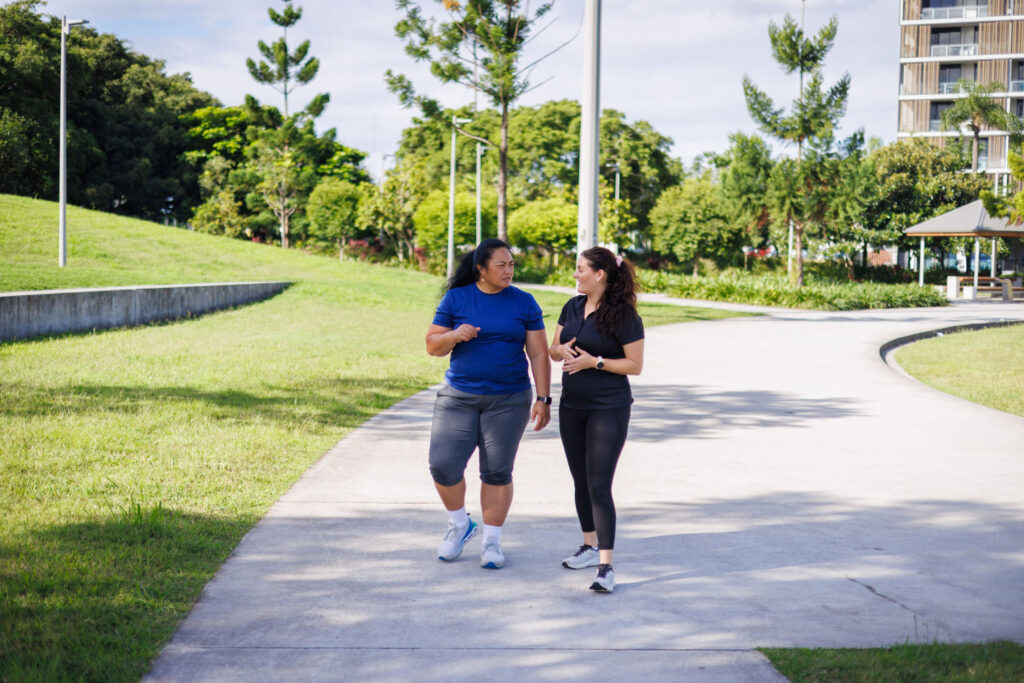



Exercise can benefit new mothers in many ways. It can improve mental wellbeing and reduce stress, increase energy levels, increase fitness and strength, improve the ability to complete daily tasks, and improving bone density. But as any new mum will know, being active can be a challenge. Those that are able and choose to breastfeeding can often have questions and concerns when returning to exercise postpartum.
Exercising and maintaining breastfeeding is definitely achievable, and here are some tips below to help navigate this journey:
Support
To support you as you return to exercise, a good quality, correctly fitted sports bra is a must – especially as you progress through to more high impact exercise or running. This is a period of fluctuations in breast size and shape, and it is often advised to wait until 6 weeks following birth to get fitted so your milk supply is more regulated. There are many more sport options available to nursing mums now, with some wire free options offering great support.
Feeding or expressing prior to working out can make exercise more comfortable, as can avoiding exercises with front on pressure, such as incline bench rows or laying on your stomach.
Fuelling your body
Adequate hydration and nutrition are essential during breastfeeding, and even more so when you begin exercising again. It is a time to nourish your body with the fuel it needs rather than starting a “post baby bod” diet. With appropriate nutrition and water intake, moderate to vigorous exercise does not affect breastmilk supply, nutritional value, immune factors, or increase lactic acid levels in breastmilk. Lactic acid levels may increase following maximal exercise, however there is no evidence to suggest that this causes harm to your baby, and often breastfeeding individuals aren’t exercising at this intensity.

Try to be patient
Your body has undergone almost a year of change. You may be super keen to jump back into your favourite pre-pregnancy HIIT class, but a gradual approach is essential. Breastfeeding or not, a return to high impact activities and running is not recommended before 12 weeks postpartum, after appropriate recovery, rehab and strengthening. When returning, close attention should be paid to symptoms of leaking, incontinence, pain or heaviness in the pelvic region, which are all signs to seek professional help.
Altered hormone levels whilst breastfeeding can delay the return of your menstrual cycle and temporarily decrease bone density, which is generally recovered after weaning. Whilst we know that weight bearing exercise and resistance training is great for bone health, excessive exercise – especially when coupled with poor sleep and nutrition – can have negative impacts upon your health and increase risk of injury.
The importance of rest!
Having a baby is hard! Parents are often sleep deprived, stressed, and it can be difficult to prioritise self-care. The benefits of exercise are often discussed, but getting enough rest is just as essential. As well as trying to get some good quality sleep (wishful thinking, I know), include rest days and easier sessions into your training program, as well as those tougher workouts.
Loosen up!
The amount of time spent breastfeeding in the first year can compare to a full time job! That’s a lot of time spent sitting in the one position, which can take its toll on your neck, shoulders and back. Whilst feeding, using a pillow to support your little one, alternating sides, and being mindful of your posture can assist. After feeding, some gentle mobility and stretching exercises may help reduce muscle tension, improve blood flow, and reduce stiffness.
Need expert advice?
Every body and every birth is different. When returning to exercise post-partum, it’s great to get individualised exercise prescription that takes that into account. To find an Accredited Exercise Physiologist who works in women’s health, click here.
Written by Zoe Williams. Zoe is an Accredited Exercise Physiologist at MAIA Exercise Physiology.