


Regardless of your service ambitions, fitness is instilled within the culture of the Australian Defence Force (ADF). Each service requires prospective members to meet certain fitness standards prior to enlisting. Often, specialised training is helpful to improve your fitness levels before attempting the testing process. Preparing early will give you the best chance of pass all the fitness tests that lay ahead of you!
So why is fitness so important and how can you prepare your body? Accredited Exercise Physiologist, Braeden King, has a wealth of experience in tactical strength and conditioning, and helps to prepare people for ADF admission. We asked him to break down what is required and how to give yourself the best chance…
Why physical fitness is important in the defence force
Physical fitness is a part of daily life within the Defence Force. Most individuals will receive a minimum of 3 hours to physically train for their role per week. Some roles require a greater amount of physical training time. For those who have spent time in the Defence Force, many develop a love for competition and sport. This is a huge part of the Defence culture. From competitions within a unit of less than 100 people to competing on a world stage against foreign forces, it’s all a possibility.
What fitness tests are involved in being admitted
The Australian Defence Force (ADF) requires you to reach certain fitness standards prior to enlistment. These tests are generally completed after you have been successful at interview and prior to leaving for basic training.
The minimum fitness standards for entry are:


Minimum standards are different for the following roles:
Army – Combat support roles
Army – Special Forces Direct Recruitment Scheme (SF DRS)
Navy – Male and female over 35 years old
Navy – Navy Diver
Air Force – Ground Defence Officer
Air Force – Physical Training Instructor (PTI)
It’s important to note that these are the minimum fitness standards for entry. Upon successful enlistment you will be undertake physical training as part of your role so you can pass relevant and ongoing service fitness tests.

How seeing an expert gets ready you for the defence force
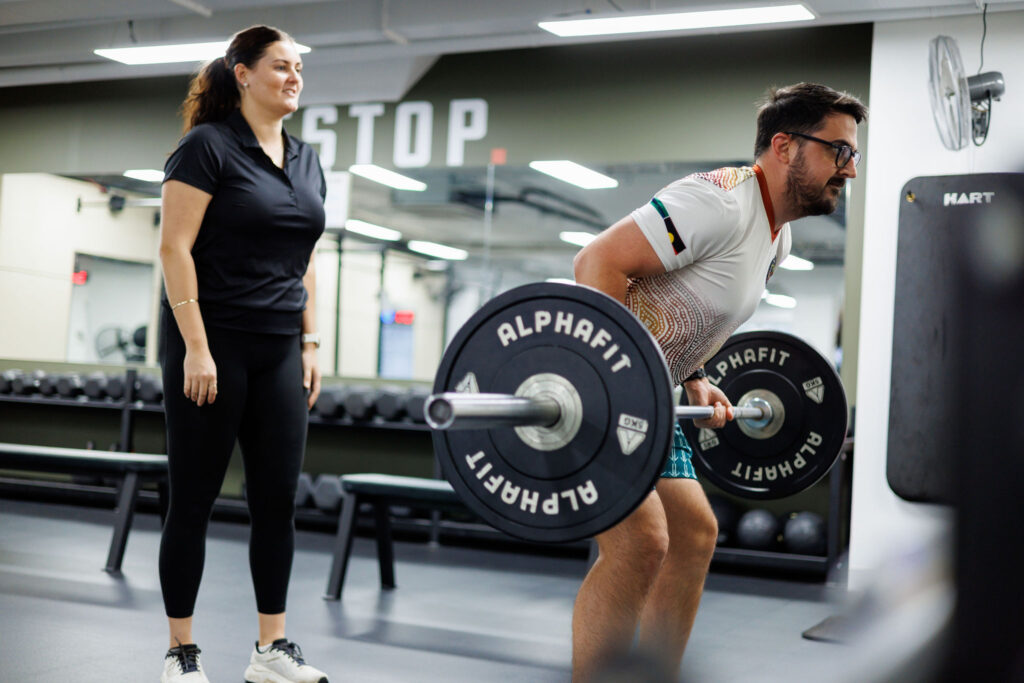
During basic training for your respective service, you’ll learn a lot. Physical training staff will only see you for a small period of time most weeks. Generally, you and up to 150 others will be under the instruction of Physical Training staff, leaving little time to ensure you move well and perform exercises using correct technique to avoid injury.
Getting expert advice is the best way to ensure you’re adequately prepared for the physical challenges that Defence brings. It will not only help you to get through the initial fitness testing but can also help to improve your confidence and technique once you’ve been admitted. Lastly, knowing how to train properly can reduce your risk of injury.
So, who can help you to get your body ready for the challenges ahead?
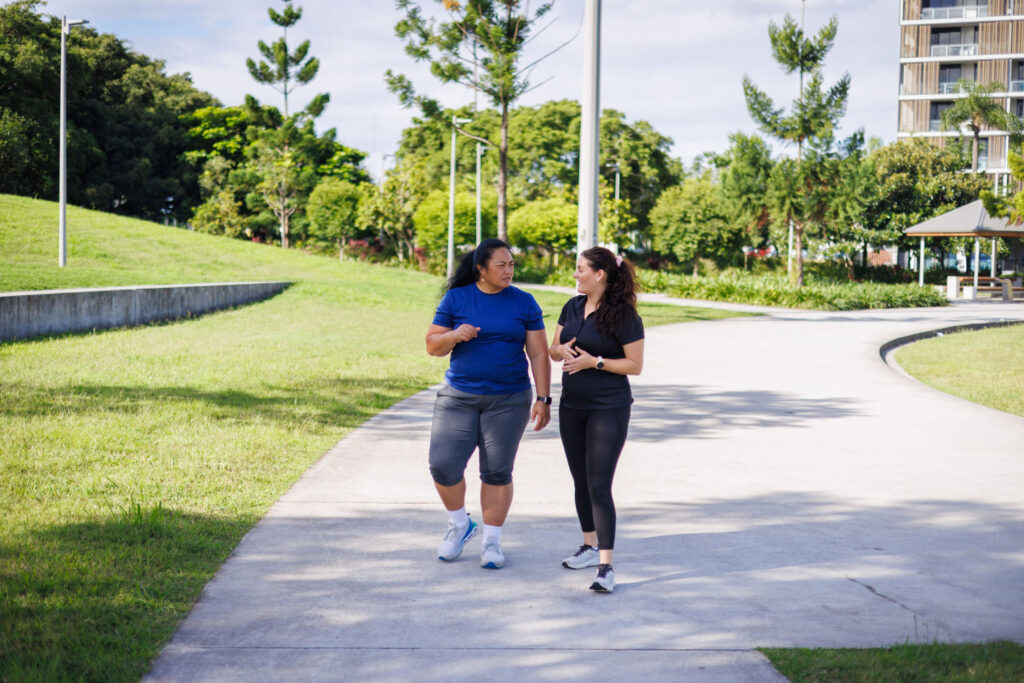
For most applicants, seeing an Accredited Exercise Physiologist (AEP) or Accredited Exercise Scientist (AES) is a great place to start. They are both university qualified exercise professionals with the skills and knowledge to prescribe safe and effective exercises to suit your individual goals and fitness levels. To find an AEP or AES near you, click here.
Individualised programming helps improve performance
As individuals we all have things that we can improve on. Some people require an emphasis on cardio preparation, whilst others need greater help with strength training (like push ups). Speaking to the right people can help you to take leaps forward instead of creeping forward by using a basic program.
Taking an individual approach to programming which is specific to your needs will have you better prepared for your long-term career and what is termed as legacy workforce (the work period between completion of employment training and retirement).
Top tips if you want join the Australian Defence Force
If you’re looking to sign up for the Defence Force, here are my tops tips for getting started:
- Understand the job you are applying for (training requirements and durations, posting locations, physical requirements, duties of your role).
- Understand how your values align with Australian Defence Force Values.
- Know and prepare for the physical, mental, and emotional needs, and challenges of service life.
- Talk to as many people in service as you can to find out if it is right for you.
- Enjoy the process. It is a journey; you will grow as a person and learn things about yourself that you never knew before.
- Get expert advice. If you need help – don’t forget to reach out to an accredited exercise professional (find one here!).
A career in defence can be really rewarding, so if you want to give it a go, I say DO IT!
Written by Braeden King. Braeden is an Accredited Exercise Physiologist at BK Health and holds ASCA Professional L2 accreditation.