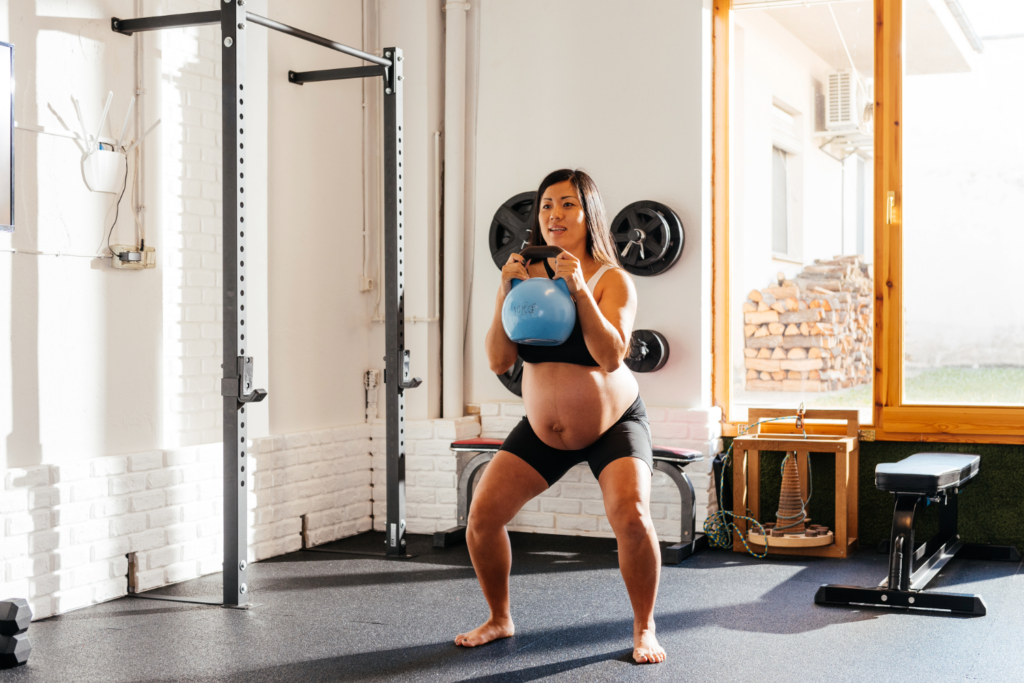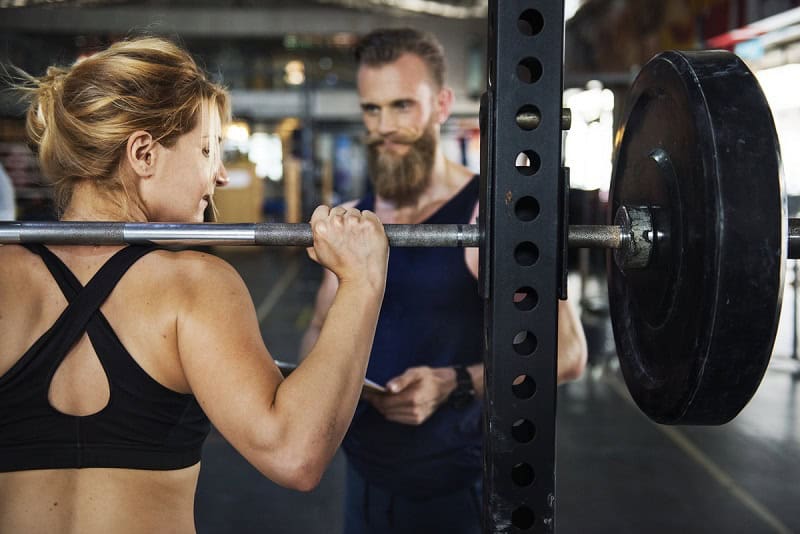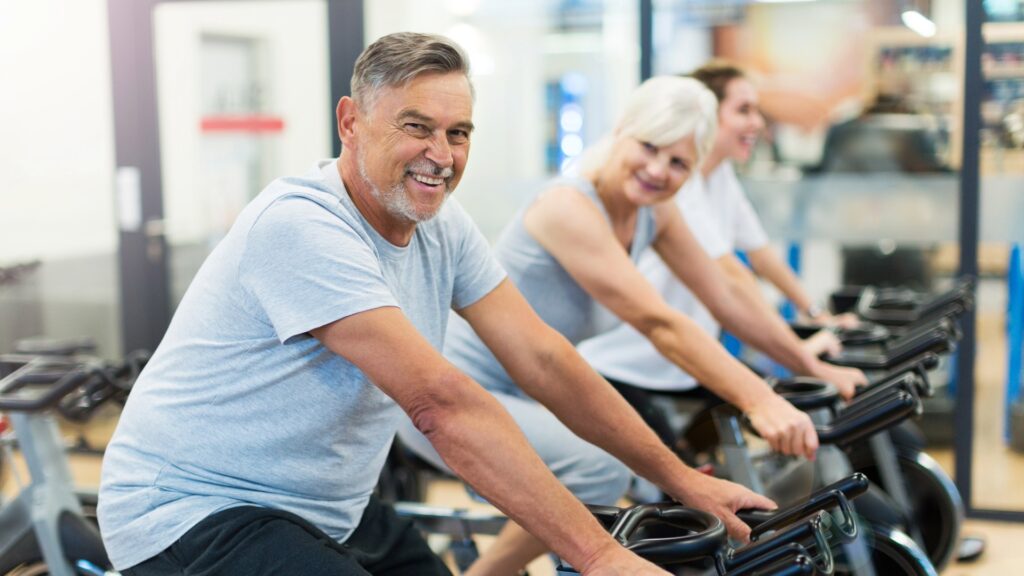


As you may have seen in the news, a range of fitness instructors in Spain are hosting exercises classes from rooftops so that quarantined residents can join in from their balcony.
Although this may seem a little bit outside the box, being able to exercise without leaving the house is a great idea. In fact, telehealth is offered within Australia and will allow you to exercise right for you and your health concerns with the assistance of an accredited exercise professional right in your home.
Handy for those who have been isolated or quarantined!
Just what is telehealth?
Telehealth is the use of digital information and communication technologies, such as computers and mobile devices, to access health care and exercise services remotely and manage your health. It provides you with the ability to still receive specialist health care without the need to travel. The benefits of telehealth include:- Telehealth is easy to use;
- Improved patient access to health care;
- Your progress can be managed remotely by any provider;
- Reduced travel and inconvenience for patients, families, carers and health professionals; and
- Providing health professionals with access to peer support and education.

Source: Physitrack exercise and Telehealth platform
Why is telehealth important for exercise?
One outcome of the current COVID-19 impact is the requirement for self-isolation or quarantining. Although important, this unfortunately leads to people not being able to seek help from their local exercise professionals to either stay healthy and keep active, or to receive management for their chronic conditions through the use of exercise.
Telehealth provides a great opportunity for exercise professionals to deliver an individualised exercise program via a digital platform; walking you through all your exercises and being able to monitor and assist you from the comfort of your home.
During this current pandemic, keeping up your physical activity is vital, not only to support your immune system but also to protect your mental health.
Being isolated from family, friends and the community, regardless whether it’s for health reasons or not, can have damaging effects on mental health, and exercise can play a key role in boosting positive and healthy habits.
However, it’s important that you still exercise right for your health, and telehealth provides that connection of physical activity and expert help.
How do I organise telehealth at home?
Firstly, have a chat with your GP or talk directly to an exercise provider to see if they can support you. Each provider will have their own software and system and will provide you with more details of what you will specifically need.
Generally, the important things that you will need at home include:
- a computer or mobile device
- an integrated or external microphone
- an integrated or external camera
- strong reliable internet connection
If you would like to find an accredited exercise professional who can provide you with telehealth services, you can find one by clicking here.