

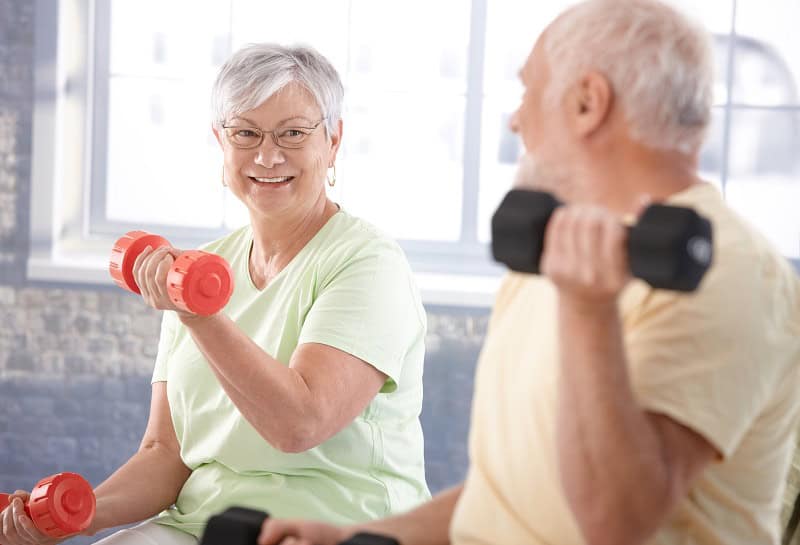


Lymphedema is a condition that often affects people recovering from cancer treatment. We asked Accredited Exercise Physiologist, Kitty Chao, about her tips for exercising with lymphedema.
What is the lymphatic system?
The lymphatic system works with the circulatory system and immune system to keep the body healthy. The lymphatic system drains fluid (called lymph) that has leaked from the blood vessels into the tissues and empties it back into the bloodstream via the lymph nodes. We have about 500–600 lymph nodes throughout the body, commonly found near the groin, armpits, neck, chest, and abdomen.
What is lymphedema?
Lymphedema is swelling of the limbs, chest, or back, typically on one side of the body. It occurs when your lymph vessels are unable to adequately drain lymph fluid from your tissue. Lymphedema is most commonly caused by the removal of or damage to your lymph nodes as a part of cancer treatment. It can range in severity and may be uncomfortable for the patient.
Common myths
There are a lot of myths when it comes to exercising with lymphedema. Some of these include:
- Don’t weight train
- Don’t lift over 2 kg’s
- Don’t exercise
Exercising with lymphedema
With so much misinformation out there, it’s important took a look at the research. Evidence suggests that:
- Women who have received axillary dissection and, in many cases radiation, for the treatment of breast cancer can safely engage in strenuous upper extremity exercise without incurring lymphedema
- Slow progressive exercise of varying modalities is not associated with the development or exacerbation of breast cancer-related lymphedema and can be safely pursued with proper supervision.
- Resistance exercise does not exacerbate the lymphedema or increase its risk
- Combined resistance and aerobic exercise does not exacerbate lymphedema symptoms
If you are at risk of lymphedema or currently have lymphedema, seek advice from an Accredited Exercise Physiologist (AEP). They will collaborate with a lymphedema specialist and tailor an exercise program to suit you and your individual needs.
To find an AEP near you, click here.