

Urinary incontinence
Home / Urinary incontinence
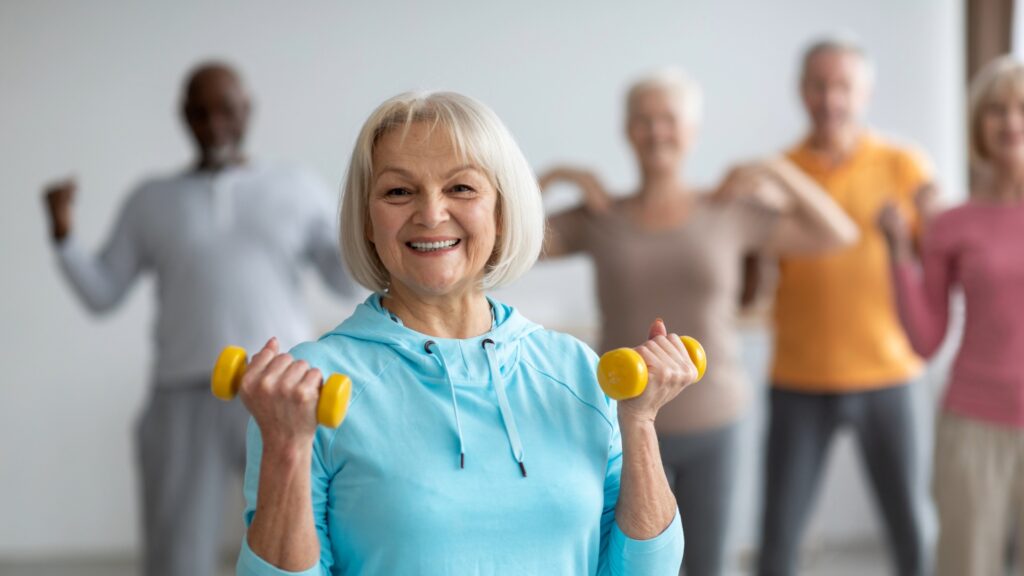
How does exercise help with urinary incontinence?
Exercise has many important benefits, including:
- Increasing fitness, strength and endurance
- Maintaining a healthy weight
- Improving mental health and quality of life
Regular exercise (most days of the week) is important because not exercising is linked with obesity, diabetes, lower back pain and depression. These problems can make UI worse.
Things to remember
- Relax the pelvic floor muscles as you breathe in and squeeze the pelvic floor muscles in and up as you breathe out. It may also be helpful to breathe out and squeeze the muscles in and up before certain movements (e.g., standing up, lifting something heavy, jumping). This is known as ‘the Knack’.
- If you find it hard to feel what the pelvic floor muscles are doing, you can try sitting on an exercise ball while doing your exercises as this will give you some physical feedback. As you squeeze in and up, you should feel the perineum gently lift away from the ball, and vice versa as you relax.
- Pelvic floor muscle training is best supported by a healthcare practitioner, such as an Accredited Exercise Physiologist, especially if you do not think you have the correct technique or don’t notice any improvement after 12 weeks of pelvic floor muscle training (PFMT).

What type of exercise is best for urinary incontinence?
Aim to achieve activity levels recommended in the Australian National Physical Guidelines. Choose forms of exercise that are enjoyable and comfortable. If you would like to begin or continue an exercise routine that includes high impact or lifting heavy weights, but experience UI symptoms during these movements, it is recommended that you see your GP for a referral to a suitably trained Accredited Exercise Physiologist.
In addition to regular exercise, it is recommended that you start a pelvic floor muscle training program (PFMT) to improve pelvic floor strength, endurance, power, and relaxation – all of which can help to improve symptoms of UI.
Find a professional
Talk to your GP or other treating specialist about an exercise program that suits your personal preferences and circumstances.
Alternatively, Accredited Exercise Physiologists, who are university-trained health professionals with expertise in the design and delivery of lifestyle interventions for people with chronic and complex conditions including breast cancer, will be able to create an individualised exercise program that suits your needs.

Frequently asked questions
What is an Accredited Exercise Physiologist (AEP)?
An Accredited Exercise Physiologist (AEP) is an allied health professional that prescribes individualised exercise therapy to help people manage their chronic conditions, disabilities, long-term injuries and so much more. They are the most qualified professionals in Australia when it comes to the prescription safe and effective of exercise therapy.
Who should see an AEP?
Anyone who wants to move safely and improve their health can benefit. From chronic conditions to injury recovery, or simply wanting advice on how to exercise right, an exercise physiologist is the expert to see.
Is an AEP covered by Medicare or private health insurance?
Yes. As allied health professionals, exercise physiology services are recognised in government health funding including Medicare, National Disability Insurance Scheme (NDIS) and Department of Veteran’s Affairs (DVA), workers’ compensation and private health insurers. It’s important that you check with your provider as coverage can vary.
Where can I find an AEP?
Use recognised directories like Exercise & Sports Science Australia (ESSA), ask your GP or look for allied health clinics with AEP credentials.
You may also like

Exercising with Stress Urinary Incontinence (SUI)
Have you ever jumped, laughed, coughed, or sneezed and experienced a small leak of urine? You’re not alone. Up to 50% of women will experience symptoms of stress urinary incontinence (SUI) in their lifetime. Despite being common among women, SUI, like many other women’s health conditions, is often overlooked and goes unmanaged, particularly in women […]
Managing Pelvic Pain with Exercise
This article was contributed and written by Accredited Exercise Scientist, and Accredited Exercise Physiologist, Lyndal McCoy. 25% of women, and approximately 50% of postpartum womenexperience Chronic Pelvic Pain (CPP). CPP, which is pain in the lower abdomen and pelvic region lasting for over 6 months with no medical reason, has a significant impact on quality […]