


Bowel cancer is the third most common form of cancer in Australia. So what causes bowel cancer, why is it so prevalent and what can we do about it?
Also called colorectal cancer, it’s prevalence is beaten only by breast cancer (for women) and prostate cancer (for men), with over 16,000 new cases estimated to be diagnosed this year. Current health data shows that the relative risk of developing bowel cancer by your 85th birthday is currently at 1 in 14 (1 in 12 for men and 1 in 17 for women). The good news is that making changes to your lifestyle, like exercising regularly, can reduce your risk.
Symptoms to look out for
Like many cancers, the success of treatment and long-term survival improves dramatically when it’s detected early. There are a range of symptoms that can indicate the presence of bowel cancer. It’s important to note that not all people experience the following symptoms when they have bowel cancer. Having these symptoms also doesn’t necessarily mean you have cancer, but if you do experience them, please see your doctor. Symptoms can include:
- Any type of bleeding from your rectum or blood in your stools
- A change in usual bowel movements (i.e. suddenly constipated or diarrhoea)
- Abdominal pain or bloating
- Weight loss for no apparent reason or loss of appetite
- Unexplained weakness, tiredness or breathlessness
What causes bowel cancer?
While the risk of bowel cancer greatly increases with age (particularly over 50 years), but you’re never too young. Therefore, everyone should be aware of the risk factors that can increase your likelihood of developing bowel cancer. These include:
- A previous history of inflammatory bowel such as irritable bowel and Crohn’s Disease.
- A previous history of polyps
- A family history of bowel cancer
- Excess body fat (or obesity)
- Physically inactive
- High intake of certain foods such as processed and red meat
- High alcohol consumption
- Smoking
- Some gene mutations

Bowel cancer and exercise
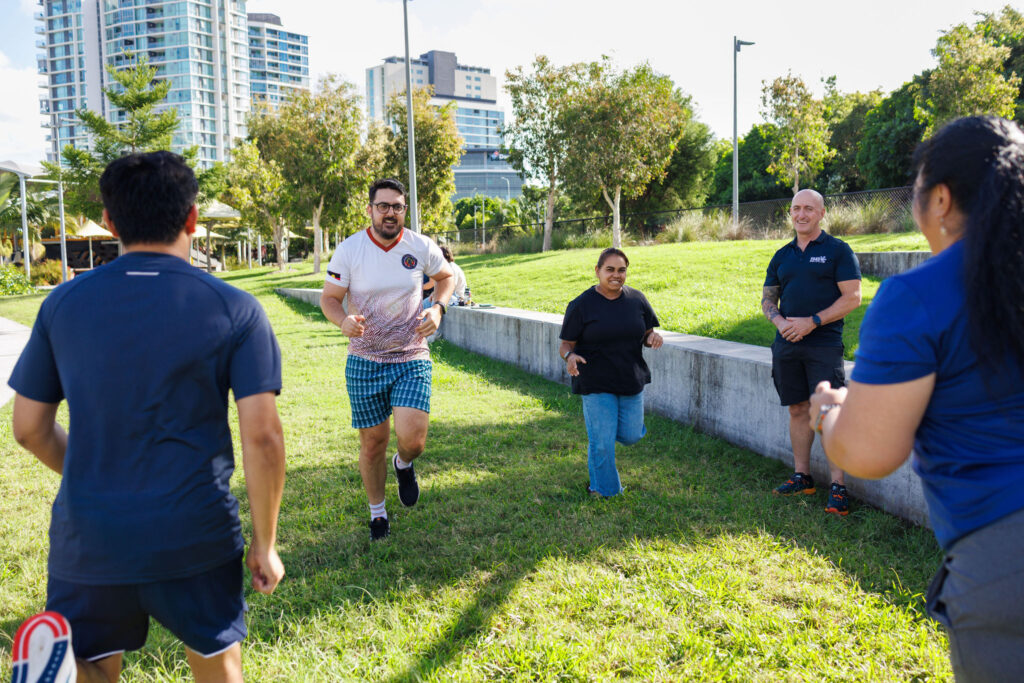
There is strong evidence that shows moderate to high levels of exercise or physical activity can significantly reduce your risk of developing bowel cancer. Studies show that exercise protects you by maintaining healthy body fat levels, regulating insulin and inflammation, and aiding digestion.
Recently, with the discovery of the microbiome, exercise has also been shown to help improve gut health by improving biodiversity and ratios of Bacteroidetes to Firmicutes (good and bad bacteria respectively) in our gut. It does this by reducing pathogens that have been linked to inflammatory disorders and bowel cancer by increasing mucosal immunity and improve barrier functions.
I want to start exercising but don’t know how
When starting out, it’s best to keep things simple. Focus on developing a habit of exercising for the rest of your life rather than trying to reach a certain weight or dress size. Set small weekly goals to help you and remember to celebrate your successes (with a pat on the back, massage or new exercise gear, not ice-cream!). Goals could be as simple as parking your car 10 minutes away from work or school each week day. Once you’ve completed this for 1-2 weeks, try adding in taking the stairs or a 20 minute walk at lunch time.
If you’re really finding it hard to get started, work with a professional. Exercise Physiologists are specifically trained to help you achieve a healthy lifestyle and can support you every step of the way.
To find an Accredited Exercise Physiologist near you, click here.
Written by Phoebe Roberts, Exercise Physiologist