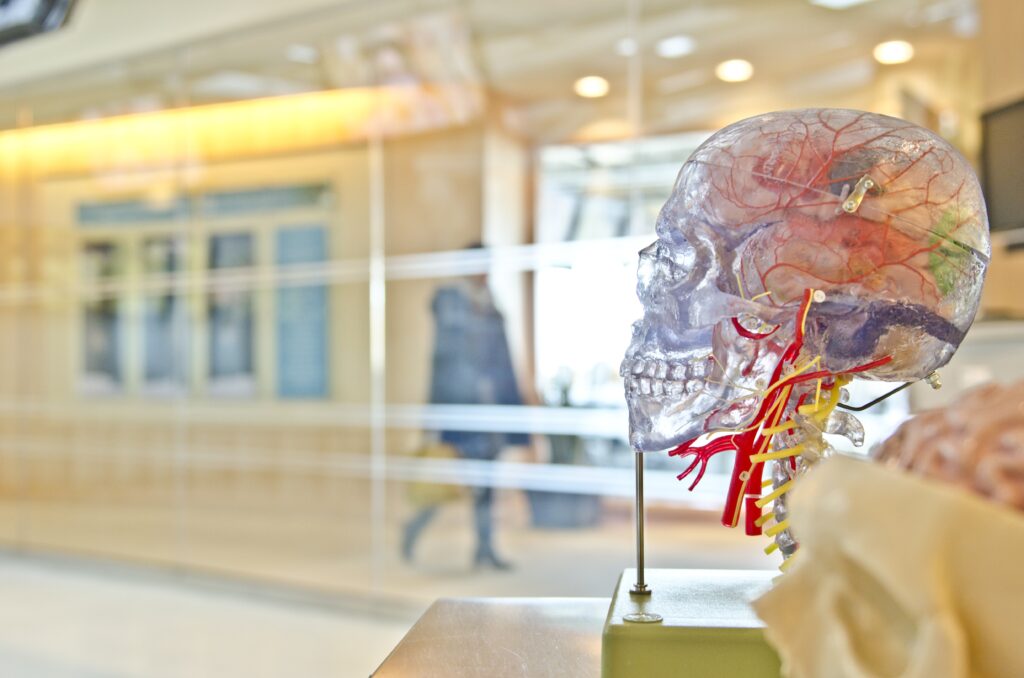

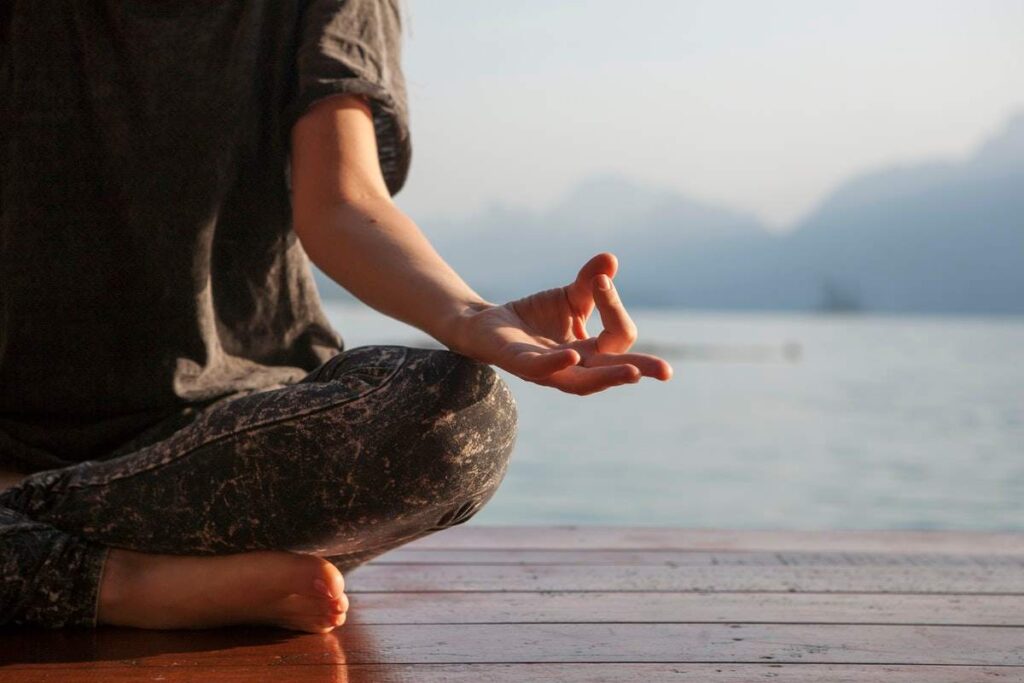


It’s mind-boggling to think that 1 in 5 Australians will experience a mental health illness. Mental illness, including anxiety and depression, can have a negative impact on an individual’s physical and psychological wellbeing and can also affect their relationship with others often leading to social isolation.
With everything going on in the world right now, many of us may experiencing new or heightened feelings of anxiety, distress and concern in relation to the outbreak. It’s important to ensure we look after our physical and mental health during this time.
If you’re stressed out or anxious, there’s a few simple things you can do to try and manage these feelings. Exercising regularly, eating well, getting enough sleep and practicing mindfulness or meditation are good places to start.
Research has also shown that breathing techniques such as abdominal breathing and lateral breathing may reduce anxiety and stress. But how does this work?
Benefits of breathing:
Sometimes during times of stress or worry, we create shallow, up-and-down and ineffective breaths using the tops of our chest. Taking the time (even 1 minute!) to slow and put all your focus into breathing deeply will encourage the body to relax. Performing techniques like deep breathing can activate the body’s “relaxation response” which changes the physical and emotional response to stress. This means that your breathing will slow, your muscles will release tension and your heart rate and blood pressure will decrease. Deep breathing has shown to increase the supply of oxygen to your brain which stimulates the nervous system to promote a state of calmness.

How to practice:
So how do you breathe deeply? There are a few different techniques which have a similar effect. Both abdominal breathing and lateral breathing are common practices, so choose the one that feels best for you. . Let’s try them now:
Firstly, find a quiet place to sit away from any distraction. It might be on the floor cross legged, on a comfortable chair with your feet flat on the floor or lying flat. Just make sure you feel comfortable.
To prepare, close your eyes, take a deep breath in, hold it (without closing off your throat) for 2-3 seconds. Then let it all out as slow and long as you can, relaxing every muscle in the body.
Abdominal Breathing:
- Place one hand on your breast bone, and the second on your belly
- Breathe slowly through your nose, feeling your belly rise (your chest should stay still) until you have a full breath
- Hold your breath (without closing off your throat) for 2-3 seconds
- Slowly breathe out through your mouth with pursed lips, feeling your belly fall
- Repeat 6 times

Lateral Breathing:
- Place the palms of your hands on the bottom of your ribs (Option 1). Some people find they tense through their neck and shoulders in this position, so you could also try making ‘chicken wings’ with the backs of your hands instead (Option 2)
- Breathe slowly through your nose, feeling your ribs expand outwards (while relaxing your shoulders and neck) until you have a full breath
- Hold your breath (without closing off your throat) for 2-3 seconds
- Slowly breathe out through your mouth with pursed lips, feeling your ribs contract back to their resting position
- Repeat 6 times


How often should you practice?
For best results, try and schedule time to breathe deeply each day. Don’t worry if you don’t get it right away, this can be tricky when you first start! You could also try apps, like Smiling Mind and Headspace, to assist with these techniques as well as mindfulness. Remember your health professional (including your exercise physiologist) will also have some great tips to keep well in these stressful times, so use them to your advantage. These techniques can be taught well over videoconferencing sessions with your health professional.
For more information check out our free eBook online for Exercise and Mental Health. If you or anyone you know is experiencing distress, be sure to acknowledge these feelings and seek professional support if needed. Beyond Blue has some great resources to assist with managing stress as well as short term counselling and referrals to professionals.
Learn More: How to improve your mental health in self isolation

Written by Elise Hoyer. Elise is an Accredited Exercise Physiologist and diabetes educator at Ballycara.