Exercise for women's health
Exercise plays a powerful role in supporting women’s physical and mental health across every stage of life, from adolescence through pregnancy, postnatal recovery, menopause, and beyond. It also helps manage health conditions unique to women, like PCOS, endometriosis, pelvic floor issues, and urinary incontinence.
Women’s health is complex, but exercise doesn’t have to be. Whether you’re managing a specific condition, preparing for motherhood, or entering a new life stage, the right type of movement can support your journey and improve your wellbeing.
Home / Women’s health
Why exercise matters for women
Exercise improves mood, energy, and mental health, supports cardiovascular health, bone density, weight management and can help reduce symptoms of menopause, postnatal recovery, and hormone-related conditions.
Explore key topics
Menopause & perimenopause
Structured exercise can help manage menopause symptoms like hot flushes, fatigue, mood swings, improving quality of life, and protect long-term health.
Endometriosis
Exercise can help reduce chronic pain and fatigue associated with endometriosis by improving blood flow, reducing inflammation, and strengthening surrounding muscles.
Pregnancy and postnatal recovery
Staying active during pregnancy helps improve circulation, reduce back pain and support pelvic floor function. After delivery, targeted exercise can help you safely return to normal.
Polycystic Ovary Syndrome (PCOS)
Exercise helps regulate hormones, improve insulin sensitivity, manage weight, and reduce anxiety and depression in people with PCOS.
Pelvic Organ Prolapse (POP) & Pelvic Core
POP is common, especially after childbirth, but the right exercises can support the pelvic floor and reduce symptoms. Learning how to breathe, lift and move properly is key.
Urinary incontinence
Leaking when you laugh, sneeze, or exercise is very common. Targeted pelvic floor exercises can be effective in helping to restore your confidence.
What type of exercise is best?
The most effective approach depends on your life stage, goals and health needs, but in general, the best types of exercise for women include:
- Aerobic activity (e.g. walking, swimming, cycling) for heart health and endurance
- Strength training (2+ times/week) for bone density, metabolism and hormonal balance
- Pelvic floor exercises are especially important during pregnancy, postnatal and menopause
- Balance and mobility training is particularly important as you age
Working with an Accredited Exercise Physiologist can help you tailor your program safely.
Get expert support
If you’re unsure where to start or how to exercise safely with a health condition, an Accredited Exercise Physiologist (AEP) or Accredited Exercise Scientist (AES) can help. They’ll assess your needs, guide your progress, and help you move with confidence, at every stage of life.
Frequently asked questions
Can I exercise during my period?
Yes! Gentle movement can help ease cramps, improve mood and reduce fatigue.
Is it safe to strength train during pregnancy?
Yes, with modifications. Focus on posture, breath, and pelvic floor engagement. Work with a qualified professional.
What if I have pain or prolapse symptoms when I exercise?
Seek advice from an Accredited Exercise Physiologist before continuing. The right guidance can make all the difference.
You may also like
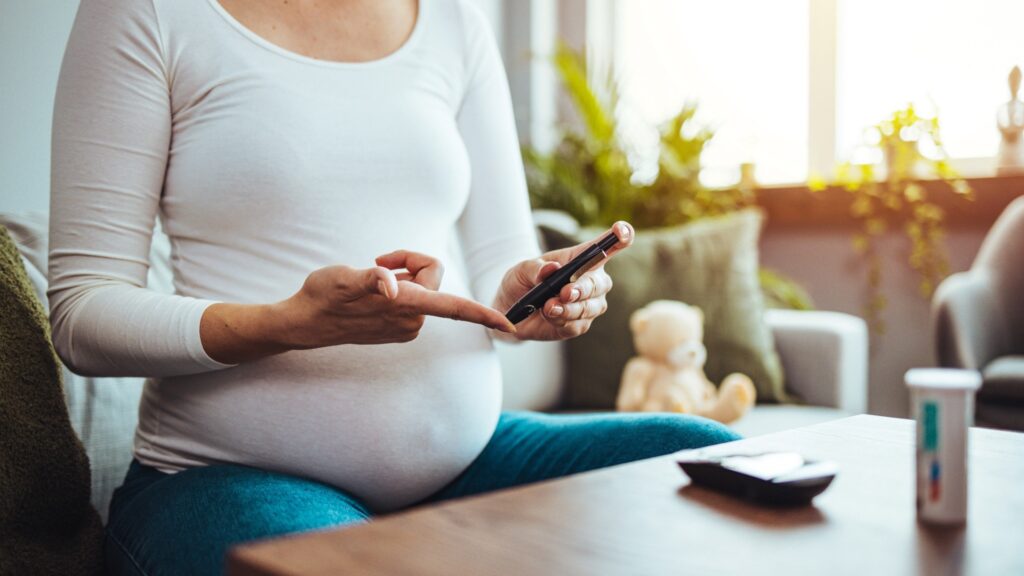
Finding your flow: how to exercise safely during pregnancy when living with diabetes
This article was written by Elise Edwards (nee Hoyer), Credentialled Diabetes Educator (CDE) & Accredited Exercise Physiologist (AEP) Finding out you’re pregnant is a whirlwind of excitement, anticipation and a fair bit of anxiety. Throw a diabetes diagnosis into the mix (whether it’s Type 1, Type 2, or Gestational Diabetes) and it is very common to […]

PMOS and exercise: why movement matters for more than just weight
This article as written by Alaina Tate, Accredited Exercise Physiologist and Accredited Exercise Scientist. You may have heard of Polycystic Ovary Syndrome (PCOS), but did you know that it isn’t just a condition affecting the ovaries, and you don’t actually need to have ovarian cysts to have it? Now known as Polyendocrine Metabolic Ovarian Syndrome […]
Women and heart health: why exercise matters at every stage of life
This article was written by Accredited Exercise Physiologist and Cardiac Sonographer Sophie Wright, founder of CardioCare Clinic, Bondi Junction. When we think about heart disease, many people still picture it as a health issue that mainly affects men. But, cardiovascular disease remains a major health concern for Australian women; and a woman’s cardiovascular risk can […]