

What is an Accredited Exercise Physiologist?
Accredited Exercise Physiologists (AEPs) are university-qualified allied health professionals and experts in the prescription of exercise for treating and managing health conditions. AEPs support individuals with chronic and complex health conditions, injuries, and disabilities to find the best exercises for their condition, ability, and health goals.
Services delivered by an AEP are claimable under Australian compensable schemes like Medicare, National Disability Insurance Scheme (NDIS) and Department of Veteran’s Affairs (DVA), Workers’ compensation, and covered by most private health insurers.
Home / What is an Accredited Exercise Physiologist
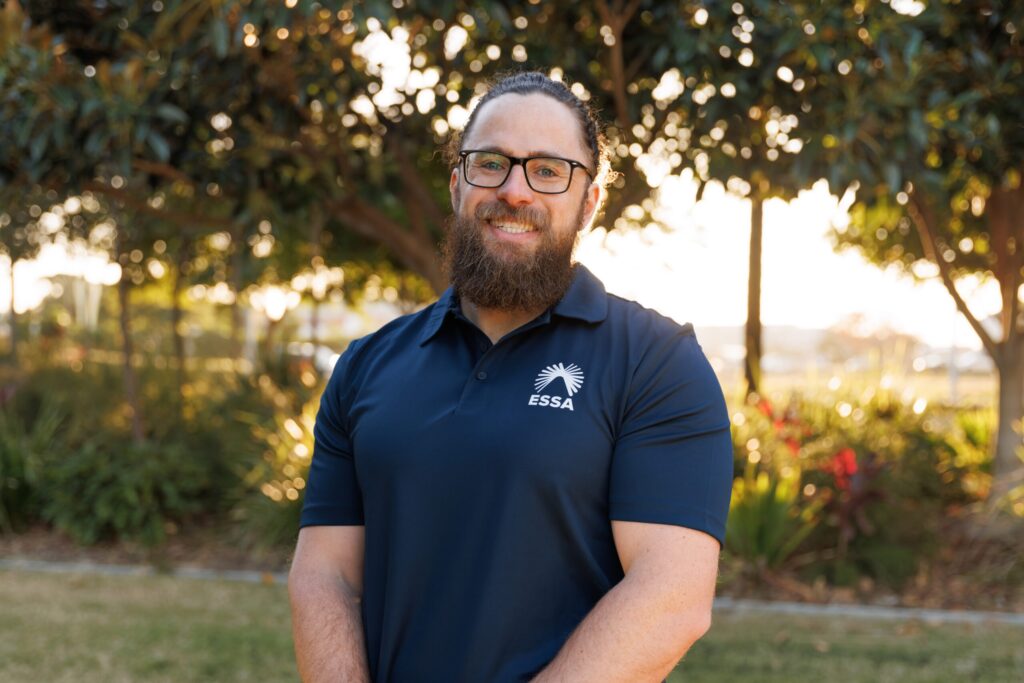
The exercise experts
Accredited Exercise Physiologists are the most qualified professionals to prescribe exercise. They can support you across the entire healthcare journey from prevention and recovery, to ongoing health maintenance.
- Expertise in exercise to help prevent, manage and treat chronic health conditions
- Provide structured, evidence-based, and individualised programs.
- Work in collaboration with your doctor, physiotherapist, dietician, occupational therapist or other allied health professionals.
Who can benefit from seeing an Accredited Exercise Physiologist?
If you’re living with a chronic condition, recovering from injury, managing pain, or simply want someone to guide you safely through exercise, an Accredited Exercise Physiologist can help.
Those who benefit from the help of an Accredited Exercise Physiologist:
- People with heart disease, type-2 diabetes, obesity, or metabolic syndrome
- Individuals recovering from surgery or injuries
- Those with chronic pain or musculoskeletal issues (e.g. arthritis, back pain)
- People with neurological or lung conditions
- Individuals with mental health challenges, fatigue, or low fitness levels
- Older adults aiming for better mobility, strength, balance, and independence
Accredited Exercise Physiologists practise in many settings including public and private hospitals, community health, workplaces and rehab, aged care facilities, gyms and sporting clubs, and private multidisciplinary clinics.

Exercise prescription for chronic conditions
Living with a chronic health condition or injury? An Accredited Exercise Physiologist can help:
- Reduce pain and improve joint function
- Enhance endurance, strength and mobility
- Improve management of chronic health conditions like diabetes, heart disease, arthritis, neurological or respiratory illness
- Support weight loss, mental health, sleep and quality of life
Refer to an Accredited Exercise Physiologist
If you’re a doctor, nurse or other health professional, referring to an Accredited Exercise Physiologist can enhance patient outcomes, reduce complications and improve long-term wellbeing.

Frequently asked questions
What is an Accredited Exercise Physiologist (AEP)?
An Accredited Exercise Physiologist (AEP) is an allied health professional that prescribes individualised exercise therapy to help people manage their chronic conditions, disabilities, long-term injuries and so much more. They are the most qualified professionals in Australia when it comes to the prescription safe and effective of exercise therapy.
Is an exercise physiologist covered by Medicare or private health insurance?
Yes. As allied health professionals, exercise physiology services are recognised in government health funding including Medicare, National Disability Insurance Scheme (NDIS) and Department of Veteran’s Affairs (DVA), workers’ compensation and private health insurers. It’s important that you check with your provider as coverage can vary.
Do I need a referral to see an exercise physiologist?
You don’t need a referral to book an appointment, but many people are referred by their GP or specialist to access subsidised appointments. Referrals are common when accessing Medicare rebates or compensable schemes like NDIS, DVA or Workcover.
Who should see an exercise physiologist?
Anyone who wants to move safely and improve their health can benefit. From chronic conditions to injury recovery, or simply wanting advice on how to exercise right, an exercise physiologist is the expert to see.
Can an exercise physiologist help with a mental health condition, general mental health or stress?
Absolutely. Exercise has a strong evidence base for improving mood, reducing anxiety, improving sleep and resilience. In conjunction with advice from a psychiatrist or psychologist, exercise physiologists can design programs that take your mental health into account.
What if I have limited mobility or severe illness?
Exercise physiologists are trained to adapt exercises to your ability and safety. They can work with you even if mobility is limited or there are health complications, tailoring every aspect of the program.
How do I find an Accredited Exercise Physiologist (AEP) near me?
Use recognised directories like Exercise & Sports Science Australia (ESSA), ask your GP or look for allied health clinics with AEP credentials.
Can exercise physiologists work with older adults?
Yes. Exercise physiologists design safe, tailored exercise programs to support healthy ageing, mobility, strength and independence in older adults. They can help prevent falls and assist older people live a more fulfilled life.
How are exercise physiologists different from physiotherapists?
While both allied health professions involve a minimum of four years of tertiary study at university, their scope of practice varies.
Exercise Physiologists specialise in long term exercise prescription. They can help prevent and treat many health conditions through prescribed exercise. They use movement as treatment for chronic conditions, rehabilitation, pain management, weight management, and long-term health. They’ll build a program that evolves with you, helping you take control of your health.
Physiotherapists can diagnose and treat a wide range of conditions. They often use manual hands-on therapy to support recovery, manage pain and restore movement after injury or surgery.
Both play important roles, and many people benefit from seeing both at different stages of their health journey.
Why should doctors refer patients to an exercise physiologist?
Referring to an exercise physiologist ensures patients receive safe, evidence-based exercise programs that improve health outcomes, prevent complications and support recovery. They also help prevent lifestyle diseases and help with weight management.
What does ‘accredited’ mean and why is it important?
Accredited means that an exercise physiologist has received formal recognition of their training, knowledge and expertise. Just like a doctor, they need to maintain their accreditation annually by completing continuing professional development. This ensures they stay up to date with the latest evidence and best practice and adhere to a set of professional standards. Accreditation is administered by the governing body; Exercise & Sports Science Australia (ESSA). You can check if your AEP is accredited by using ESSA’s verification tool.
You might be interested in

The science behind exercising for bone health
This article was written in collaboration with Accredited Exercise Physiologist Carlie Bauer. Bone is a living tissue made up of specialised cells. When we combine gravity and movement, the impact sends signals to tiny receptors within our bones, encouraging them to build more strength and adapt. Osteoclasts are specialised bone cells that act like a […]

More than exercise: how connection supports men’s health
This article was written in collaboration with Accredited Exercise Physiologist Matt Mulcahy from Atrium Exercise Physiology. For many men, looking after their health is placed on the back burner. Work, family commitments, financial pressures and the expectation to simply “push through” can mean physical and mental wellbeing are neglected for years before support is sought. Yet, […]
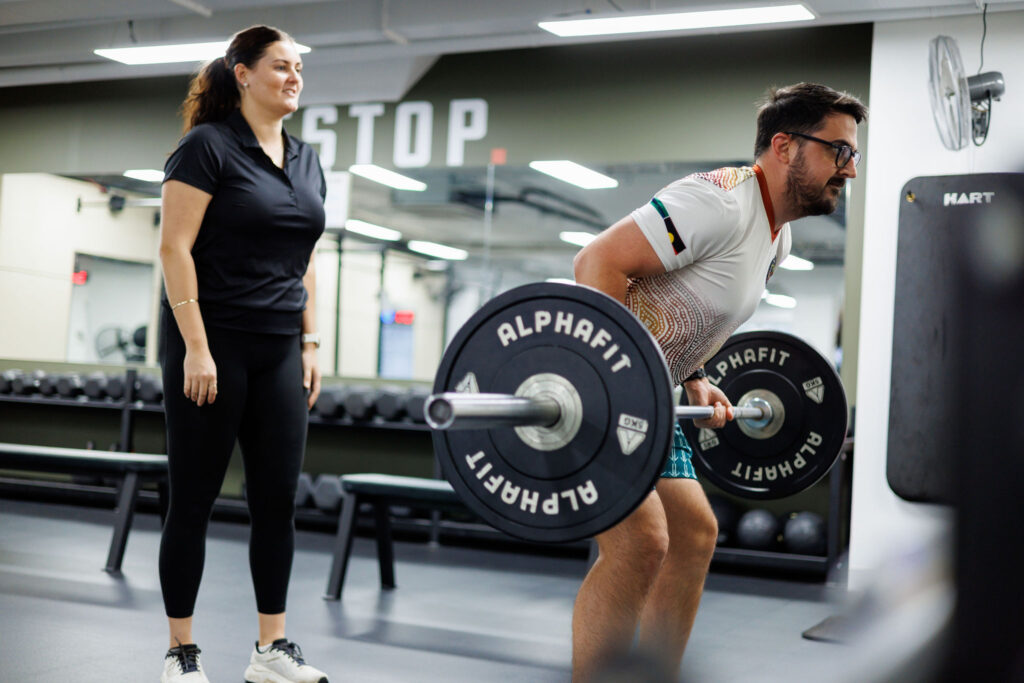
Do you want strong bones? Here’s what actually works
This article was written in collaboration with Accredited Exercise Physiologist Samuel Padarcic, General Manager of The Biomechanics. What type of exercise actually builds bone density? Accredited Exercise Physiologist Sam Padarcic explains resistance training, impact loading, and balance work for managing osteopenia and osteoporosis. Bone health has been getting more attention recently, but not always in a helpful way. From claims about “bone-stimulating […]