


This article was written in collaboration with Accredited Exercise Physiologist Carlie Bauer.
Bone is a living tissue made up of specialised cells.
When we combine gravity and movement, the impact sends signals to tiny receptors within our bones, encouraging them to build more strength and adapt.
Osteoclasts are specialised bone cells that act like a demolition crew, breaking down old or damaged bone. Osteoblasts, on the other hand, are the builders, responsible for creating new bone. They are part of a process called bone remodelling.
Not long ago, we thought this process of bone remodelling served one main purpose: to keep our bones strong so we could move. Recent research has shown that bone remodelling is also an endocrine process. This means that during remodelling, hormones are released that allow bone to communicate with other organs throughout the body.
You might now be wondering: how do we promote the creation of new bone? Exercise is part of the answer, but it’s important that we understand the key principles behind it.
Key exercise principles for bone health
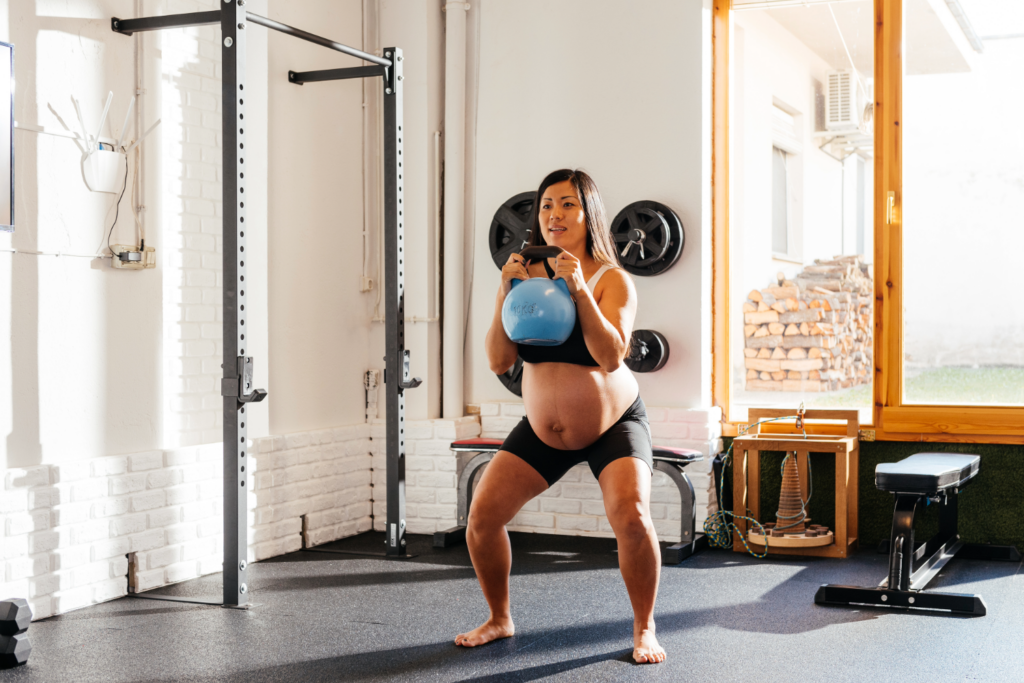
Bone will adapt in response to the load exerted on it, and the body will adapt density and structure in response to a feedback loop. Evidence shows that impact-based activities, such as jumping, and resistance exercises, like weight training, can promote bone health.
For these types of exercise to be effective, movements need to challenge the body in specific ways. Movements should be:
- multi directional,
- use moderate to high loads,
- be progressed over time, and;
- be performed consistently.
While walking and other low impact activities are beneficial for general health, they are not enough on their own to optimise bone health.
Repetitive movements, such as running, also do not provide enough variation or stimulus to promote meaningful bone adaptation.
Other forms of resistance exercise, such as Pilates, can be fantastic for improving mobility, balance, and muscle strength. However, the loads involved are typically not high enough to stimulate the bone building process. Rather than replacing these activities, you can aim to add targeted bone-loading exercise in a way that feels achievable, safe, and sustainable.
Practical strategies: how to implement bone-stimulating exercise
Stepping into weight training or gym spaces can feel daunting. While it is true that bones need loads that are heavy enough to stimulate our bone building cells, this does not need to be the starting point. What matters most for long term bone health is meeting your body where it is now and progressively building capacity over time.
A helpful first step is reframing what “bone loading exercise” looks like. It doesn’t mean jumping straight into lifting maximal weights or training every day. Instead, it means exposing bones to new and gradually increasing forces. You can begin with simple, purposeful strength-based movements using body weight, household objects, or guided programs at home. These early steps help build confidence, movement skill, and tolerance, which are essential before progressing to heavier loads that do stimulate bone adaptation.
Short, consistent sessions, even two to three times per week, are more effective for bone health than sporadic bursts of motivation. Choosing exercises that feel manageable, safe, and fit into daily life increases the likelihood that you’ll remain consistent and experience the benefits.
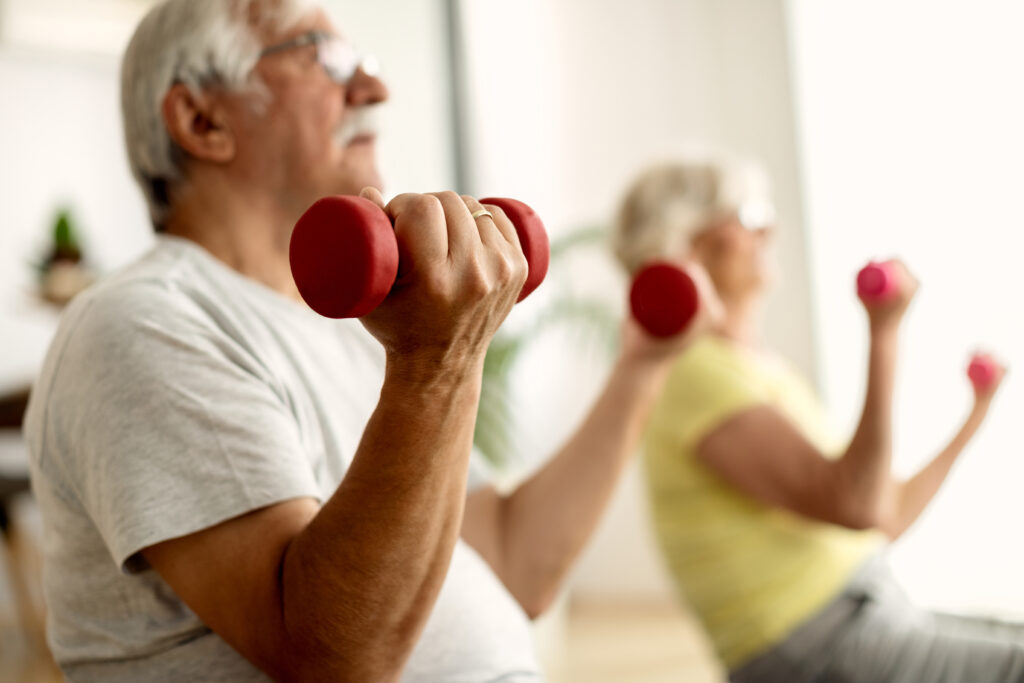
Progression is key. Once movements feel familiar and confidence improves, increasing resistance becomes important. This is where external load, such as dumbbells, resistance machines, or barbells, play a valuable role. Seeking guidance from an accredited exercise professional can help ensure loads are appropriate, technique is safe, and progressions are meaningful, particularly for those new to resistance training or returning after a long break.