


Written by Elise Edwards, Credentialled Diabetes Educator (CDE) & Accredited Exercise Physiologist (AEP).
If you are living with Type 1 Diabetes (T1DM), the relationship between your body and physical activity can sometimes feel unpredictable. One day a gentle jog keeps you perfectly steady; the next, the exact same route sends your blood glucose levels (BGLs) into a tailspin.
It is incredibly common to feel hesitant about exercising when the stakes feel so high; however, movement is one of the most powerful tools we have to protect your long-term cardiovascular health, improve insulin sensitivity and support your mental well-being.
The secret to exercising safely with T1DM isn’t finding a flawless, universal formula. Instead, it’s about understanding your body’s unique “fuel mix” and learning how different types of movement influence your metabolism.
The glucose rollercoaster
Your BGLs react entirely differently depending on how your muscles are working. In an ideal world, exercise performance is best seen with BGLs 6-8mmol/L; but this doesn’t always go to plan. Have you ever been confused about why a heavy weights gym session spikes your BGLs while a walk drops it? Keeping reading to find out more.
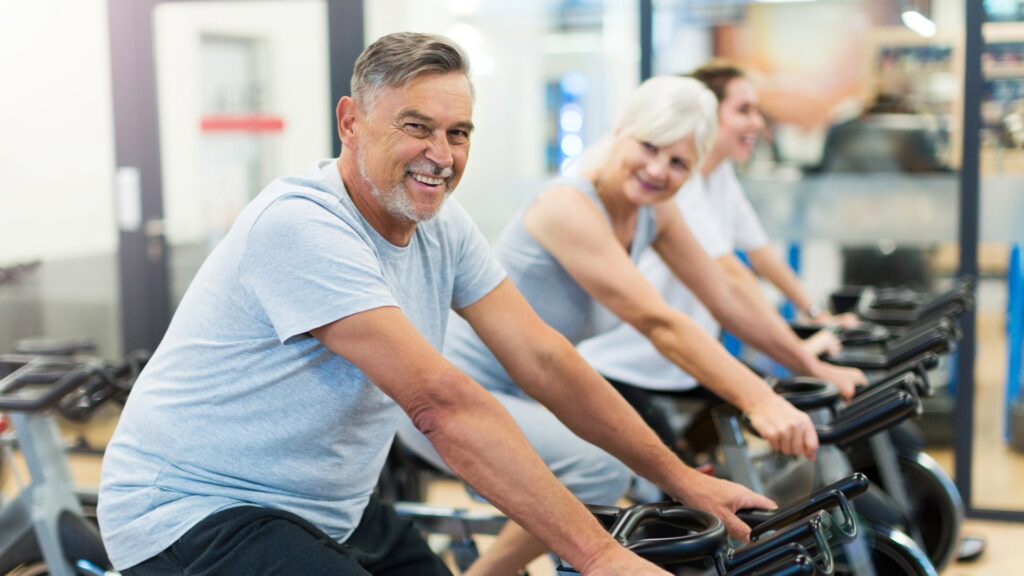
Aerobic exercise (the downward trend): continuous, rhythmic movements like walking, cycling or swimming rely heavily on oxygen. Your muscles efficiently soak up glucose from your bloodstream to fuel the steady effort. Without a physiological way to dial down circulating insulin, this type of exercise typically causes BGLs to trend downwards during the session. Be mindful of hypos during and immediately after this session as well as 7-11 hours after.
Anaerobic exercise (the upward spike, then drop): short, explosive bursts of energy like sprinting, high-intensity interval training (HIIT) or competitive sports mimic a similar response to “fight or flight” mode. This triggers a surge of stress hormones like adrenaline, prompting your liver to rapidly release stored glucose into the blood. Consequently, your BGLs often trend up during this type of activity. Keep in mind that once the adrenaline wears off, your muscles actively work to rebuild their energy stores, meaning your BGLs can trend downwards for up to 48 hours post-exercise! So, watch out for hypos at the first peak 7-11 hours later, but also ease up on the long-acting insulin/basal rates for up to 48hrs post!
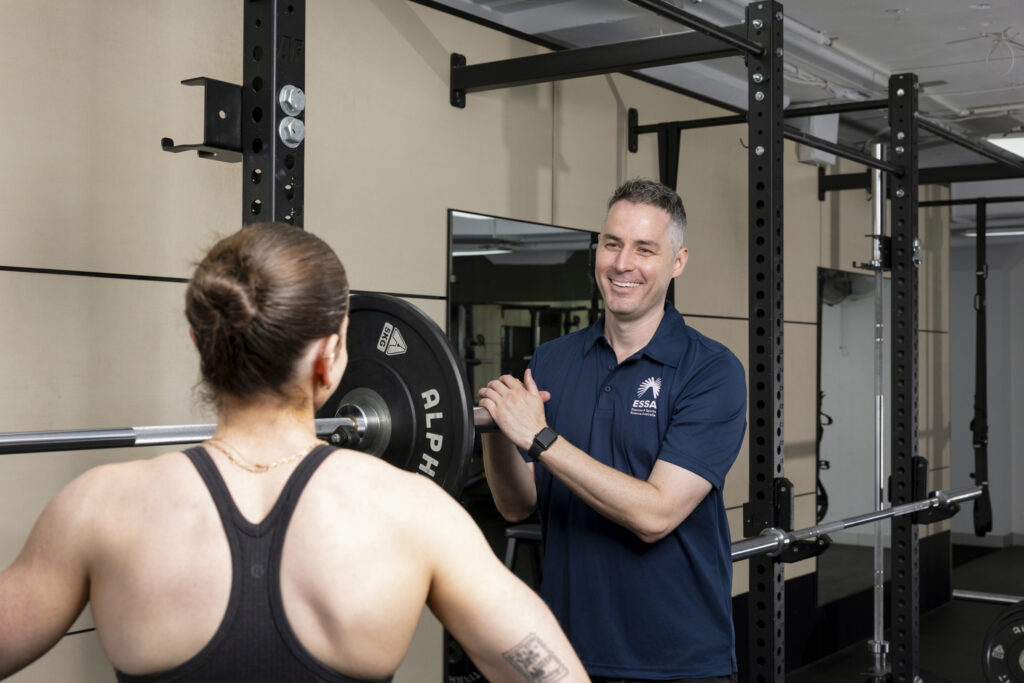
Resistance exercise (the mixed bag): weight-lifting, Pilates and strength training are highly variable. BGL behaviour depends entirely on the intensity, the size of the muscle groups targeted, and the structure of your sets. A heavy, low-rep leg day might mirror an anaerobic spike, while a high-rep, circuit-style upper body workout might act more like aerobic cardio. As expected, the risk of hypos can vary in this situation. Some people prefer to do heavy weights first then aerobic exercise after to lower the risk of hypos DURING their session.
Just remember: exercise response is unique. What works for someone else online might not be the right strategy for you. If you’re not sure if it’s safe to exercise or what type, check out this decision tree
Insulin pumps vs. injections
How you choose to use insulin (e.g. pump vs injections) plays a massive role in how you prep for exercise. Neither path is superior, but they do require very different strategies.
If you use a pump: pumps only use fast-acting insulin, so you can actively reduce your circulating insulin levels by setting a temporary basal rate or activating your pump’s “exercise/activity mode” 60 to 90 minutes before you start moving. For some, this may help prevent a surplus of insulin resulting in a hypo.
If you use injections: you are working with long-acting background insulin that is already in your system and cannot be turned off. Your strategy will rely heavily on timing your activity around your mealtime insulin. This may involve potentially reducing the rapid insulin if exercising within 2–3 hours of eating. If your BGLs are <7mmol/L pre-exercise, it may also involve using targeted carbohydrate snacks to match the active insulin on board. Be sure to chat with your Credentialled Diabetes Educator (CDE), dietitian and diabetes team about what strategy may work best for you!
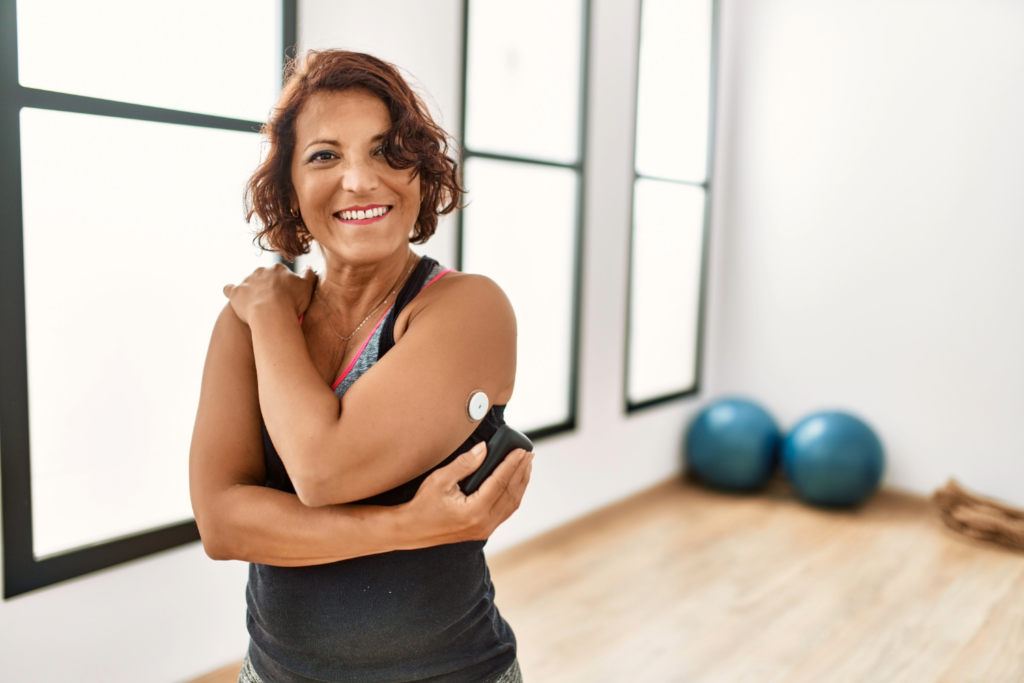
Regardless of your delivery system, we strongly encourage all individuals living with T1DM to utilise a Continuous Glucose Monitor (CGM). A CGM doesn’t just give you a static number; it provides directional trend arrows. The more you exercise, CGMs can help you understand how your BGLs track in that activity! Knowing whether your BGL is 6.5 mmol/L and steady, or 6.5 mmol/L and plunging rapidly, completely changes how you treat your body before, during and after exercise. Just remember that with some exercise and rapid changes in glucose, the CGM readings may be delayed, so always carry your finger pricker with you to confirm if any hypo symptoms.
Before you change any pump settings or lace up your joggers for the first time, remember that data is your best friend. Checking your BGLs multiple times before, during, and after exercise allows you to spot patterns and predict how your unique metabolism handles your favourite activities. We also know that frequent activity has shown consistency with glucose trends in individuals with T1DM!
You don’t have to navigate these variables alone! Partnering with your CDE or endocrinologist is essential to mapping out initial safety parameters, pump settings or timing injections/doses. Combined with the individualised, tailored movement programming of an AEP, you can participate in any exercise with total confidence.
References
Colberg, S. R. (2016). Physical activity/exercise and diabetes: A position statement of the American Diabetes Association. Diabetes Care, 39(11), 2065–2079. https://doi.org/10.2337/dc16-1728
Martin-Rivera, F., Maroto-Izquierdo, S., García-López, D., & Alarcón-Gómez, J. (2023). Exercise interventions for patients with type 1 diabetes mellitus: A narrative review with practical recommendations. World Journal of Diabetes, 14(5), 539–548. https://doi.org/10.4239/wjd.v14.i5.539
Riddell MC, Scott SN, Fournier PA, Colberg SR, Gallen IW, Moser O, Stettler C, Yardley JE, Zaharieva DP, Adolfsson P, Bracken RM. The competitive athlete with type 1 diabetes. Diabetologia. 2020 Aug;63(8):1475-1490. doi: 10.1007/s00125-020-05183-8.
Soares, R., Silva, V., & Santos, M. (2024). Safety guidelines for insulin pump adjustments during physical activity in pregnant women with pre-existing type 1 diabetes. Australian Journal of Advanced Clinical Nursing, 31(2), 112–119. https://doi.org/10.5124/ajacn.2024.7761
Turner, G., Quigg, S., Davoren, P., Basile, R., McAuley, S. A., & Coombes, J. S. (2019). Resources to guide exercise specialists managing adults with diabetes. Sports Medicine – Open, 5(1), 1–11. https://doi.org/10.1186/s40798-019-0192-1