


This article was written by Nicholas Lawlis, Accredited Exercise Physiologist and Postdoctoral Research Fellow in the Centre for Ageing Research and Translation at the University of Canberra.
Being diagnosed with dementia before the age of 65 is not what most people think when they hear the word ‘dementia.’ At that age, you may still be working, living with children, paying off a mortgage, and heavily involved in your community.
But then you receive a diagnosis of dementia.
Keeping active and exercising is probably not the first thing on your mind. But it may be one of the most valuable things that you can take control over, and hold onto, and not for the reasons you might expect.
What is young onset dementia?
Young onset dementia is the diagnosis of any type of dementia before the age of 65. AIHW estimates that 29,000 Australians are currently living with young onset dementia, with the vast majority of people living at home rather than in residential care.
Being diagnosed at a younger age changes the entire experience of living with dementia. Most dementia services are built for people 20 or 30 years older than you, which can leave you feeling even more out of place. Being younger, you are also likely to be fitter, and more active, because your lifestyle requires you to be. Despite this, there is very little research that explores how we can support people with young onset dementia using physical activity and exercise.
My PhD focused on this question, asking if we can understand physical activity in people with young onset dementia, and its role in post-diagnostic support.
Can I still exercise after a diagnosis of young onset dementia?
Almost certainly, yes.
In a study I led using data from the UK Biobank, we measured how much people actually moved, using wrist-worn activity trackers over seven days. People with young onset dementia moved about as much as people of the same age without dementia.
For those in the older group, the picture was different. People diagnosed after 65 did less light activity and spent more time sitting and sleeping than their peers.
That matters: after a young onset diagnosis, the physical ability to be active is often still very much there.
It also suggests a window. The best time to build activity into your week is now, while it is easier to establish, rather than trying to rebuild it years down the track.
What tends to get in the way of being physically active?
When we interviewed people with young onset dementia and their care partners, the barriers they described had very little to do with fitness.
Losing a driver’s licence came up again and again. If you can no longer drive to the pool and your partner is at work, that activity quietly disappears. Care partners are often working full time and managing children, so there is limited capacity to drive to appointments. Group programs are usually aimed at much older people, so people did not feel they belonged. Funding sits awkwardly between the NDIS and aged care and many people had simply never been told that exercise was worth doing after a diagnosis.
If that sounds familiar, you are not doing anything wrong. These are practical problems, and most have practical solutions.
What actually helps?
The things that worked were the mirror image of the barriers:
- an activity you already know and enjoy, rather than something brand new
- a regular time, in a familiar place
- someone to go along with
- a professional who understands dementia and speaks to you as an equal
- a way of getting there that does not depend on you driving
It is not really about fitness
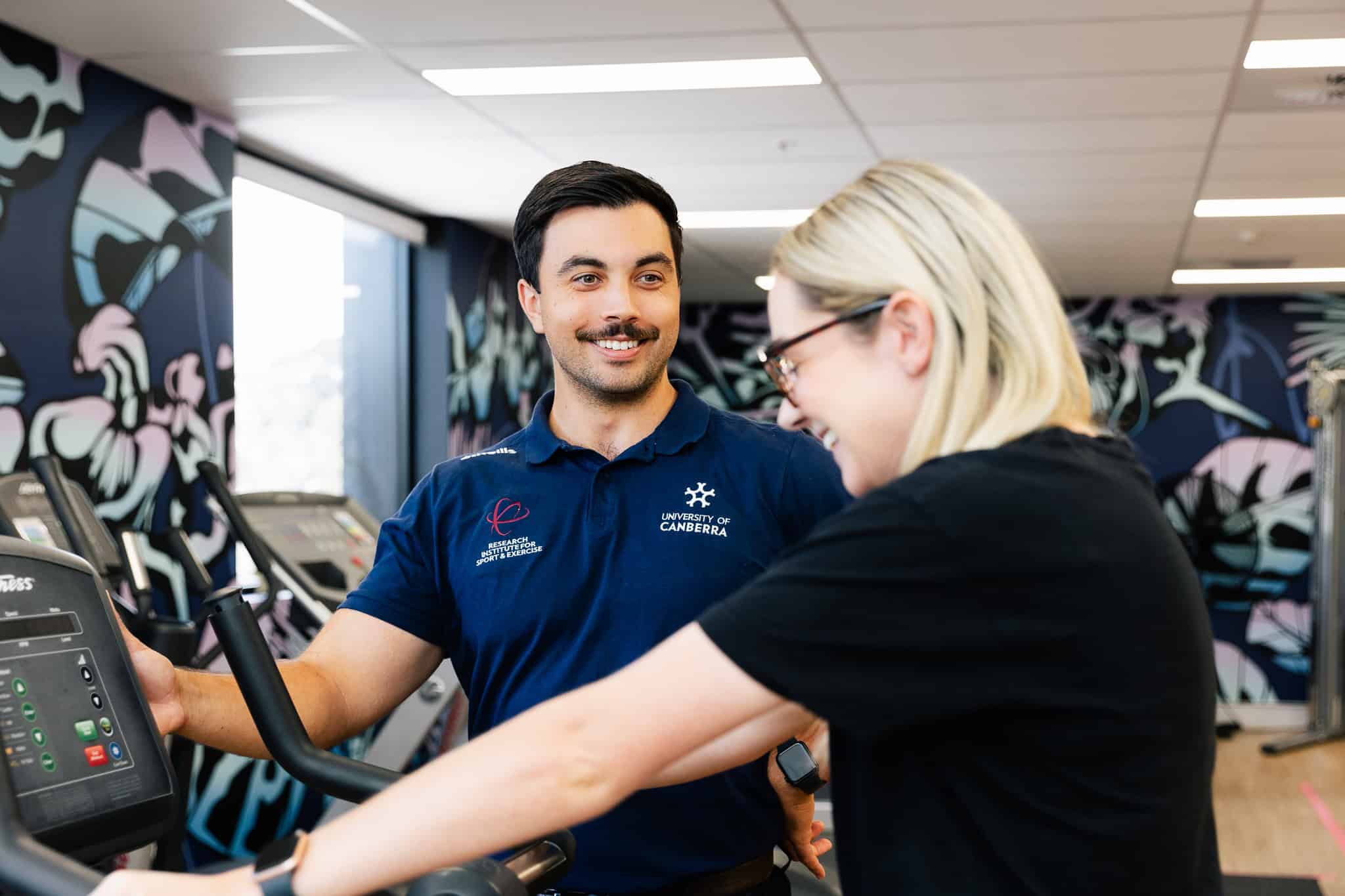
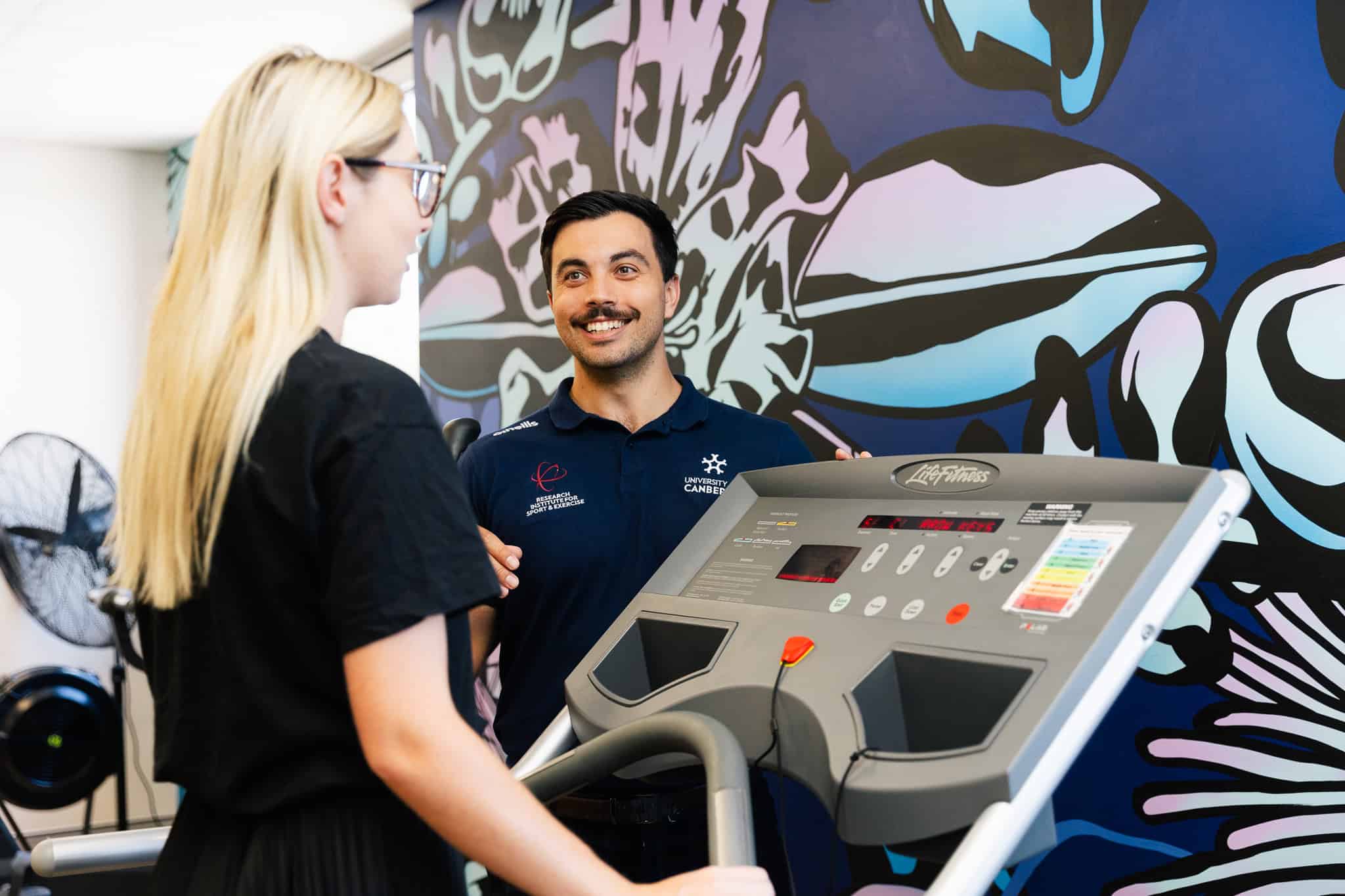
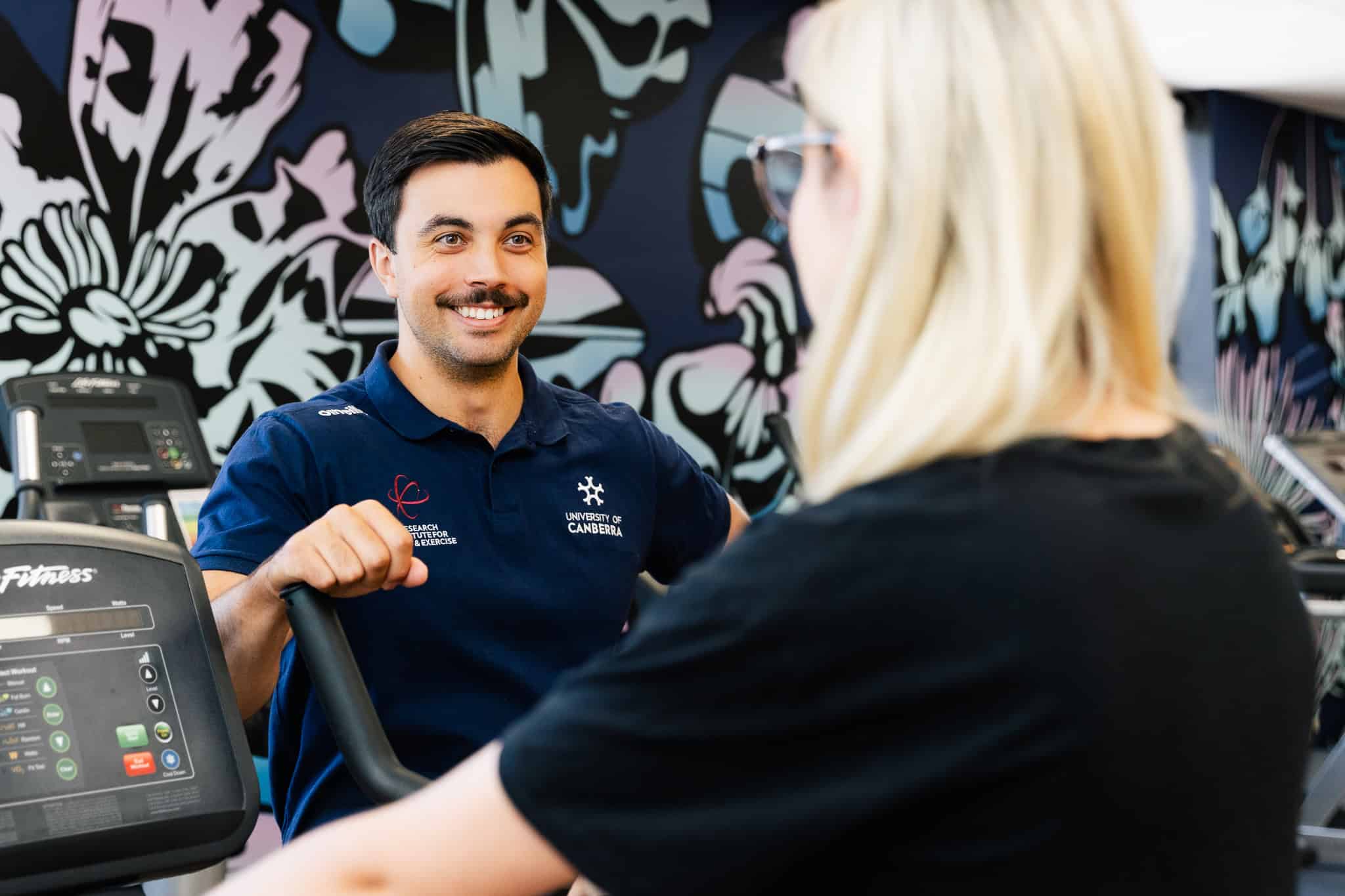
As part of my PhD, we ran an eight-week program for people with young onset dementia. Each person had two one-on-one sessions a week with an Accredited Exercise Physiologist (AEP), built around their own goals and abilities.
Afterwards, people told us about the changes that mattered to them. Almost none of them were fitness measurements. They talked about getting down on the floor and playing with their children and grandchildren again. Feeling steadier and more confident at work. Feeling capable in front of other people. A dementia diagnosis takes a lot of control away. Exercise handed some of it back. Being the person who does something about their own health, rather than the person things happen to, turned out to matter enormously. (This work is currently under peer review.)
Where do you start?
You do not need a gym membership or a complicated program.
Pick something you already like. Walking, swimming, golf, gardening, dancing. The best exercise is the one you will keep doing.
Anchor it to something. A regular day, a regular time, a regular person. Routine does a lot of the remembering for you.
Sort out transport early. If driving is likely to change, work out now how you will get there or choose something you can do close to home.
Expect the plan to change. A good program gets reviewed and adjusted over time. It is not written once and filed away.
Start small. Ten minutes you repeat every week beats an hour you do once and abandon.
When should you get help?
It is worth speaking to a professional if you are unsure what is safe, if your balance or coordination has changed, if you have stopped an activity you used to love, or if you simply do not know where to begin after a diagnosis.
Accredited Exercise Physiologists are university-qualified allied health professionals who prescribe exercise for people with chronic and complex conditions. Their services can be claimable under Medicare, the NDIS and DVA, and are covered by many private health insurers. See your GP to discuss referral options.
An AEP can build a program around your goals and circumstances and adjust it as your needs change. It is worth asking about their experience with dementia or other neurological conditions.
Keep doing what matters to you
A dementia diagnosis does not mean the end of an active life. With the right support, it can be the start of a very deliberate one.
If you or someone you love has been diagnosed with young onset dementia, consider finding an Accredited Exercise Physiologist near you.