


This article was written by Tim Douge, Senior Accredited Exercise Physiologist (AEP).
Obesity is a complex, chronic disease which is resistant and relapsing by nature. GLP-1 Medications like Ozempic, Mounjaro and Wegovy are acknowledged as an effective part of treatment for this condition, but their prescription has changed dramatically in the last four to five years.
Their initial approval in 2005 was purely as a glucose targeting treatment for Type 2 Diabetes, and while there were some known weight loss effects, GLP-1 medications were not acknowledged as a specific treatment for obesity until 2017. Even until 2020, treatment guidelines for obesity advocated for lifestyle intervention or bariatric surgery. In late 2025 however, the World Health Organisation released a policy statement recommending GLP-1 medication as a safe and effective treatment for obesity in conjunction with lifestyle and behavioural interventions including exercise, diet, and psychological therapies.
Since this shift in policy, which has also been adopted by the RACGP, 2% of Australians are using GLP-1s and half of these patients are paying privately for prescriptions specifically for weight loss and not related to Type 2 Diabetes.
As an Accredited Exercise Physiologist working in both the clinical and community fitness spaces, the excitement behind the impact of GLP-1 medication is very real, but the lifestyle support for patients with obesity is unfortunately falling behind. Here is an Accredited Exercise Physiologist’s guide for people who are considering GLP-1 treatment, or those who have already started.
Understand
- GLP-1 medications are not a quick fix. They are recommended as part of long term, continuous care. If they are stopped, weight regain occurs in almost 100% of patients.
- Obesity and associated metabolic risk factors will improve with weight loss, however physical inactivity is its own risk factor for chronic disease and reduced functioning.
- Rapid weight loss is associated with its own potential complications such as:
- Increased risk of low bone density due to reduced body mass bone stress.
- Reduced lean mass due to decreased food intake and associated metabolic compensation.
- Fatigue from low energy intake and other side effects such as nausea or constipation can make starting an exercise program physically difficult even though motivation might be high. This can also impact the time it takes you to recover from exercise.
- Regular exercise is one of the strongest predictors of sustained weight loss for patients on GLP-1 medication.
Consider
- If you are considering starting GLP-1 medication, engage an exercise physiologist first to help you build a physical activity program. The purpose of this is to build exercise tolerance, improve muscle mass, increase cardiovascular fitness, and build a routine. You will also be able to start a routine without the impact of medication side effects.
- Independent of weight loss, you should aim to meet the Australian guidelines for physical activity to maintain your health and function. If you have other health or movement barriers, your Accredited Exercise Physiologist can help build your strategies for this before starting medication.
- Obesity treatment is like a table with four legs, GLP-1s, exercise, nutrition, and psychology. If your table is only supported by medication, it remains very fragile, but with each new leg added, increases stability and durability.
Take action
- Book an appointment with an Accredited Exercise Physiologist or see your GP to recommend an Accredited Exercise Physiologist for you.
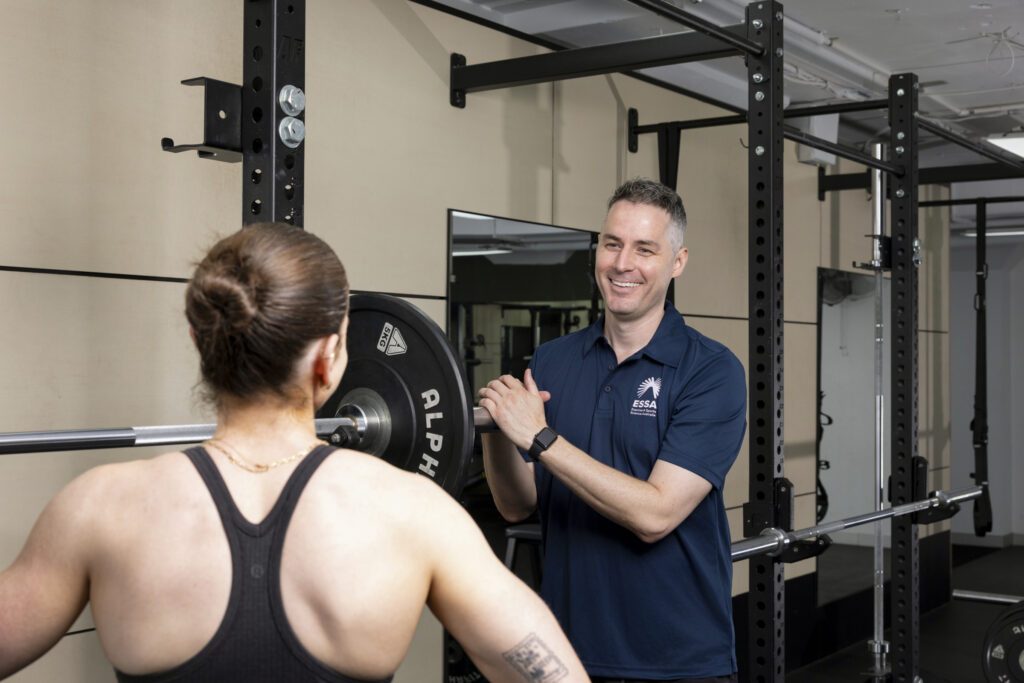
- Resistance training. Start with isolated exercises instead of compound movements to reduce metabolic demand in a low-calorie environment while still focusing on muscular strength and hypertrophy. This can increase over time to include bone stress stimulus.
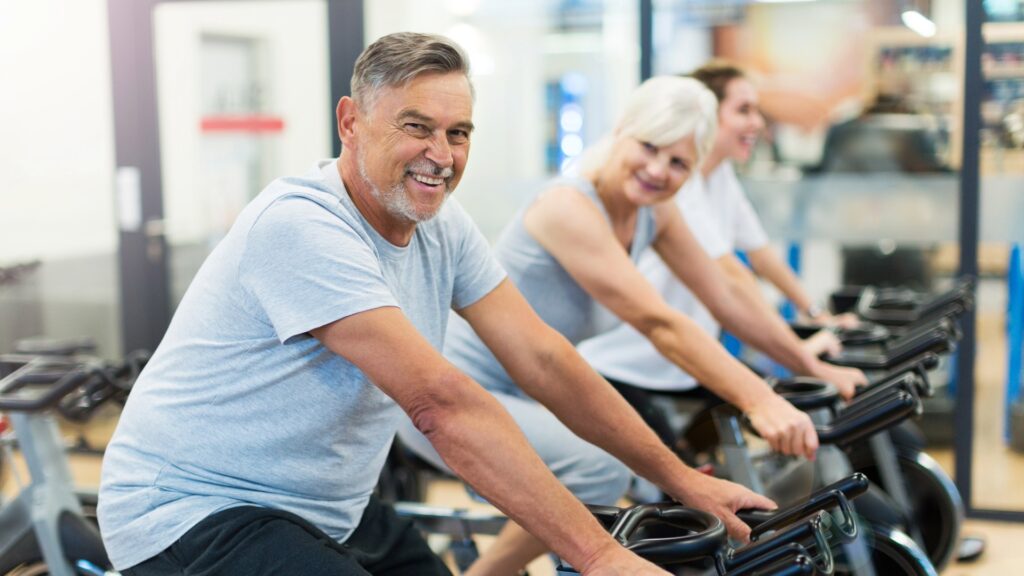
- Cardiovascular training, initially at low to moderate intensity, to improve cardiometabolic efficiency and reduce chronic disease risk factors. This can be progressed to higher intensity activity as fitness and tolerance improves.
- Move regularly. Consistent daily movement or multiple daily doses is better than harder/longer exercise sessions with sedentary days in between.