



More than 2 in 3 Australian adults are overweight or obese. There’s a lot of information out there about how to lose weight and it’s easy to lose track of the basics. We asked an Accredited Exercise Physiologist for some practical tips on exercise and weight loss.
The World Health Organisation (WHO) defines overweight and obesity as “an abnormal or excessive fat accumulation that presents a risk to health”. The health consequences of being overweight and obese are well documented and include increased risk of developing type 2 diabetes, cardiovascular disease and some cancers.
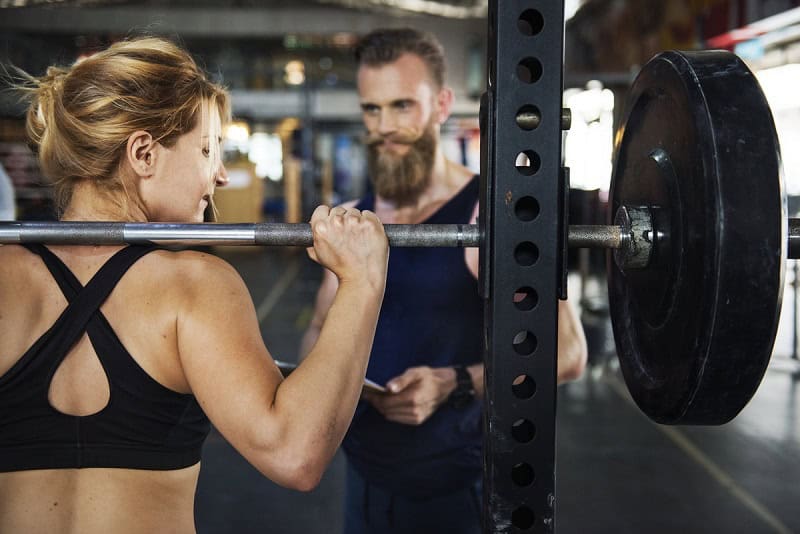
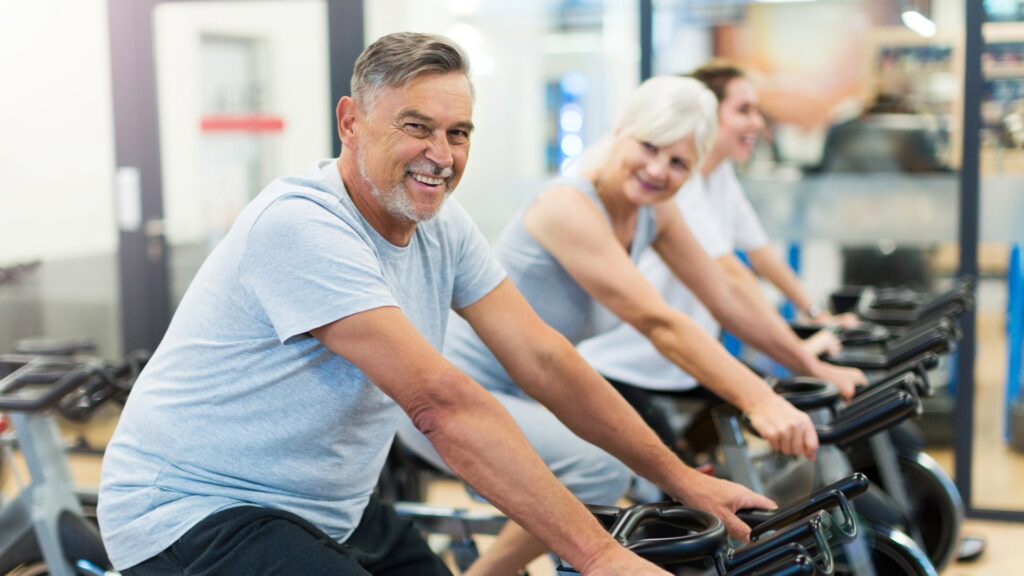
It’s important to highlight the powerful role that exercise, as lifestyle intervention, can play in facilitating weight loss and subsequently reducing risk of chronic disease. It’s also important to understand how an Accredited Exercise Physiologist (AEP) can help you to evoke the behaviour changes required to achieve successful weight loss.
Why choose an accredited exercise physiologist?
Accredited Exercise Physiologists are the most qualified health professional in Australia when it comes to exercise prescription. They are also highly skilled in behaviour change and will ask the right questions to help you find out your ‘why’. If you are a weight loss candidate, an Accredited Exercise Physiologist should form an integral part of your primary health care team.
4 practical tips from an accredited exercise physiologist
1. Find your why
Emotion drives behaviour. If you are familiar with this concept, you may be well versed in the philosophies of Mr. Simon Sinek, an unshakable optimist. In one of the most viewed TED talks of all time, Simon speaks about the importance of identifying our ‘why’ and how powerful emotions are in driving behaviour. The concept is simple; if emotion drives behaviour, identifying why you are looking to achieve something will drive your actions to achieve it. In order to make sustainable change, you must first start with why.
2. Focus on process, not just outcome
Focusing on the process rather than outcome may be the most effective way to evoke behaviour change. What does that mean? Instead of focusing on losing 5kg (the outcome), focus on the small changes you’re making every day (the process) such as increasing your daily steps or adding in some brisk bursts when walking to work. Identifying key milestones and progress towards goals can be a useful way to help you reach weight loss goals.

3. Track your progress
More traditionally, we have used body weight and waist circumference to evaluate the effectiveness of weight loss efforts, and whilst these measures are both valid and reliable, they’re also end goal (or “outcome”) focused. It’s important to use additional measures that are “process” focused. This can increase your motivation levels and help you to maintain ongoing participation.
Additional “process” measures can include:
- Wearable devices that track physical activity participation
- Functional exercise measures (e.g. how many times can you sit and stand without noticeable fatigue)
- Physical activity diaries which can track trends over time
Monitoring progress nurtures a more positive mindset and encourages a healthy attitude towards movement. It’s all about embracing the process.
4. Get the right advice
There may be several health care professionals involved in your weight loss journey and this can be great if they’re all on the same page, however, it can be confusing and overwhelming if messages are inconsistent. An Accredited Exercise Physiologist can work very effectively alongside members of the health care team such as dietitians, psychologists, and GPs to make sure you’re getting the best possible advice and care, ultimately setting you up for success.
Finding an accredited exercise physiologist
There’s over 5,000 Accredited Exercise Physiologists around Australia. If you need help to manage your weight, talk to your GP about a referral to an AEP. Alternatively, you can click here to find one in your local area.

Written by Nicole French. Nicole is an Accredited Exercise Physiologist (AEP) and founder of Exercise for Rehabilitation & Health. She is a former postgraduate lecturer, a regular TV and radio guest and provided evidence in the Senate Inquiry into the Obesity Epidemic in Australia (2019). She is committed to developing strategies to improve physical activity participation in Australia.