


Queue flashbacks to your high school H.P.E. days.
You have either once learned about the anaerobic and aerobic systems or heard them being discussed around the grape vine. In most cases, the two systems are often forgotten about as soon as you leave the classroom – and fair enough.
What “weekend warrior” needs to know anything about a metabolism? It’s true in the sense that it doesn’t matter… but knowing what energy systems you use can determine what you’re trying to achieve and help you move towards better results.
All exercise is not created equal and depending on your goal, there are some approaches that profit better results than others.
Is your goal to lose weight? gain muscle? run faster? run longer?
Well this begs the question – what is the best exercise for you to achieve that? While not a simple question to answer, understanding anaerobic vs aerobic exercise could help determine your approach to workouts and goals.
Metabolism basics
Anaerobic and aerobic are both complex chemical reactions that occur in the body known as your metabolism.
Metabolism refers to the process your body uses to break down nutrients. It forms compounds that the cells can use for energy and use those compounds to fuel cellular functions – To wind that back, a metabolism is the rate at which you burn calories [metabolic rate].
When you exercise, you increase metabolism in your muscles but also in your respiratory and circulatory systems. You need a faster rate of breathing and heart rate to deliver oxygen and nutrients to your muscles. Your body also must work harder to prevent overheating, such as through sweating.
Your body will often switch between aerobic and anaerobic metabolism during an exercise or activity. Both types of exercise are beneficial for a person’s health, although each will benefit the body in different ways.
Anaerobic exercise
HIIT! We all know it, most love it and its hot property in the fitness game.
High intensity workouts are the more common form of exercise and probably the most popular. This is a form of anaerobic activity.
Anaerobic exercise is a higher intensity, higher power version of exercise. It is any activity that breaks down glucose for energy without using oxygen. These activities are of shorter length with higher intensity. The idea is that a lot of energy is release within a small period of time, and your oxygen demand surpasses the oxygen supply.
Anaerobic Examples:
- High Intensity Interval Training (HIIT)
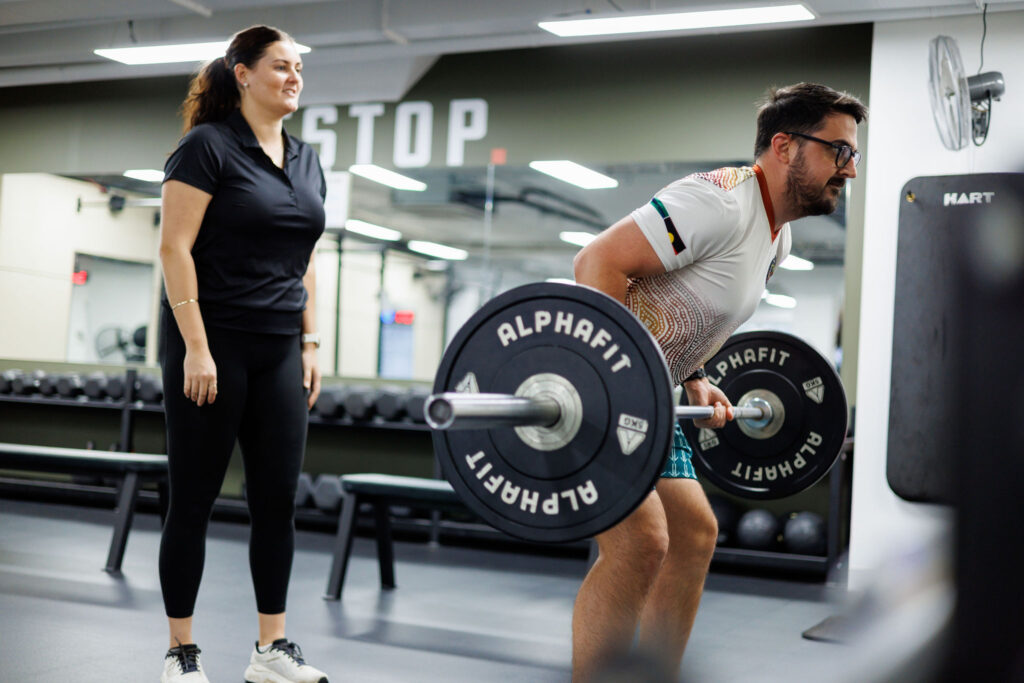
- Weightlifting
- Sprinting
Aerobic exercise
Cardiovascular conditioning! Or you would know it as “cardio” – and let’s face it, you probably hate it.
Aerobic exercise is “with oxygen” by definition.
Unlike anaerobic, aerobic is performed over a sustain period as your breathing and heart rate increase which helps keep your heart, lungs, and circulatory system healthy.
Aerobic Examples:
- Brisk walking
- Swimming
- Running
- Cycling
To put it simple:
Anaerobic
short periods of high intensity work at max effort (HIIT)
Aerobic
a level of activity that you can maintain steadily (running)
What is better for you?
A widely debated topic with both benefiting your health in many ways. But ultimately, it comes down to the individual. Ideally, you incorporate both into your training, but as life has it – not everyone has the time.
If your goal is to shed fat or build muscle… The answer is anaerobic. If you want to improve your cardiovascular health, increase stamina, and reduce fatigue… the answer is aerobic. Both help weight loss and both increase your health and wellbeing. If you’re doing one consistently, you’re doing okay.
Takehome message
Both aerobic and anaerobic exercise are great for you, and both should be regularly performed. Deciding what type of workout to choose comes down to what you’re trying to achieve. Recently, many have turned to anaerobic exercise such as HITT workouts due to the convenience, but aerobic activity has equaled benefits for your health. It is recommended you incorporate both exercises into your routine to focus on all major muscle and energy groups.
Want help reaching your goals?
As always, an Accredited Exercise Professional is here to help work towards your goals and provide the support needed to help achieve them. Fine your local Accredited Exercise Professional near you online by clicking here.