
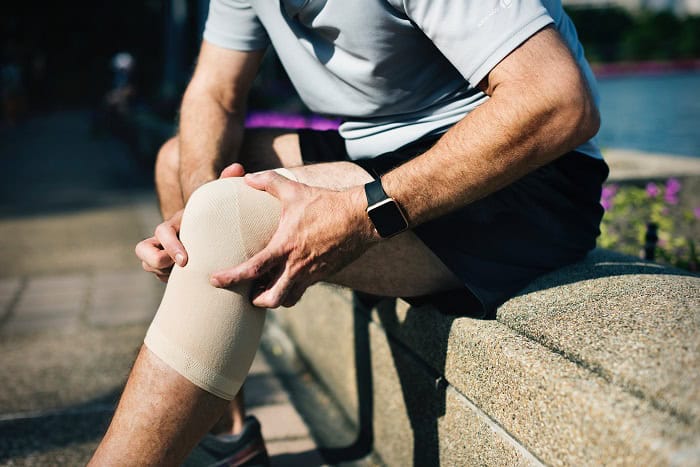


Arthritis is a broad term describing a range of inflammatory conditions affecting bones, muscles and joints. Symptoms often include pain, stiffness, swelling and redness in affected joints. Around 3.9 million or 1 in 6 Australians suffer from arthritis, with factors such as age, excessive weight, injury and genetic factors increasing the risk of developing this conditions.
Why exercise?
Regular exercise has been found to improve joint mobility, flexibility, muscular strength, posture and balance, while decreasing pain, fatigue, stress and muscular tension. It also enhances cardiovascular health and helps reduce body weight, whilst improving sleep, energy levels and psychological well-being. As a minimum, people living with arthritis should decrease sedentary behaviours and increase incidental movements.
Arthritis Australia recommends advising patients to:
- Seek medical advice before commencing a vigorous exercise program.
- Start slow. Start with less physical activity than you think you can handle. Monitor your coping and increase endurance rather than intensity over time.
- Gently warm up the joints prior to exercise to decrease pain and risk of injury.
- Finish your workout with a cool down of gentle movements and stretches to decrease the likelihood of muscular pain and joint stiffness the following day.
- Exercise duration should be decreased, and rest increased during a ‘flare’.
- Vigorous exercise should be ceased if pain becomes unusual, markedly increased or if affected joints are red, swollen or painful beyond the norm.
- Avoid running and jumping, excessive squatting (e.g. gardening – use a stool) or prolonged static standing on hard surfaces.
What type of exercise?
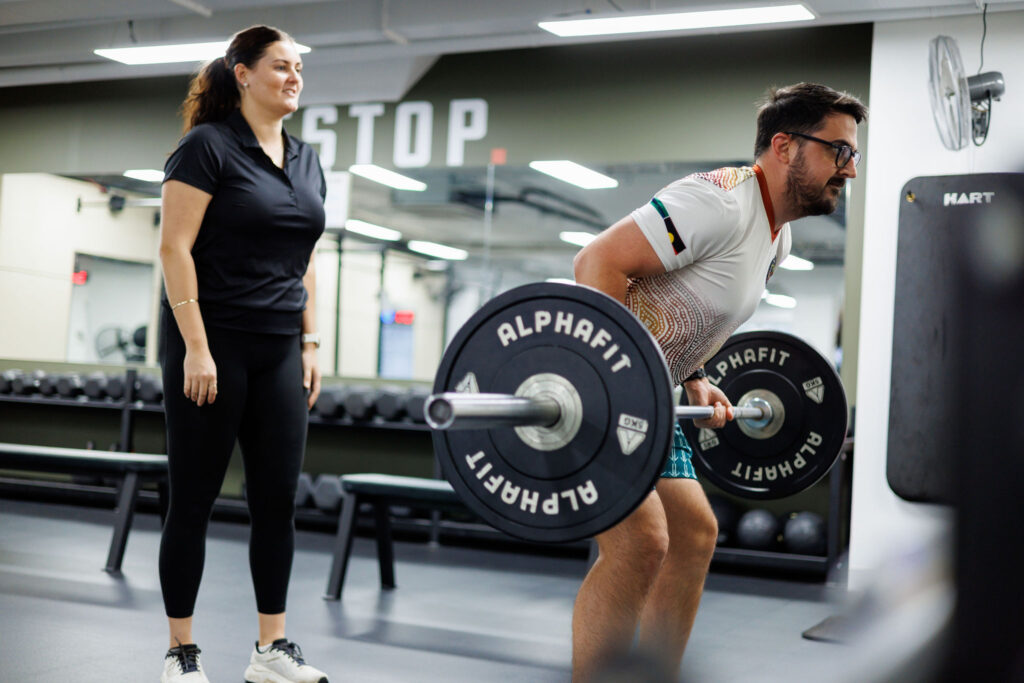
An Accredited Exercise Physiologist can tailor an exercise, lifestyle and behavioural program for the prevention and management of arthritis. Exercises may include:
- Aerobic exercise– e.g. walking or cycling.
- Water based – e.g. Hydrotherapy or aqua aerobics.
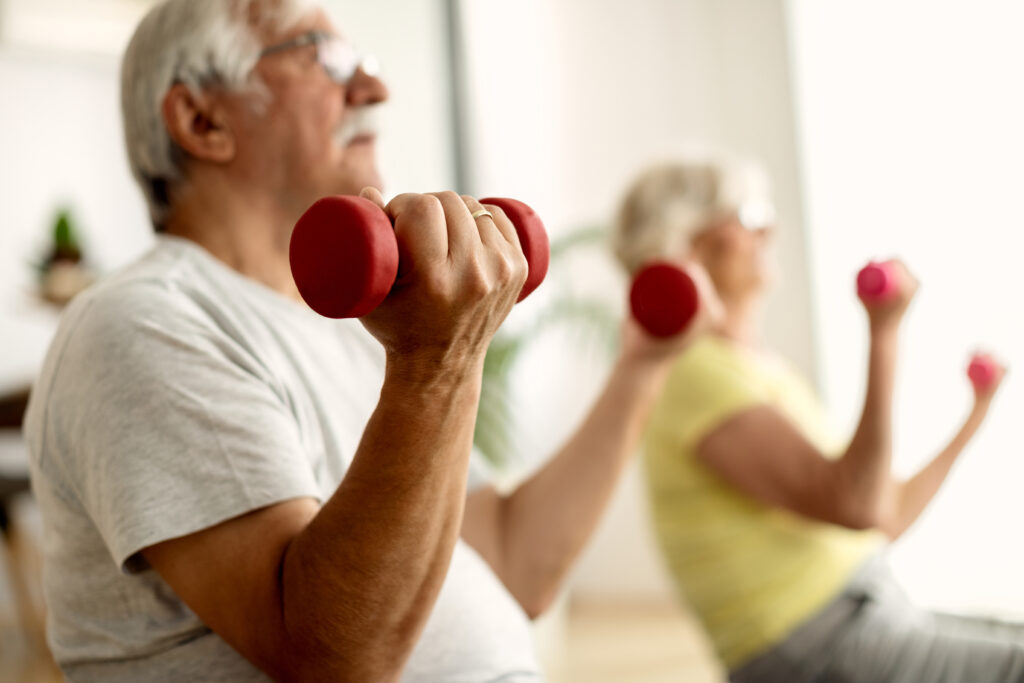
- Gentle strengthening – e.g. sit to stands or calf raises.
- Gentle stretching – e.g. standing calf or seated hamstring.
- Balance training – e.g. Tai-Chi.
If you want to learn how to exercise right for arthritis, Click here to find an Accredited Exercise Physiologist near you.