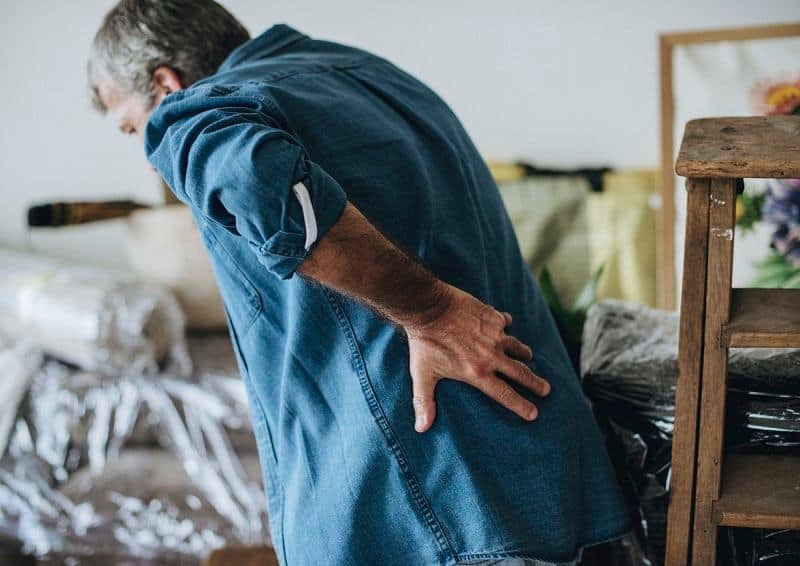

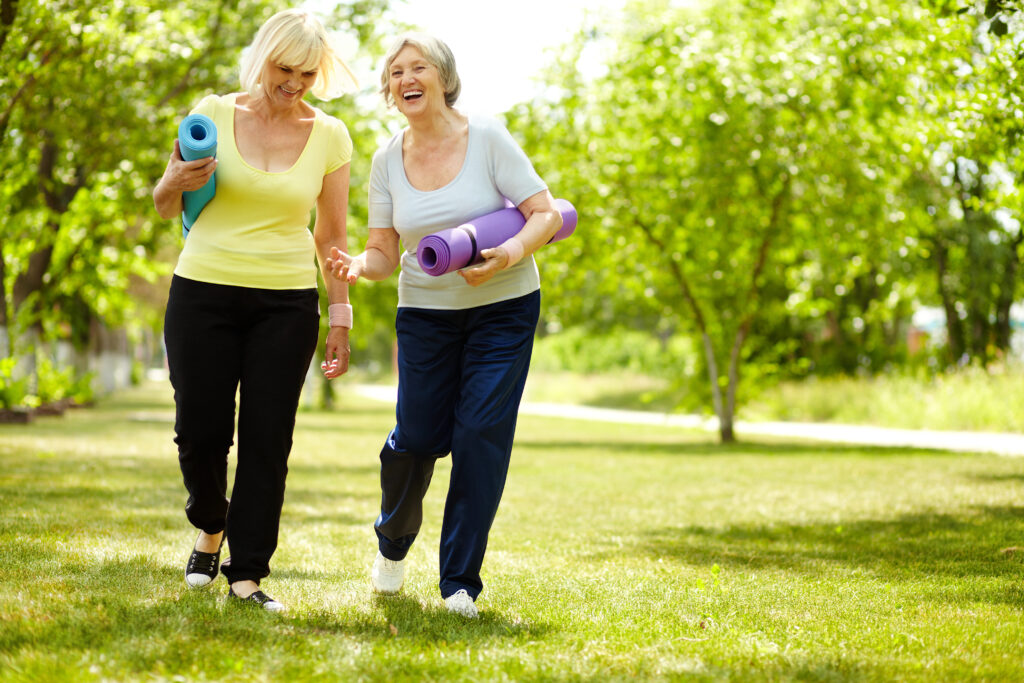


Losing some of our balance is part of the ageing process. This can become a problem for older adults, making them more susceptible to falls and injury. The good news? Exercise and balance training can help to prevent falls.
What causes falls?
Frequent falls can not only lead to injuries, but can also hinder one’s ability to live independently. Although losing our balance appears to be the number one cause of falls in older adults, we can start to have falls for a number of reasons. Some of these include:
- Loss of lower limb strength/sensation
- Cognitive impairments/slowed reaction times
- Multiple medications
- Poor eye sight
- Poor grip strength
The good news? Exercise can help!
Although exercise may not be able to improve things like eyesight, it can significantly improve your strength, body awareness and help improve your cognitive ability!
Exercise alone has been shown to effectively prevent falls when delivered to people within the community. The amount of risk reduction and rate of falls reduction has been shown to be anywhere between 20% – 35% with the introduction of a balance and strength program.

What types of exercise and how much?
The CSIRO & Exercise & Sports Science Australia recommend completing at least 2 hours of structured exercise per week for the prevention of falls. This exercise should not only include balance exercises, but also some strength training! This also doesn’t mean that 2 hours has to be done in a single session. Do what works best for you. It may be 20 minutes of training everyday of the week, 30 minutes every second day, or an hour of exercise completed twice a week.
Balance Training
Balance training should be of a difficulty that poses a challenge and may cause one to lose their balance, but does not place them at risk of having a fall. Some balance exercises may include:
- Standing on unstable surfaces
- Adapting and holding difficult postures
- Functional exercises like step taps
Strength Training
A decrease in lower limb (and even upper limb) strength has been identified as a risk factor for falls. It’s therefore important to train for strength too. It’s never too late to start lifting weights! Strength training may include using your own bodyweight, bands, weights and cable machines to provide resistance. We can even often target strength and balance with the same exercises. Win-win!
Exercise to Avoid
Interestingly, those people who are susceptible to falls and already have frequent falls aren’t recommended to walk as a form of exercise. Walking increases the exposure and chance that we may catch our foot on one of those sneaky cracks in the pavement and fall. Research suggests it’s best to get balanced and strong again before heading out for a stroll.
Other benefits of exercise
Although exercise is a fantastic way to decrease your falls risk, there are more benefits! You can improve flexibility, manage weight, and reduce your risk of developing chronic conditions like cardiovascular disease, diabetes and osteoporosis. Regular physical activity can also improve your mental health.
Who should I see to get an exercise program?
The best place to start is to see your local GP. They may refer you to an allied health professional, like an Exercise Physiologist, to help manage your individual situation. Exercise Physiologists are university educated health professionals whom use exercise in acute, sub-acute and chronic medical conditions to help manage and improve your condition/s. Click here to find one near you!

Elliot McGeary is an Accredited Exercise Physiologist at Bellarine Sports Medicine Centre
More information?
https://onlinelibrary.wiley.com/doi/abs/10.1046/j.1532-5415.2001.49115.x
http://www.publish.csiro.au/NB/NB10056
https://www.essa.org.au/wp-content/uploads/2015/10/Ex-Falls-Prevention-in-Older-People.pdf
https://www.betterhealth.vic.gov.au/health/healthyliving/resistance-training-health-benefits