


If you wake up and coffee is the only thing on your mind… You’re not alone.
Coffee is a way of life for most and helps many of us get through the day. A bonus is a lot of us genuinely love it as well! So much so that three in four Australians (75%) enjoy at least one cup of coffee per day.
Whether you are fighting off fatigue at work, being social with friends or just indulging in the enjoyment it has to offer, coffee is seen almost everywhere.
We know what you’re thinking… Surely coffee can’t get any better?
What if I told you that research suggest that coffee can actually help you reach your peak physical performance as well?
Take my money!
Coffee can be a safer alternative to a lot of supplements and a natural way for your body to find energy.
So, let’s delve deeper into our cup of joe.
What is in coffee?
Coffee contains one key ingredient that helps benefit our performance – caffeine.
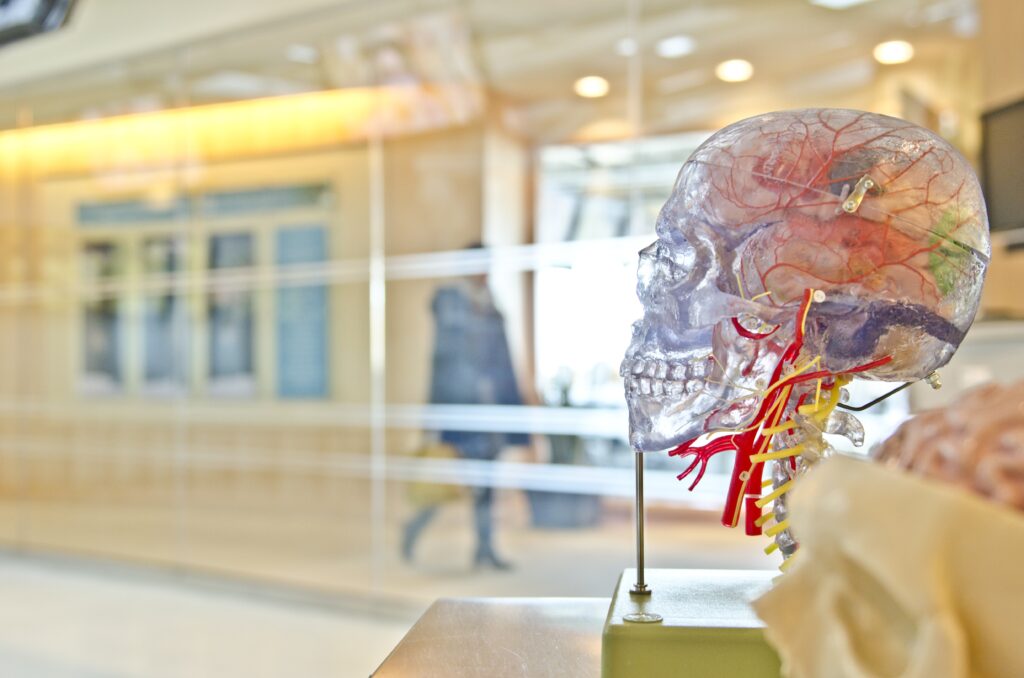
Caffeine is a natural stimulate and works by fueling the brain and central nervous system, helping you stay alert and prevent the onset of tiredness.
How it works?
It stimulates the brain by blocking the effects of neurotransmitter adenosine.
Neurotransmitter adenosine is what relaxes the brain and makes you feel tired. Adenosine levels build up over the day, making you increasingly more tired. Caffeine helps you stay awake by connecting to adenosine receptors in the brain without activating them. This blocks the effects of adenosine, leading to reduce tiredness.
Why should you use caffeine to exercise?
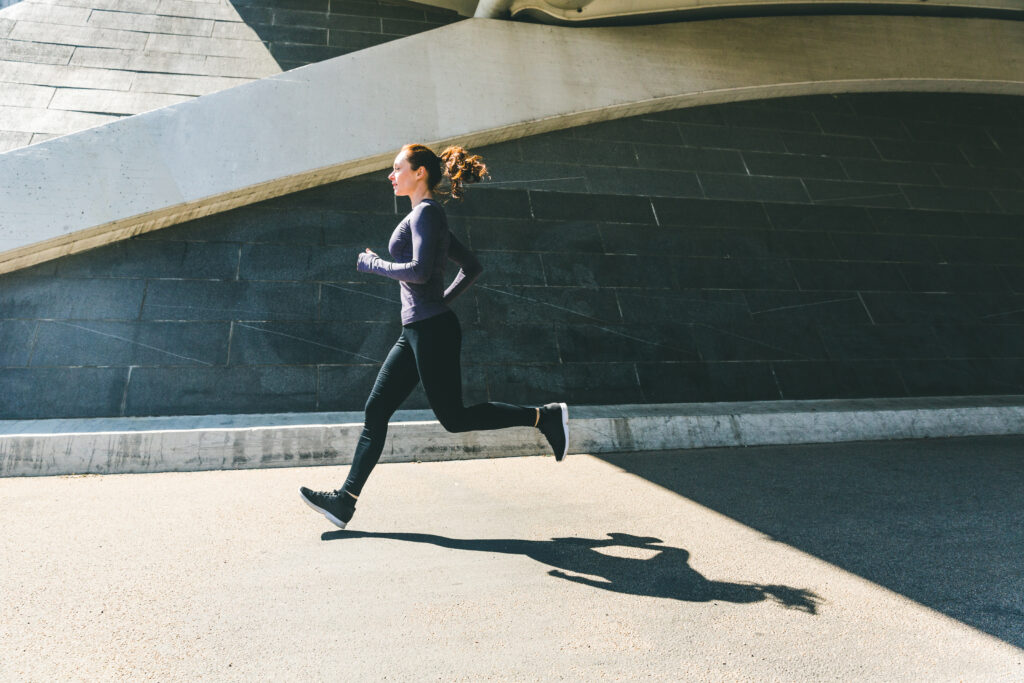
Research suggests that caffeine helps improve physical performance during both endurance and high-intensity exercise. It is found to enhance mental and physical performance in a variety of exercise examples including aerobic and anaerobic performance and muscular strength.
In fact, coffee may be a safe alternative to pre-workout and here’s why.
7 ways coffee enhances performance:
The nervous system: Caffeine activates areas of the brain and nervous system to improve focus and energy, while reducing tiredness.
Hormones: Epinephrine (adrenaline) is the hormone responsible for the “fight or flight” response, which can increase performance.
Fat burning: Caffeine can increase the body’s ability to burn fat via lipolysis, or the breakdown of fat in fat cells.
Endorphins: β-endorphins can increase feelings of wellness and give you the exercise “high” that people often experience after working out.
Muscles: Caffeine may impact the motor cortex, which is a part of the brain that signals muscle activation.
Body temperature: Caffeine has been shown to increase thermogenesis, or heat production, which helps you burn more calories.
Glycogen: Caffeine may also spare muscle carb stores, primarily due to increased fat burning. This can enhance endurance performance.

Know your limits
Small amounts of caffeine can help improve your performance but taking too much can lead to the opposite.
We all have different caffeine tolerances and you never want to exceed your limit. Doses of caffeine are usually based on body weight. It is recommended that caffeine is effective to enhance performance when consumed in low-to-moderate dosages (3-6mg per kg).
Start low 1.5-2mg to assess your tolerance and you can increase pending how you feel while you train and your recovery. It is recommended you take your dosage roughly an hour before you start to train for optimal performance.
Want to step in the right direction?
If you want to seek any advice on training and ways to improve your performance, your local Accredited Exercise Professional can help! They can prescribe training advice that will help better your performance and achieve your goals. To find an Accredited Exercise Professional near you, click here.

The Nike Run Club gives you the guidance, inspiration and innovation you need to become a better athlete. Join Nike Run Club to reach your goals and have fun along the way. Download to get started.

We have partnered with Nike Australia Pty Ltd for this article series.
The views expressed in this article, unless otherwise cited, are exclusively those of the author, Exercise & Sports Science Australia (ESSA). ESSA is a professional organisation committed to establishing, promoting and defending the career paths of tertiary trained exercise and sports science practitioners.
Nike had no role in the collection, analysis, or interpretation of data or research or the writing of this article.