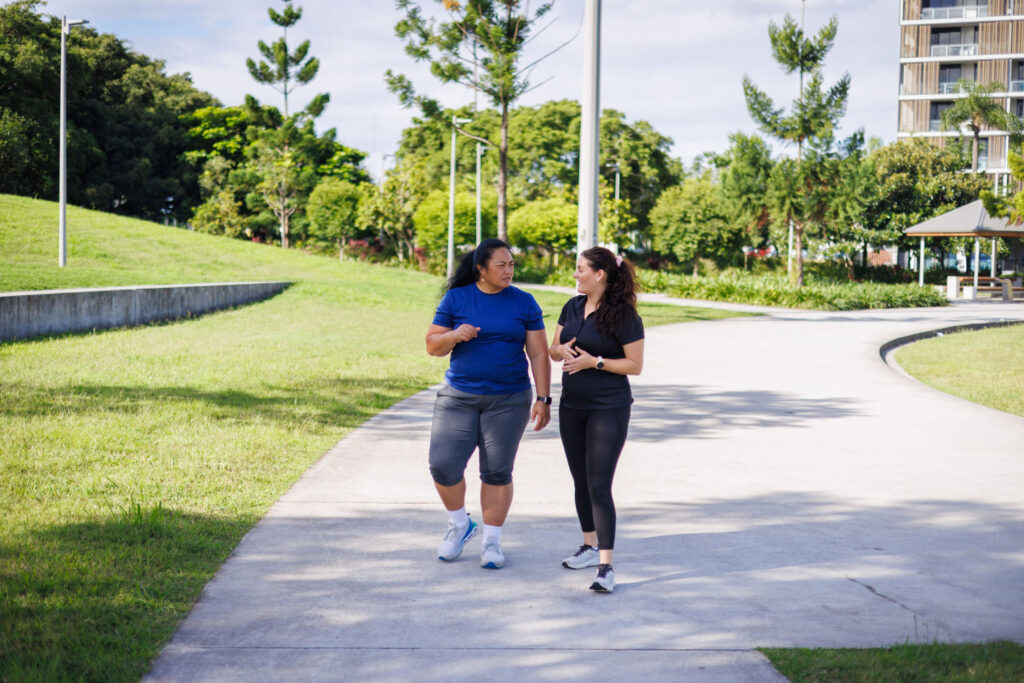



There’s plenty of research highlighting the fact that exercise is good for your mental health. But what about those recovering from drug or alcohol addiction? We asked Accredited Exercise Physiologist, Dr Bonnie Furzer, if exercise can help those living with addiction.
“It’s like a counselling session … but you don’t need to say anything”.
What is SUD
A substance use disorder (SUD) involves recurrent use of alcohol and/or other drugs leading to significant clinical and functional impairments. It’s also called substance abuse, substance dependence or addiction. It affects 1 in 20 Australians and notably, 1 in 10 young people (16 – 24 years).
For those living with SUDs, various neurobiological circuits reinforce drug taking behaviours including:
- Alterations to brain reward systems and thresholds;
- Incentive salience (i.e. motivation for rewards based on physiological state and prior learned actions linked to a reward cue);
- Within-system neuroadaptations and emotional dysregulation including stress sensitisation;
- Impaired inhibitory control;
Continuing to use substance/s leads to further dysfunction, which reinforces drug taking behaviour and increase the vulnerability for treatment relapse.
Treating SUDs
Whilst SUD treatment programs vary, they generally focus on the primary goal of abstinence or harm minimization. This is commonly achieved by treating the physiological, psychological, and sociological problems contributing to SUD in each individual. Unfortunately, for both adults and young people, rapid relapse is the norm. Low rates of continuous abstinence and recurrent relapse are associated with substantial health and economic burden for both the individual and communities.

Can exercise to help to treat addiction?
Exercise interventions are emerging as an innovative approach to improve recovery for those living with SUDs. Research has demonstrated feasibility and effectiveness in terms of both physical and mental health benefits in varied SUD groups. Exercise programs should be low-cost, readily accessible, enjoyable and tailored to participants’ preferences.
Evidence for exercise
Research has demonstrated positive effects on substance-related outcomes including:
- Reducing alcohol consumption and urge to drink
- Improving abstinence
- Improving treatment experiences of youth
Unsurprisingly, given the well-established benefits of exercise more broadly, improvements in physical and mental health have also been reported. These include improved well-being and sleep quality, reduced depression and anxiety, and elevated quality of life, mood, and motivation (4,5).
There are likely multiple factors leading to the beneficial impact of exercise including: behavioural factors (e.g., substituting exercise for unhealthy behaviours such as substance use); psychological factors (e.g., improved wellbeing); and neurobiological factors (e.g. activation of reward pathways in the brain) (4).
Where to now?
Despite the well-established health outcomes and emerging evidence of specific SUD recovery related outcomes, tailored exercise programs aren’t currently part of standard care within SUD treatment. We need more research to better understand how exercise can support successful SUD treatment and how best to incorporate programs into SUD treatment services.
If you want to know how to safely incorporate physical activity into your life, talk to an expert. An Accredited Exercise Physiologist (AEP) can use exercise to help improve your mental health and physical well-being. To find an AEP near you, click here.
Written by Dr Bonnie Furzer (PhD). Bonnie is an Accredited Exercise Physiologist and Lecturer at The University of Western Australia (School of Human Sciences), and director of Thriving Exercise Rehabilitation Inc.