

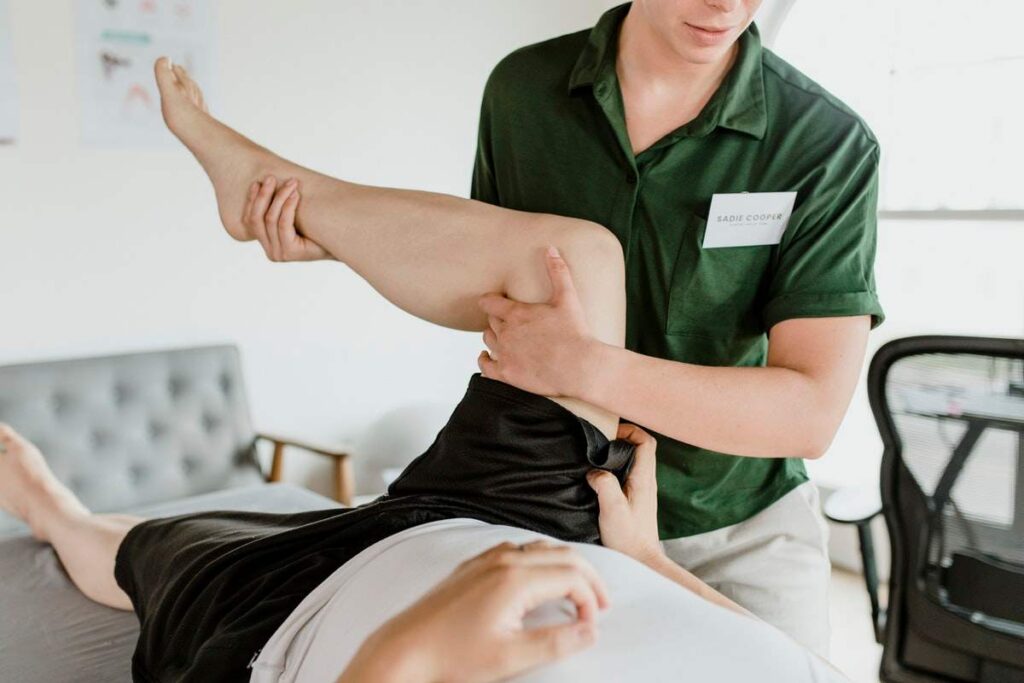


Regular exercise can be a daunting concept for many. But for those that have Psoriatic arthritis, or other conditions affecting the joints, it can be particularly challenging. We asked Accredited Exercise Physiologist, Rhianne Kerr, to explain how those living with Psoriatic arthritis can exercise safely and get the most out of life.
The challenges of exercising with Psoriatic arthritis
Watching people at the gym in aerobics style classes, or seeing people pounding the pavement may cause a few concerns (and perhaps some sympathy pain!) if you suffer from joint pain. Joint pain can become quite debilitating for those with Psoriatic arthritis, so it’s normal to feel a little worried. With so much conflicting information out there, it’s also normal to feel confused! What types of exercise will be helpful as opposed to harmful? What is safe for me? How can I get started?
I understand that it can be incredibly frustrating to feel that you can’t exercise or be active because of your condition.
The main thing to understand when it comes to exercise though, is that it doesn’t always have to be high intensity, involve heavy weights or be at high speed to achieve great results. In conjunction with treatment from your Rheumatologist, exercise is actually a great and safe way to help you manage Psoriatic arthritis.
Read more: 10 important messages for those living with chronic pain
How exercise can help
There’s lot of ways that exercise can improve life for those living with Psoriatic arthritis. Some of these include:
1. Resistance training can help your joints
In many conditions affecting the joints, a great way to reduce the loading through the affected joints is by strengthening the muscles around the joints. Resistance-based exercises that improve strength in specific areas are a fantastic way to create more support around the joint by stabilizing and strengthening the structures around it. For example, strengthening your thigh muscles may help you move with more ease and to make the stairs easier to tackle!
2. Mobility is a great low impact option
Mobility exercises are also a fantastic way to ensure that your body can keep moving and maintain a healthy range of motion. This is also a great option during a flare or when fatigue may be a factor. Mobility exercises are a great way to release tension, loosen up muscles, and to keep moving.
3. Improve your tolerance to do things you enjoy
Regular tailored exercise can improve your tolerance for your day to day activities and the stuff you enjoy! By building up your fitness and strength gradually over time, you’ll be able to achieve more. Perhaps you’ll finally be able to clean out that cluttered spare room or even tidy the garden shed! Even on those painful days, you may find that the essentials are achievable because you have a good base of fitness and strength.
For example, if you can normally lift a whole basket of wet laundry quite comfortably, on a “bad day” you may split it into 2 baskets. On the other hand, if you have a lower baseline and normally only lift half a basket, then on a “bad day” you may find that even a few items in the basket is still too much to manage.
Read more: What you didn’t know about exercise & osteoarthritis

Top Tips to exercising with Psoriatic Arthritis
Want to know how to get started? Here are a few things you need to consider:
1. Give yourself options!
There’s no one single way to exercise. It’s nice to keep this in mind when going through a flare or when joint pain is really impacting you. Having options stops the mindset of “I can’t do anything” and can keep you going when things get hard. Low impact exercises such as walking, swimming, Pilates or cycling could be an alternative to your usual gym classes or bootcamps. Stretching and mobility exercises are also fantastic ways to keep the body moving whilst giving the joints a bit of relief. There are so many ways to exercise, and it’s important to find safe and enjoyable exercises that work for you.
2. It’s not the Olympics
Unless you’re training for the Olympics, you don’t need to be pushing yourself to the limits each and every day. And even then, Michael Phelps and Usain Bolt have light, heavy and rest days in their schedule!
During a flare or when the joints are particularly sensitive to loading, lower the load and intensity of exercises. This will help to reduce the amount of inflammation and irritation in the joints. Recognise that some days you may be able to run or deadlift 100kg and other days some simple mobility exercises may be exactly what your body needs. Having a lower intensity option as part of training is a great way to look after your joints. And just think – you’re doing what the world’s most successful athletes are doing!
3. Keep on top of the basics!
Psoriatic arthritis affects people differently and because of this, everyone’s treatment and management techniques are different. But there are some basics that apply to everyone. To keep on top of your condition and to ensure your body responds well to exercise, it’s important to stay on top of things like sleep, diet, medication, and managing your energy levels. It’s understandable that life gets in the way sometimes, however if you don’t stay on top of these key lifestyle factors, it’s likely that managing your Psoriatic arthritis will be more difficult.
Getting the right advice
Exercise is a great way to help you manage your Psoriatic Arthritis, but it’s important to get the right advice. If you’re unsure of what exercises are right for you or how to use exercise to manage your health, ask for help! An exercise physiologist with an interest in rheumatology can help you to come up with a plan and get you moving. To find an Accredited Exercise Physiologist near you, click here.
Happy training!

Written by Rhianne Kerr. Rhianne is an Accredited Exercise Physiologist at BJC Health.