


As we progress through life, our body is challenged in different ways. Menopause is no different. So, how should you adapt your exercise for menopause?
Australian women typically experience menopause between ages 50-55 years, however, it can occur in younger women secondary to surgery, chemotherapy or radiation.
With changing body composition, energy levels, hormone balance and more, it’s a period of adjustment for your body.
Why is exercise important?
A significant change that occurs in menopause is weight gain, especially around the waist. This is not only uncomfortable but also a significant risk factor for other health conditions. A woman’s risk for numerous medical conditions, including breast cancer, type 2 diabetes, and heart disease, rises during and after menopause.
Being physically active and maintaining a healthy weight can help offset these risks.
Exercise benefits women during menopause in several ways including:
- Improve sleep and reduction in disturbances experienced
- Improved mood
- Improved weight control
- Increased/maintained bone density and strength
- Reduced incidence of chronic disease (i.e. type 2 diabetes and heart disease)
- Improved quality of life
- Reduced stress
- Improved balance and falls prevention
Want to learn more about exercise & women’s health? Download our free eBook!
What type of exercise are best?
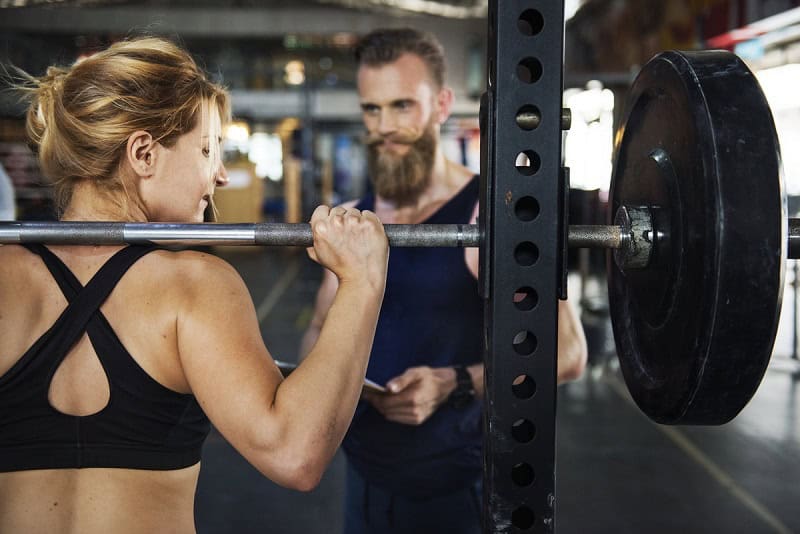
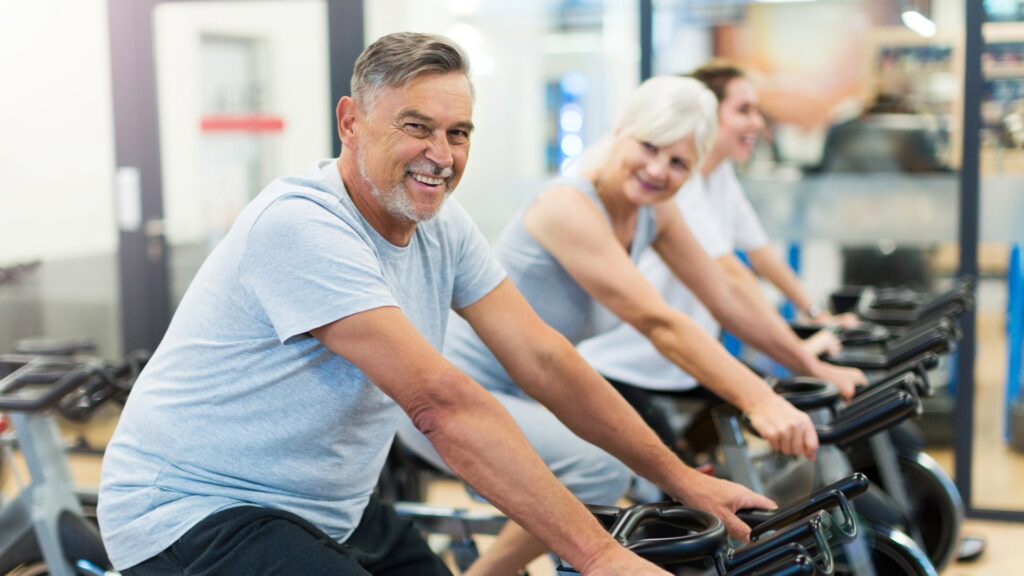
A variety of aerobic, strength, balance and flexibility exercises should be prescribed. These will help to build your exercise tolerance, improve muscle and bone strength and increase your stability.
When it comes to exercise intensity – it’s different for everyone. Ideally a moderate intensity exercise program will provide you benefits of regular physical activity.
During menopause, hormonal changes (particularly oestrogen) means that the risk of developing osteoporosis, or brittle bones, is significantly greater. This is where strength-based training is particularly beneficial. Strength exercises load your muscles, bones and joints in a safe way to build strength and prevent or slow the progression of this disease.
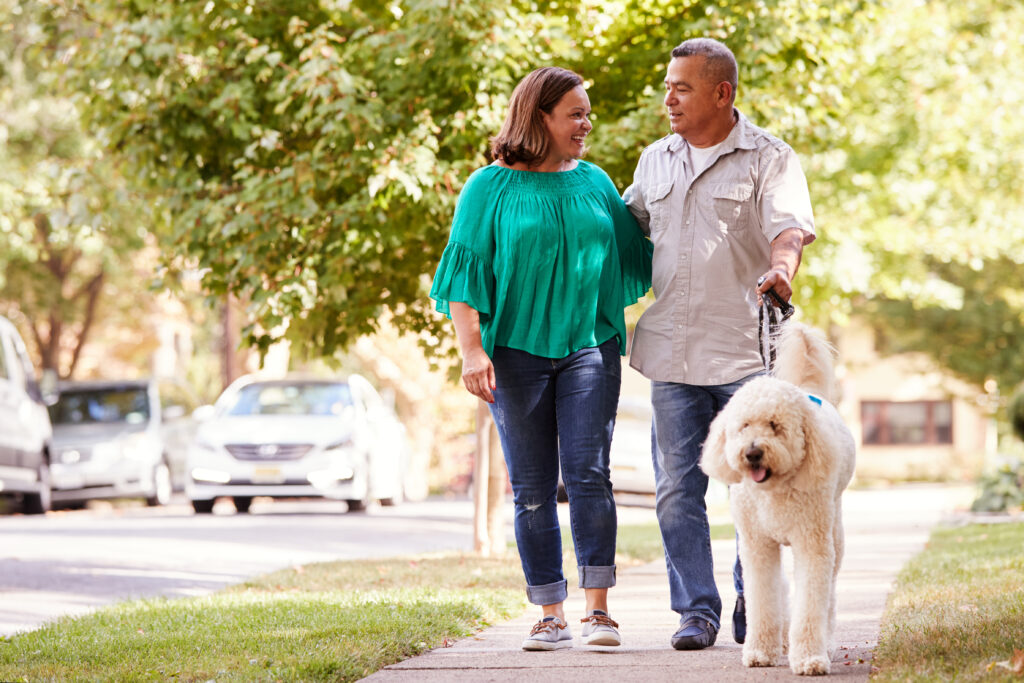
Also consider your preferences for exercise and your physical symptoms of this life stage. You might feel more comfortable exercising outside in the fresh air or with layers of clothing you can peel off as your body temperature increases (or the hot flush comes!).
Keep yourself hydrated by aiming for 30ml of water per kilogram of body weight each day. This might seem like a lot if you aren’t used to drinking a lot of water, so build it up gradually.
So, where do you start?
Talk to an exercise professional. An Accredited Exercise Physiologist will ensure the most suitable program to suit your needs and abilities. They will adopt a holistic approach to your health and well-being goals and work with you to track your progress and adjust your exercise regime to reflect your progress.
Ideally, aim for 30 minutes of activity five days per week. That’s a total of 150 minutes per week to meet the National Physical Activity Guidelines for Australian Adults. Start small and build up from there. A great way to start would be download the free Nike Run Club app, the app provides guided runs that are tailored to suit your exercise level. Your body will thank you for it!
To find an exercise professional near you, click here.