
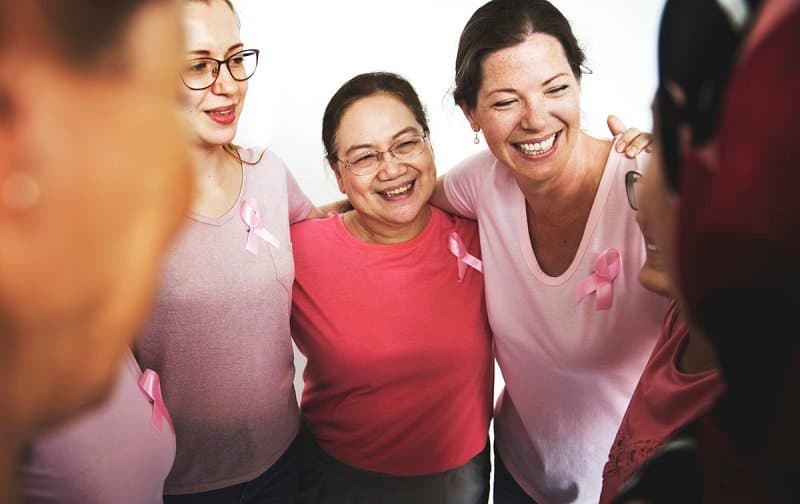


Breast cancer is the most common cancer for Australian women. It can also occur in men, although this is rare. Thanks to advances in treatment, survival rates for those with breast cancer have increased significantly over the past two decades. Today, 5-year survival rates exceed 90%.
Benefits of exercise
The impact of side effects from breast cancer treatment have been likened to rapid ageing. For example, 12 weeks of chemotherapy may lead to similar declines in cardiovascular fitness as can be seen with a decade of ageing. The good news is exercise can not only stop this decline, but it can also lead to improvements in cardiovascular fitness.
In addition to positive benefits through exercise on fitness, exercise also helps counteract adverse effects from treatment (including surgery, chemotherapy, radiation, hormone therapy, and other) on muscle strength, bone and balance, and prevents and/or reduces the severity of treatment-related side effects such as fatigue and lymphoedema.
Exercise also improves mood and one’s sense of control following breast cancer. Of particular importance, there is strong evidence that links physical activity with survival, whereby those who exercise regularly post-breast cancer are less likely to die from breast cancer and less likely for the breast cancer to come back.
Exercise after surgery
There are various surgical procedures that a person might undergo throughout their treatment for breast cancer such as biopsy, lumpectomy, full mastectomy with or without removal of lymph nodes, breast implants, and different types of reconstruction. It is important to follow the post-surgical guidelines given by the surgeon to encourage optimal wound healing.
Learn more… Download our free Exercise & Cancer eBook!

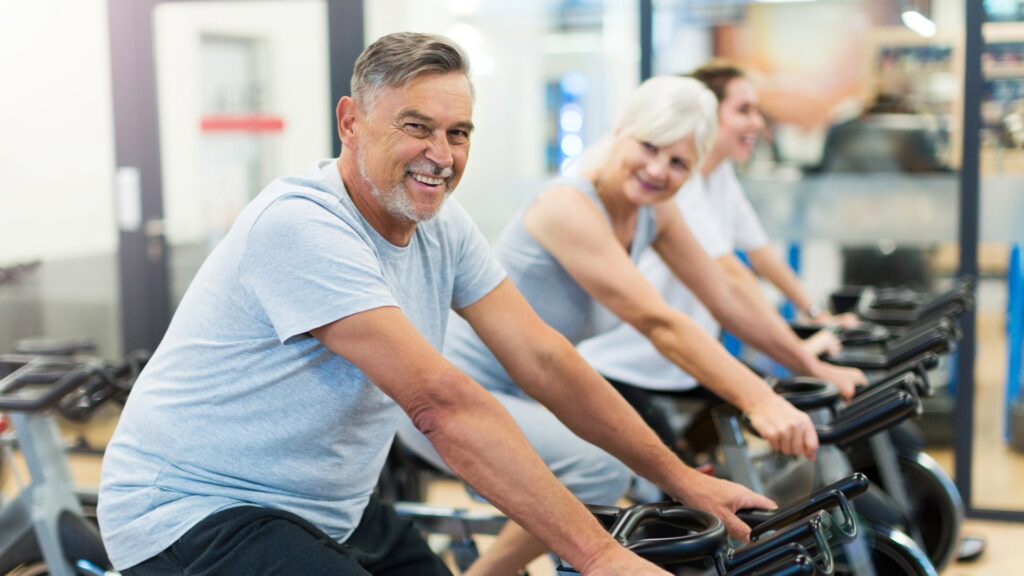
Post-operative exercises may include simple range of movement exercises. During this initial recovery phase, it is usually safe to perform aerobic exercises, such as walking and stationary cycling, but in some instances, one may be told to avoid sweating. An Accredited Exercise Physiologist (AEP) may also prescribe lower body strength and balance exercise once it is safe to do so.
Once cleared by a surgeon, usually 6 weeks post-operation, it is advised to continue to work on regaining arm range of movement, and to gradually build strength and cardiovascular fitness.
Lymphedema and exercise
Lymphedema can be a much-feared side effect of breast cancer surgery, particularly when lymph nodes have been removed. When prescribed correctly and gradually, exercise, even at high intensity, has been shown to improve lymphoedema-associated symptoms, without any negative effects on lymphedema. In fact, movement is an important management tool of lymphedema as the pump effect of the muscles, blood flow and pressure changes that come with breathing helps move the lymphatic fluid around. An Accredited Exercise Physiologist can help with this.
Types of exercise recommended
Various modes of exercise provide different benefits to people with breast cancer:
- Aerobic exercise – benefits body composition, cardiovascular fitness and heart health.
- Resistance exercise – benefits body composition, strength and bone density.
- Balance exercise – improves balance and side effects of peripheral neuropathy.
- Core strengthening – especially important if breast reconstruction involves the abdominal muscle.
- Range of movement/flexibility exercises – particularly for regaining arm and shoulder range of motion.
It is very important to seek the advice of an Accredited Exercise Physiologist if any of the following is present:
- Bone metastases;
- Lymphedema;
- PICC line (catheter); and/or
- Movement issues.
Learn more… Download our free Exercise & Cancer eBook!
Important things to remember
- Do not increase weight/loads too quickly. One should be guided by symptoms and how they feel after their last exercise session when progressing exercise over time.
- Avoid guarding behaviour, such as rounding shoulders and not moving the arm on the effected side. This can lead to shoulder impingement syndrome or frozen shoulder.
- Fatigue levels fluctuate, especially during treatment. Exercise to tolerance and monitor recovery.
- Stop exercising if symptoms of a heart problem develop; shortness of breath, chest pain, swelling in neck or ankles.
- If peripheral neuropathy is an issue, minimise tripping hazards.
- If unusual swelling develops (e.g., at the operation site, in the arm, shoulder, chest or breast), this should be discussed with a member of the cancer team or GP.
- Speak to an Accredited Exercise Physiologist. An Accredited Exercise Physiologist will perform a thorough assessment in order to prescribe the correct mode and intensity of exercise that is specific to the needs of the person and progress the exercise program in the most safe and effective way.

Expert Contributor: Dale Ischia, Accredited Exercise Physiologist, Melbourne Exercise Physiology Group and Moving Beyond Cancer