


Sick of spending money on fuel and time waiting around for the bus?
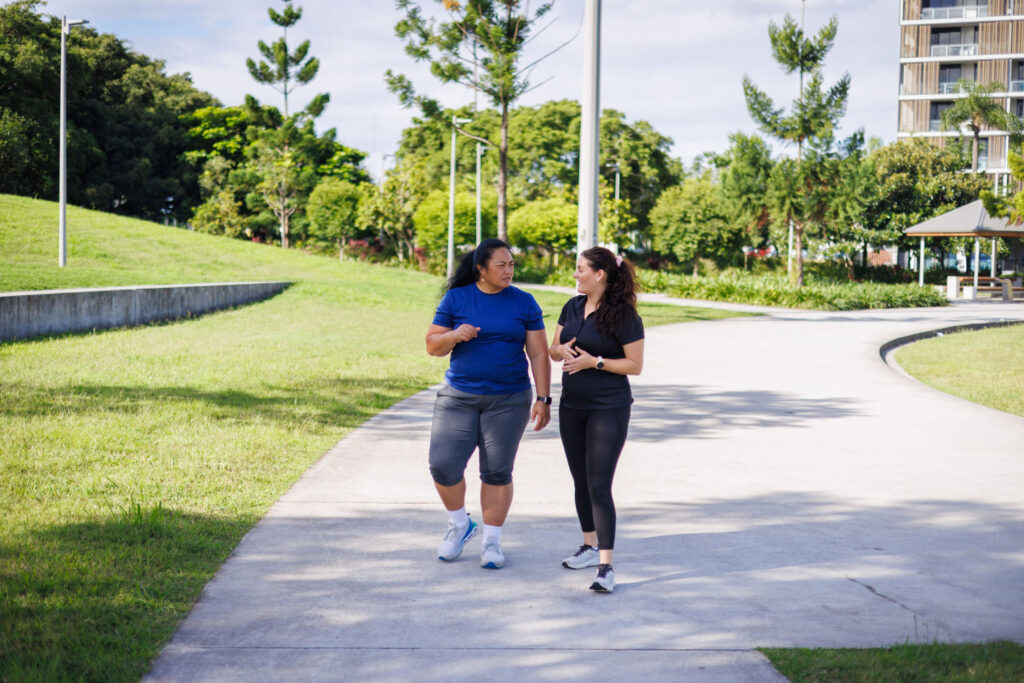
Well it might just be time to put on your joggers because research suggests that walking with a purpose is much more effective than walking for leisure.
Walking to run an errand, go to work or get to an appointment is much more effective than going for an afternoon or morning stroll. It not only makes people walk faster but makes them consider themselves a healthier individual overall.
The study found that those who walked to places such as work, the supermarket or any appointments from their homes, and made a regular habit of it, reported better health than people who walked for leisure.
Walking with a purpose is also an easy way to ensure you regularly get your 10,000 steps in, while saving extra cash.
An additional 10 minutes of walking per trip increased that person’s odds of having a higher health score by six per cent.
Step up the pace
Walking with a purpose averages 4.3 kilometres per hour, compared to 4.1 kilometres per hour for recreational walking.
Accredited Exercise Scientist, Mitchell Finn explains how walking faster has shown to have a number of health benefits such as:
- Raised heart rate to the moderate-intensity zone
- Increased flexibility of muscles and joints
- Building stronger bones
- Slowing down osteoporosis
- Enhanced mood
- Improved balance
If moderate-high intensity walking isn’t right for you, interval walking is a great alternative. Interval walking is a form of exercise involving alternating intervals of fast and slow paced walking. Mitchell explained, “Interval walking has superior gains for increasing fitness, decreasing body fact and decreasing blood glucose”.
Added benefits of nature
Walking amongst nature and greenspace positively affects physical health and mental well-being.
Taking a slightly longer route and walking through a park on your way home from work may be one way to get fresh air and walk with a purpose. Studies show walking in greener spaces are particularly powerful to reduce stress and improve immune, cardiovascular and respiratory system function.
What this means
Walking with a purpose can be easily implemented for short distance trips by swapping public transport or your car with walking.
“That means going to a gym or a recreation centre aren’t the only ways to exercise,” Mitchell said. “It’s an opportunity to put active minutes into our daily schedules in an easy way.” Mitchell shares some tips for getting started:
- Build more purpose by parking further from stores when running errands
- Make a conscious effort to get up 10 minutes earlier to walk to the train or bus instead of driving.
- If you have a dog, aim to take it on a walk each day
- Be realistic if you’re new to walking, aim to walk just twice a week and build up each time.
- Set goals of walking slightly more during each walking session
- Begin to vary your walks for more intensity, like including hills or picking up the pace at set periods as mentioned above.
If you need help to get started sign up to the 10,000 Steps program.
Or if you’d like to get some professional advice, see an Accredited Exercise Physiologist or Accredited Exercise Scientist.
Click here to find one near you!