

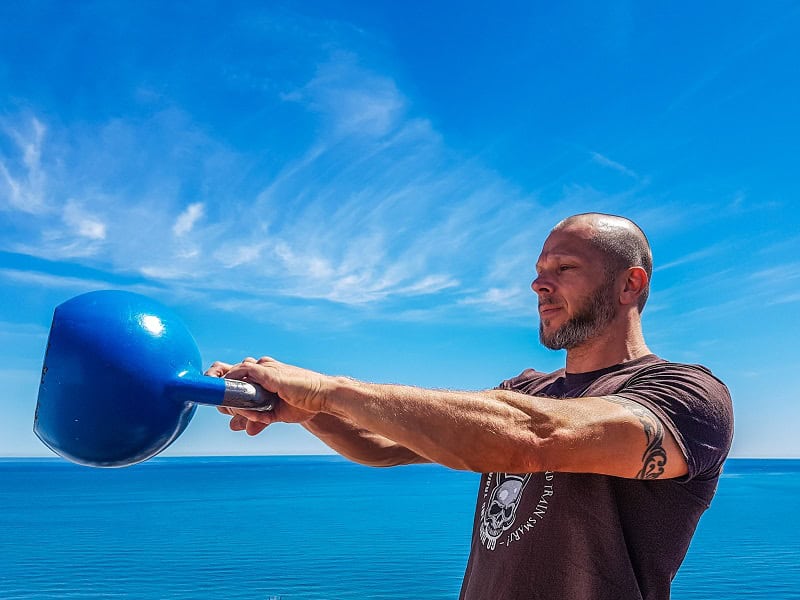


November brings with it the return of the “mo”. “Movember” sees the nation band together to raise funds and awareness for men’s health. The sad reality is that Aussie men aren’t exercising enough, and it’s having huge impact on both their physical and mental health.
So, let’s look at the stats on men’s health:
- Men have a life expectancy of approximately four years less than their female counterparts
- Men have a higher mortality rate from most leading causes of death
- Seven out of ten Australian men are overweight or obese
- Compared to women, men visit the doctor less frequently & have shorter visits
- One in seven Australian men experiences depression or anxiety (or both) in any given year
- Approximately half will experience a mental illness over their lifetime
- Suicide is the leading cause of death for males aged 15 – 44
- Men are three times more likely to take their own life than women

What’s exercise got to do with men’s health?
Well, everything! “An active lifestyle is the most powerful way for a man to remain healthy. We know that regular exercise is one of the most effective ways to reduce and manage many chronic conditions and improve mental health, and that’s what makes it so vital for a healthy body and a healthy mind,” explains Accredited Exercise Physiologist, Daniel Berkelmans.
Despite the positive impact of exercise on both physical and mental health, Aussie men aren’t moving enough! More than half (51%) of Australian males don’t get the recommended levels of physical activity. This HAS to change!
How much exercise is enough?
Ok, let’s break this down. The Department of Health recommends that adults accumulate at least 150 minutes of moderate to vigorous physical activity every week, including at least two strength sessions. That might seem overwhelming, but when you think about it, it’s only 30 minutes five times per week. Still too hard? Try doing 3 x 10 minute sessions every day and eventually build up. Remember something is ALWAYS better than nothing.
Exercise right’s tops tips to get moving:
Exercise doesn’t have to be a chore, and every little bit counts. Here are our tips for increasing your activity levels this Movember:
- Grab a mate – working out with others increases adherence
- Take the stairs instead of the lift
- Park further away from work
- Take a “walking meeting” to reduce time spent sitting at work
- Join a team – sports are a great way to stay motivated
- Get off the bus/train a couple of stations earlier
- Just move – even if it’s just 10 minutes – every little bit counts
As always, exercise should be conducted under the guidance of an exercise professional, especially if you have any health concerns, chronic conditions or are new to physical activity. Find and contact your local Accredited Exercise Physiologist here.
Need help? Here are some great resources:
Lifeline 24hr helpline: 13 11 14
Beyond Blue: https://www.beyondblue.org.au/about-us/contact-us
Movember Foundation for Men’s Health: https://au.movember.com/