


All right Guys, it’s time for older men to talk about exercise!
As we age, it becomes more important than ever to get and stay active. However, I’m often asked by older men visiting the clinic how to get active.
What do I need to consider in my man movement plan?
Whether your goal is to shred the ‘dad bod’, get into peak condition, keep up with the kids or grand kids, improving your health or addressing a health condition. There are many factors to take into consideration when building your Man Movement Plan.
According to the World Health Organisation, exercise regimes should consist of at least 150 minutes of moderate intensity exercise per week, and further studies indicate a combination five-exercise types should be incorporated in your movement strategy.
1. Cardio
Moderate intensity cardiovascular activities such as brisk walking, jogging, cycling or swimming help to establish a foundation level aerobic fitness, improve heart, lung, metabolic and mental health. Aim for an accumulation of 30 mins most days.
2. Strength
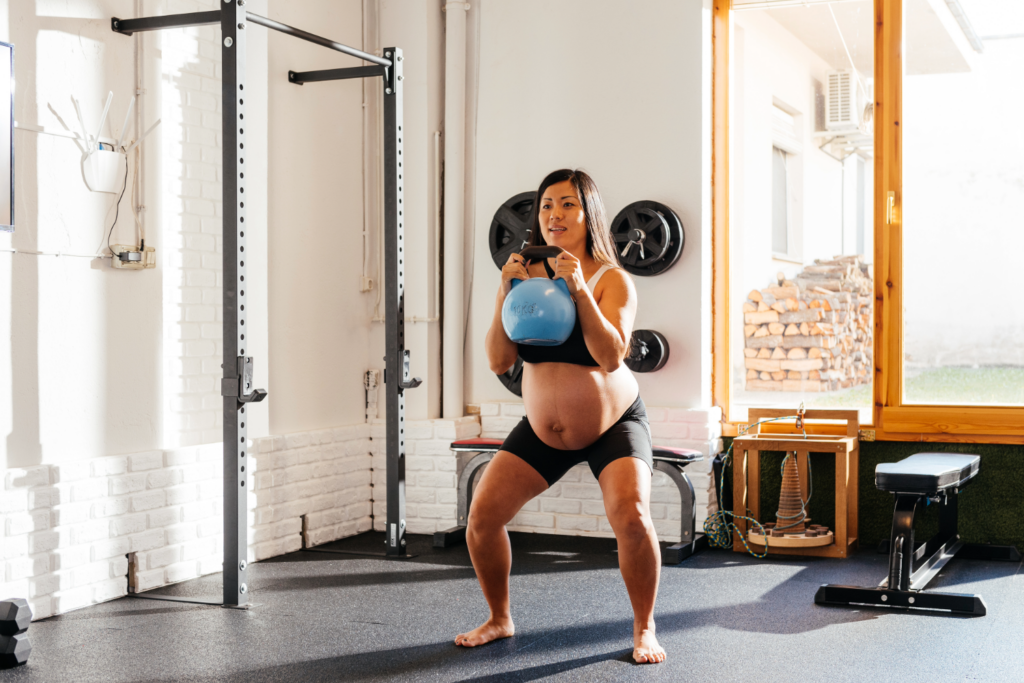
No equipment, no worries. Bodyweight exercises like squats, push-ups, or step ups will help to increase muscle tone, maintain sound strength, build bone density, maintain a healthy weight, optimize metabolic function, and reduce the risk of injury, falls and fatigue. It is recommended a minimum of two sessions per week be conduct to achieve the benefits of this training.
3. Core strength
Be sure to include core! Core strength is more than just working on the six-pack. These muscles support the spine through flexion, extension and rotation, and incorporate the pelvic floor. Learning how to properly engage and activate these muscles daily will help to prevent injury during daily activity, prevent incontinence, boost sexual health, and improve pelvic stability.
4. Flexibility
Incorporating stretches and mobility based exercises daily, and the occasional yoga class will help to keep your body supple, mobile and assist in preventing injury as we age.
5. Balance
Balance exercises are so important for older men over the age of 55 to help enhance pro-prioception awareness, coordination, maintain muscle activity and tone, and prevent against falls and the resulting injuries.
How to get started
- Before starting an exercise routine, talk to your doctor, complete your health checks and receive a medical clearance.
- Seek a referral to an Accredited Exercise Physiologist, as they can assist with developing a tailored exercise program suited to you.
- Look to incorporate opportunities for incidental exercise. Whether it be walking the dog, regular breaks from screen time at the office in front of the computer or in the commercial breaks whilst watching TV.
- Recovery is just as important as working out. Be sure to balance the placement of your training sessions, maintain sound nutrition and hydration and get plenty of sleep.

Author: Accredited Exercise Physiologist, Josh Tree