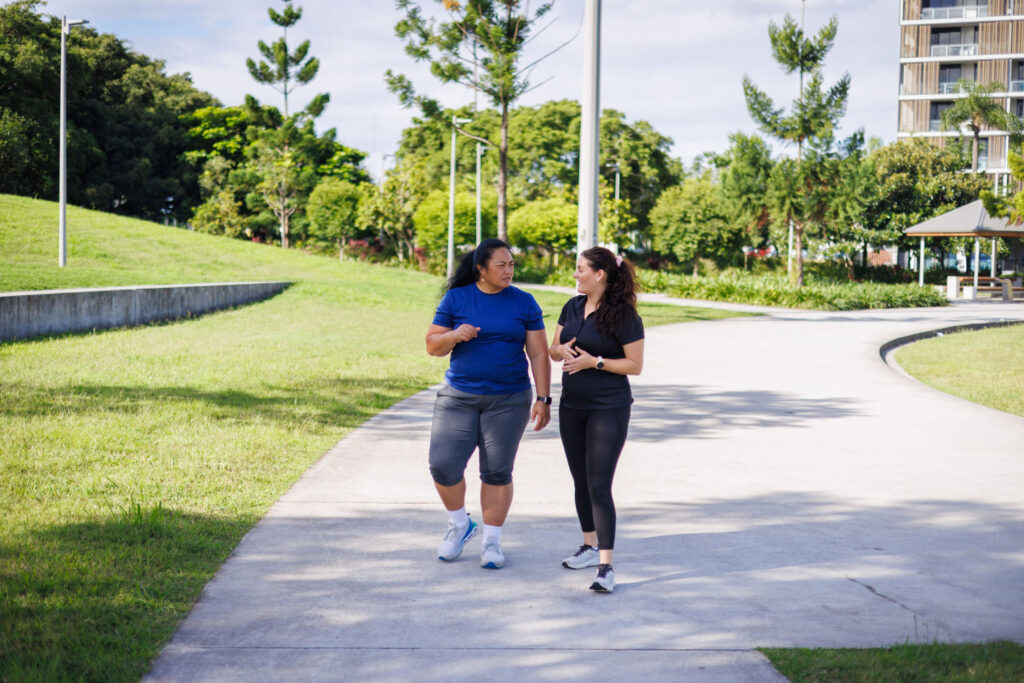



Lung cancer is the fifth most common cancer in Australia, and the number of new cases continues to rise. As treatments for lung cancer improve, more and more men and women are living with early or advanced lung cancer. Exercise is a vital part of this treatment…
Lung cancer occurs when abnormal cells grow and multiply in an uncontrolled way in one or both of the lungs, which are the main organs responsible for breathing. Lung cancer is also known to spread to other parts of the body including the lymph nodes, brain, adrenal glands, liver, and bones.
There are two main types of lung cancer:
- Non-small cell lung cancer (NSCLC) – about 85% of cases; and
- Small cell lung cancers (SCLC) – about 15% of cases. This type of lung cancer is typically advanced when it is first found.
In addition, there is mesothelioma, which is a rare type of cancer that affects the lining of the lungs and is usually caused by asbestos exposure.
Treatment
Common treatments for lung cancer may include:
- Surgery (lobectomy, pneumonectomy, wedge resection);
- Radiation therapy;
- Chemotherapy;
- Targeted therapy (target specific gene mutations in cancer cells); and/or
- Immunotherapy
Benefits of exercise
Exercise may seem daunting for people with lung cancer, especially if breathing is difficult while resting. However, exercise is safe for people with lung cancer and can help manage certain side effects of lung cancer treatments. This includes:
- Improve quality of life and mood;
- Reduce fatigue;
- Reduce inflammation;
- Maintain independence and ability to do everyday tasks;
- Improve ability to walk and overall fitness; and
- Increase muscle strength.
In other chronic lung diseases such as COPD (chronic obstructive pulmonary disorder), aerobic and strength exercises can help to manage breathlessness, improve sleep quality and reduce the need for hospital admission.
Below are possible time points where exercise programs can be built into a treatment plan for lung cancer.
Learn more… Download our free Exercise & Cancer eBook!

Exercise before lung cancer surgery – “prehabilitation”
Research has shown that moderate-to-high intensity aerobic exercise in the weeks leading up to lung cancer surgery may improve fitness, as well as reduce the time spent in hospital afterwards and risk of post-surgery illness. Exercise has allowed some people to become eligible for surgery who may have previously not been fit for a major operation.
Exercise after lung cancer surgery
After lung cancer surgery, exercise tolerance largely due to a change in lung function is reduced by 10-20%. It may take 6-12 weeks to return to usual daily activities but slowly introducing walking can help to improve fitness levels and speed up recovery time. Gentle breathing exercises and smoking cessation also help recovery.
Exercise and lung cancer survivorship
Improvements in treatments are resulting in more people with lung cancer living a number of years after being diagnosed, both in early AND advanced-stage lung cancer. Positive effects of exercise include:
- Improved functional ability and muscle strength, reduced shortness of breath, and improved quality of life;
- Managing ongoing side effects from lung cancer treatments; and
- Reducing the risk of other health-related issues including diabetes, osteoporosis, heart problems, anxiety/depression, and new cancers.
Learn more… Download our free Exercise & Cancer eBook!
Exercise and advanced lung cancer
Exercise for those with advanced lung cancer is achievable with guidance and pacing strategies. It can assist to maintain independence of daily activities, reduce fatigue, and improve mood and circulation.
Types of exercise recommended
It is recommended to remain as physically active as possible and avoid long periods of sitting or lying down throughout the day. Even small amounts of physical activity (like walking around the dining table) per day, is better than doing nothing at all.
At present, there is no ‘best’ exercise program for people with lung cancer and getting started may feel overwhelming. Depending on the goals of the program, types of exercise might include:
- Aerobic activities (walking, stationary cycling, swimming);
- Progressive resistance training (weights, bands, body weight);
- Balance (including tai chi);
- Breathing; and/or
- Stretching activities (including yoga).

Pulmonary rehabilitation programs are available and include exercise, how to manage breathlessness and tips on how to pace daily activity.
Group-based exercise programs can provide a supportive, safe, and enjoyable space and improves mood and quality of life.
Important things to remember
An Accredited Exercise Physiologist can help a person with lung cancer work towards meeting their goals by measuring their current fitness levels and putting together a personalised and achievable plan.
Certain side effects of treatment may warrant further caution when considering exercise. These could include:
- If the cancer has spread to the brain or bones;
- Extreme breathlessness;
- Low haemoglobin (or anaemia);
- Extreme muscle weakness;
- Changes to memory/concentration;
- Compromised immunity – avoid public swimming pools and public exercise facilities; and
- Peripheral neuropathy.
It’s important that any changes should always be mentioned to the exercise physiologist or medical team.
To find an AEP to help you to exercise during your treatment, talk to your doctor or click here.

Expert Contributor: Jane Turner, Accredited Exercise Physiologist, Sydney Cancer Survivorship Centre, Concord Repatriation General Hospital