


In a recent Exercise Right survey, ‘motivation’ was the key excuse for why Australian men aren’t exercising. This was echoed in the 2020 AusPlay Survey that said the following were barriers for adults not engaging in physical activity or sport:
- Not enough time/too many other commitments
- Poor health or injury
- Increasing age/too old
- Don’t like sport or physical activity
- Too lazy
So, if you’re wanting to start exercising, or you’d like to increase your exercise levels, but you’re coming up against these common barriers, here’s some simple tips to help you combat them:
Not enough time/too many other commitments?
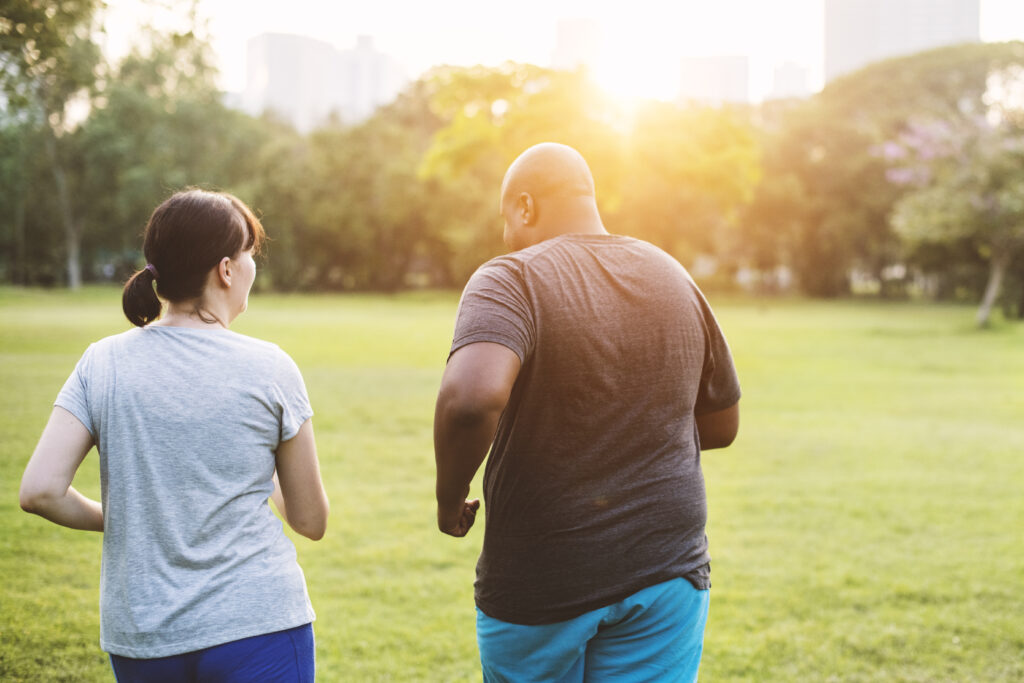
When you want to be active but feel you don’t have time, setting small goals can sometimes be the best way to sneak some sort of exercise into your schedule: go for a run for just one song; stick to 10s – 10 push-ups and 10 sit-ups every day; involve your kids with a walk in the park – then try to increase these goals each week.
Poor health or injury?
It can sometimes be daunting to exercise while living with a health condition or injury, but a way to overcome that fear is reminding your that physical activity may help to improve or manage it. However, it’s recommended you speak to an Accredited Exercise Physiologist before undertaking any exercise to ensure your safety.
Increasing age/too old?
Exercise is for everyone of all ages, and there’s a wide range of benefits specifically for older adults who incorporate movement into their lives. You don’t need to be able to run a marathon but keeping active is still important. Check out our Exercise Right for Older Adults eBook for more details.
Don’t like sport or physical activity?
Sometimes it can be hard to find a type of exercise that you enjoy but there are online resources that can show you what’s available in your area! PlaySport is a handy, online directory that allows you to search for sporting experiences near you. It’s inclusive of all abilities and ages with 300+ sport and activity types from Abseiling to Zumba.
Click on the Men’s Health Week Playlist to find local events and sports associated with Men’s Health Week!

Too lazy?
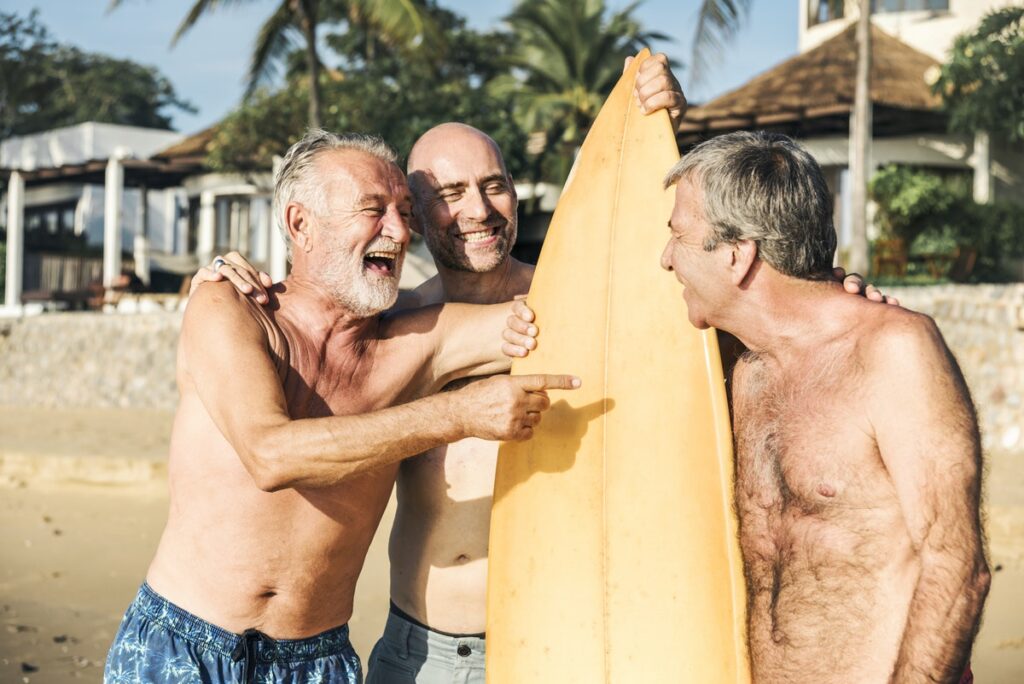
Getting your mates involved in a weekend game of footy or cricket can be an easy way to not only keep active without it feeling like a chore, but connecting with friends too – two birds, one stone!
Don’t forget to start small:
The number one motivator for men to participate in physical activity or sport was for their health and fitness. By overcoming these barriers and increasing your exercise levels, even if you start small and work your way up, you’re going to be improving your health and fitness in a large variety of ways.
It’s important to remember that any information you find online in videos, factsheets and other resources should be viewed as just a guide. If you need extra support or have any concerns, talk to your local GP or accredited exercise professional where possible.
Check out our men’s health ebook:
This latest eBook by Exercise & Sports Science Australia (ESSA) has been designed to encourage Australian men to become more active for their physical and mental health. It also covers the benefits of exercise for a wide range of common conditions adult men may encounter.

Speak to the exercise professional:
This is all easier said than done when you’re experiencing poor mental health which can lead to a lack of motivation, reduced interest in activities, and trouble concentrating. So, once you have started, how do you stay on board? How do you continue to improve? How do you know what to do?
This is where an accredited exercise professional, such as an Accredited Exercise Scientist or an Accredited Exercise Physiologist, can help. An accredited exercise professional is qualified to prescribe you a tailored exercise program that considers your current mental health state and existing medical history (this may include old or current injuries, any medication you take as well as your exercise likes and dislikes).
If you haven’t started undertaking some physical activity or completing an exercise program, now is a great time to start! Reach out to an accredited exercise professional for some extra support to help you get the best possible results, long term!

Written by Exercise & Sports Science Australia. Peer reviewed by Exercise and Sports Science Professionals.