

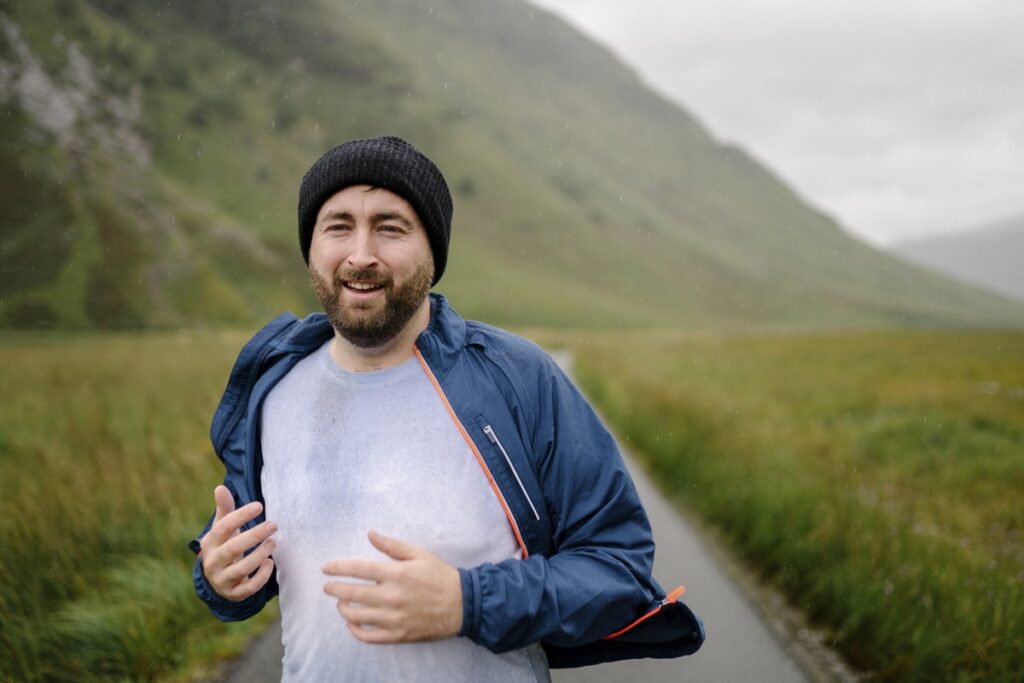


So, you’ve decided to exercise more? Firstly, CONGRATULATIONS! Committing to be more active is half the effort! But now what?
We’ve all gone from zero to hero before. Whether it’s the new year or birthday celebrations that kick start a new fitness regime, it’s easy to get carried away. If you go from doing nothing to exercising an hour a day, 7 days a week, odds are you’re setting yourself up for failure (and injury!).
Make a plan
Before jumping in, take a few minutes to consider how you can realistically incorporate these new activities into your life and existing commitments. For example, do you start work early? Do you live near a pool or walking track? Do you enjoy exercising in a group or alone? Adapting your exercise plan to suit your lifestyle, choosing activities you enjoy and being realistic about your goals will all help to ensure success.
Your body needs time to adjust
When we exercise, we intentionally add physical stress to the body forcing our body to adjust. Our body’s acute response to stress is an increased heart rate, respiratory rate and cardiac output. Ultimately, this means we’ll have increased energy expenditure. If your body is not accustomed to this, it can be quite a shock.
Starting slowly means your body has time to adjust to physical activity. This reduces your risk of injury and increases the likelihood of adherence. The importance of recovery is often overlooked, but it’s a crucial part of exercise participation.
So, how much exercise do you actually need to do?
Adults should aim to accumulate 150 – 300 minutes of moderate to vigorous physical activity each week. If you’re currently inactive, aim for 30 minutes of exercise on at least 5 days each week. You can do it all at once, or break it up into 3 x 10 minute blocks. Remember that anything is better than nothing!
A well structured workout has a few key parts:
Warm-Up – The warm up is a lower intensity exercise (like cycling or walking) that gradually increases to prepare the body for exercise. This decrease risk of injury.
Working Phase – The working phase is often the longest (and toughest!!!) part of your exercise session. This is when you do exercises that increase your muscular endurance and strength. These may include exercises such as squats and push-ups.
Warm Down – A warm down is designed to gradually return our body to it’s resting state. By the time your warm down is complete, your breathing rate has returned to normal so you can hold a conversation without feeling breathlessness.

Progressive Overload
Once you’re exercising regularly, it’s time to build your strength and aerobic fitness through progressive overload. This means either making the exercises harder, or doing them for longer.
All exercises can be adjusted to suit your capabilities (regardless what they are!). Let’s take push-ups for example… Anyone can do them! You just need to make them easier or harder depending on your goals and ability.
Progressions of the push-up:
1: Stand one step away from a (solid) wall, extend your arms and slowly bend your elbows to bring your nose towards the wall then return to original standing position.
2: Repeat the above movement, but place your hands on a bench or solid table.
3. Kneeling on the ground in four point position, slowly bend the elbows and bring the face toward the ground then return to original position.
4. Press your toes into the ground, lift the knees and keeping the body straight, lower your body towards the ground then return to starting position.
Want more help?
If you feel uneasy or just need some guidance, chances are there’s an exercise physiologist near you!
An Accredited Exercise Physiologist will discuss your exercise goals and take into account what you’ve done before and what you enjoy. Most importantly, they can help transition you from your current levels of physical activity to where you want to be, making sure any injuries or health concerns aren’t barriers to your progress or negatively impacted by this lifestyle change.
Happy exercising!!!

Loren Kirkwood is an Accredited Exercise Physiologist and director at Inspire Exercise Physiology.