


Almost one in five Australian women will be affected by pelvic organ prolapse (POP) during their lifetime.
Many women may feel lost when it comes to moving well or returning to exercise with POP, but there are many ways to help return to movement that you enjoy whilst protecting your pelvic floor.
Whether you are a candidate for surgery, or during rehabilitation from surgery, exercise has an important role in reconnecting and strengthening your pelvic floor muscles and the musculature surrounding the pelvis.
What is POP?
POP is the displacement of a pelvic organ (bladder, bowel or uterus) onto the vaginal wall. All of the pelvic organs are supported by a complex of muscles, ligaments, and fascia that attach to the bony anatomy of the pelvis. When these are weakened, those organs can descend.
Prolapse is common, fixable, and manageable.
What can cause pelvic floor weakness?
- childbirth
- being overweight
- constipation
- persistent heavy lifting with bad technique
- excessive coughing – causing repetitive straining
- changes in hormonal levels with menopause or surgery like a hysterectomy.
What are POP symptoms?
Prolapse can have a variety of symptoms, including:
- Pressure, pain, or fullness in the vagina, rectum, or both
- Feeling a downward dragging or like your “insides are falling out”
- Urinary incontinence, stress incontinence
- Constipation
- Lower Back, pelvic or abdominal pain
- Lack of sexual sensation or painful intercourse
Women can be hesitant to openly discuss these symptoms, but prolapse is very important to identify, and modifying exercises is necessary for exercise to be performed safely.
If you think you may have prolapsed, seek guidance from your GP or Women’s Health Physiotherapist.
Why is exercise important?
Exercise is important for your general health and fitness, especially for maintaining bone mineral density and mobility moving toward menopause.
Specific exercises for prolapse, including pelvic floor exercises, can help improve and manage prolapse symptoms and support your body, however, certain exercises are contraindicated for prolapse – and can make things worse.
Pelvic floor exercises:
- Improve bladder and bowel control
- Reduce the risk of prolapse
- Improve recovery from childbirth, gynecological surgery, and prolapse
- Increase sexual sensation and orgasmic potential increase social confidence and quality of life
Pelvic Floor exercises have their place to help improve motor control, strength, and endurance of your pelvic floor, however, a program of these exercises alone is not enough!
Exercise considerations
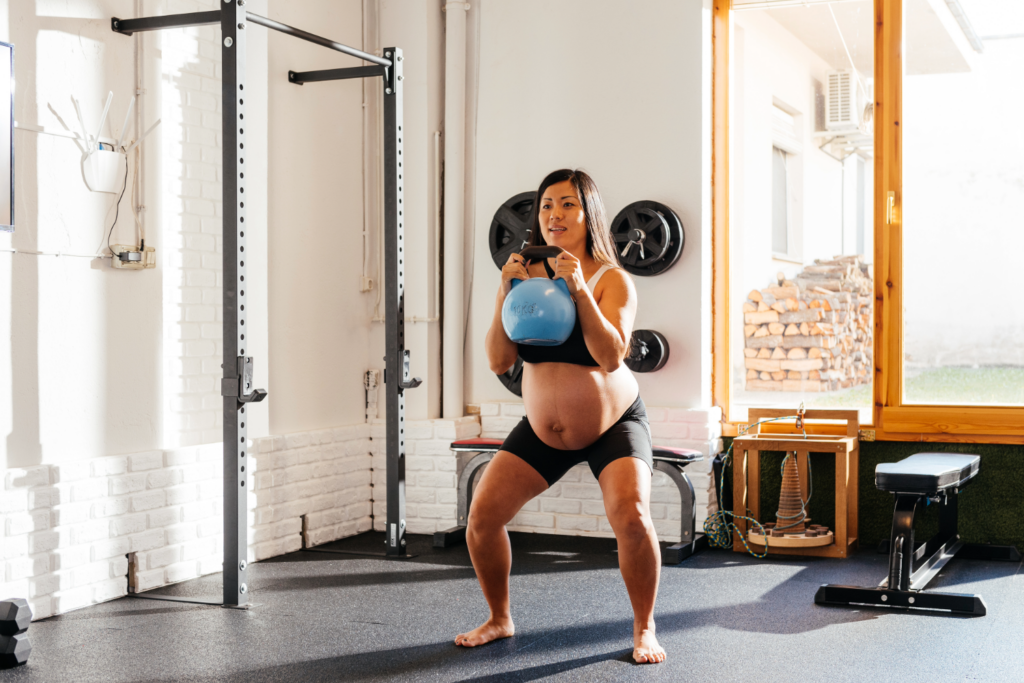
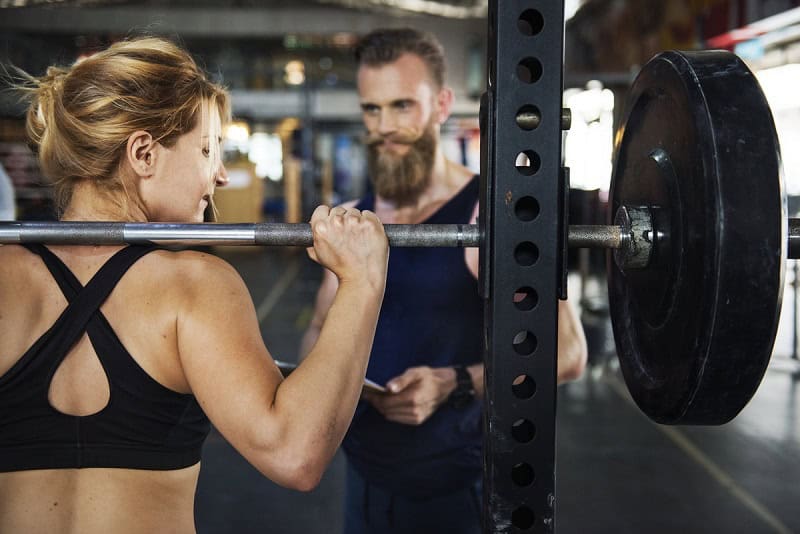
- Lighten your weights or resistance so that you don’t feel pressure down on your pelvic floor as you move
- Avoid holding your breath by exhaling with effort
- Maintain good posture
- Avoid all abdominal exercises like sit-ups and crunches – and instead chose abdominal exercises that resist lateral and frontal flexion like side planks.
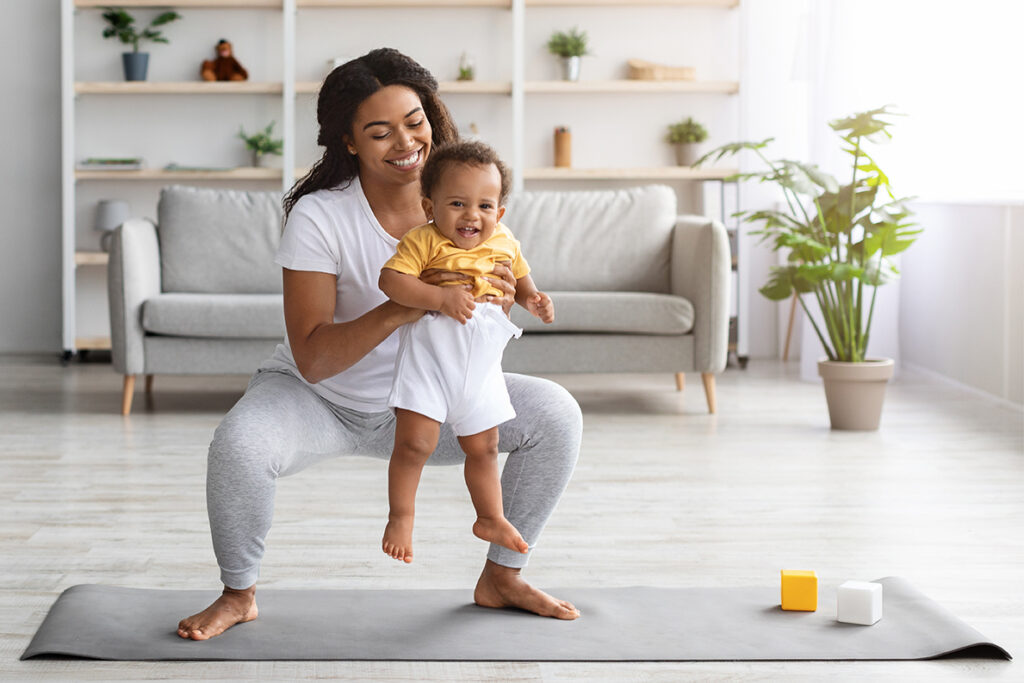
- Keep your legs closer together during exercise, no wide-legged squats or squat jumps
- Lift your pelvic floor before you move and relax afterward. Notice how many reps you can do before your pelvic floor muscles tire
- You may need to add some rests, or reduce the number of reps that you do in a row, while your pelvic floor muscle fitness improves.
Want to learn more?
An Accredited Exercise Physiologist can help create an individualised exercise program for you, that is pelvic floor safe and may help elevate your prolapse symptoms, allowing you to transition back to moving without fear, return to sport and support you to reach your personal fitness goals.