Exercise and cancer

A cancer diagnosis can feel overwhelming. Alongside medical treatment, exercise is one of the most powerful tools you can use to support your body and mind. Research shows that exercising during and after cancer treatment can reduce side effects, improve recovery, enhance quality of life, and even lower the risk of cancer coming back. 

With the right guidance, moving safely at any stage of your cancer journey can help you feel stronger, more energised and more in control. 

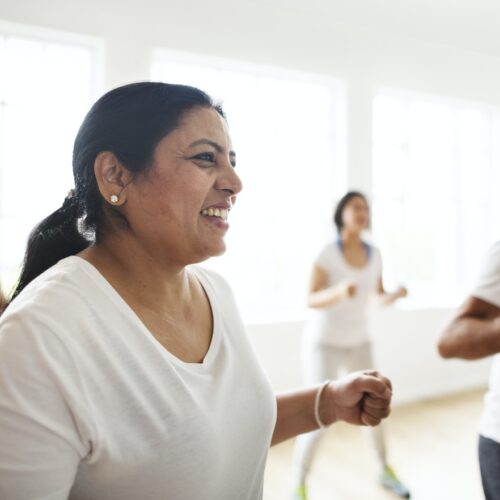
Group of adults smiling and exercising together in fitness class

How exercise helps people living with cancer

Cancer treatments like surgery, chemotherapy, radiation or immunotherapy can bring side effects including fatigue, nausea, loss of strength, stiffness, and changes to body composition. Exercise does not replace medical care, but it can: 

  • Maintain or rebuild muscle strength and bone health 
  • Improve cardiovascular fitness and lung capacity 
  • Reduce treatment-related fatigue and nausea 
  • Support immune function and healing 
  • Improve mobility, flexibility and independence in daily life 
  • Lower the risk of cancer recurrence and other chronic conditions 
  • Enhance mental health by reducing anxiety, stress and depression 

Even gentle movement during treatment can boost wellbeing, improve sleep, and help patients tolerate and complete their treatment more effectively. 

Exercise and specific cancers

Senior man walking outdoors with his grandchildren, smiling

Bowel cancer

Exercise can lower risk, improve digestion, reduce fatigue, and support recovery after bowel cancer treatment. 

Breast cancer

Regular movement supports strength, mobility and lymphoedema management, while also lowering the risk of recurrence. 

Gynaecological cancers

Exercise helps manage fatigue, circulation and recovery in women with ovarian, cervical and uterine cancers. 

Prostate cancer

Exercise reduces side effects of hormone therapy and other treatments, preserves muscle mass, and supports mental wellbeing. Find out how exercise supports prostate cancer recovery.

Female physiotherapist smiling while talking to a patient during exercise.

Blood cancers

Gentle, tailored activity can improve energy, reduce deconditioning and enhance quality of life during and after treatment. 

Discover safe exercise for blood cancers

What type of exercise is best?

The most effective exercise depends on your diagnosis, treatment stage and current health. In general, a balanced program for people with cancer should include: 

  • Aerobic activity like walking, cycling or swimming to support heart and lung health and reduce fatigue.  
  • Strength training using resistance bands, bodyweight or weights to rebuild muscle and bone strength. 
  • Flexibility exercises including stretching or yoga to improve mobility and ease stiffness. 
  • Balance and functional movement to boost stability, independence and confidence in daily activities. 

Australian guidelines recommend 150 minutes of moderate aerobic activity (or 75 minutes of vigorous activity) per week, plus two strength sessions. For people undergoing or recovering from cancer treatment, modifications are essential. This is where professional support makes a difference. 

Older woman relaxing on couch while reading the book
Trainer helping woman stretch outdoors

Get started with expert support

If you’re unsure where to begin, an Accredited Exercise Physiologist (AEP) or Accredited Exercise Scientist (AES) can help. These professionals are specially trained to design safe, evidence-based exercise programs for people with cancer. They will assess your individual needs, monitor your progress, and help you move with confidence. 

Frequently asked questions

Is it safe to exercise during chemotherapy?

Yes, with the right modifications. Exercise can reduce fatigue and maintain strength, but intensity and duration should be adapted to your energy levels and treatment stage. 

Yes. Exercise has been shown to improve appetite, reduce nausea, ease fatigue, and improve sleep and mood during treatment. 

Even small amounts of activity can help. Try short walks, gentle stretching, or breathing exercises. Listen to your body, rest when you need to, and start again when you feel ready. Short bursts of movement are better than none.

Research suggests that regular physical activity may reduce the risk of recurrence for several cancers, including breast and bowel cancer, while also lowering the risk of other chronic diseases.

More resources

Explore factsheets, eBooks and articles designed to help you move safely and confidently throughout your cancer journey. 

Three men smiling and holding surfboards on a beach

The Benefits of Exercise for Prostate Cancer

Prostate cancer affects 1 in 6 Aussie men, and is the most commonly diagnosed cancer in Australia. It’s characterised by an uncontrolled rate of cell growth within the prostate that has the potential to metastasize (spread) to other parts of the body. The prostate gland is situated within the pelvis and underneath the bladder. It’s […]


Person hiking at sunrise on mountain trail

Exercise for cancer eBook

Find out how exercise can support cancer treatment and recovery

Prostate cancer

Discover how exercise can support prostate cancer treatment and recovery