


Sometimes the best exercises for your health are the ones you’re NOT doing. Reasons why you haven’t changed from your regular “chest day” or workout routine is probably down to one of two reasons:
1. You don’t know they exist
2. They are challenging and you’d rather skip them
Many people don’t dare to look beyond what they know – they might be worried to not lift as much weight as someone, embarrassed, or just are uncomfortable with the movement. The issue is that most exercises that are great for us are the uncomfortable ones.
Yes, we all love to lie down and press a load of weight. There is nothing wrong with that at all. But benching a lot of weight and only focusing on the same movements isn’t exactly going to help balance out your body.
When it comes to exercise, many of us are creatures of habits. While it’s important to be consistent with your training, mixing it up is just as important. Your body and brain will thank you for varying your routine as there are numerous benefits that are key to stimulating different muscle groups.
Incorporating some new exercises (including the ones you hate) will only make you better and there are plenty of exercises out there you haven’t tried!
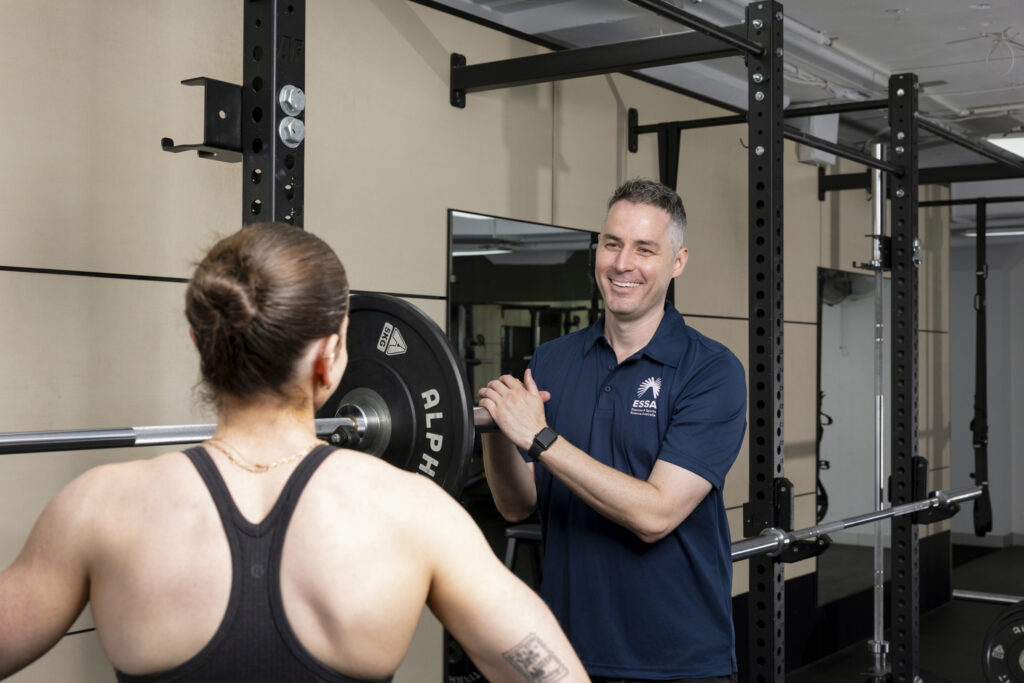
“You never want to make exercise boring and its common for people to neglect certain movements they just don’t like or scared to try.” says Accredited Sports Scientist, Ben Brugman.
“Most of the exercises everyone avoids are usually the most beneficial for you. Including a new movement in to your daily gym program will help you avoid reaching a plateau in your performance along with boredom.”
Ben has come up with his top 5 exercises most people know of but avoid that are beneficial to your training and health.
Ben’s Top 5 Exercises You’re NOT Doing:
Calf Raises
The calves connect you, via the feet, to the ground and are responsible for absorbing and producing a lot of the forces involved in exercise and daily life. This is the key for strengthening your ankles and will help with injury prevention.
Front Squat/Goblet Squat
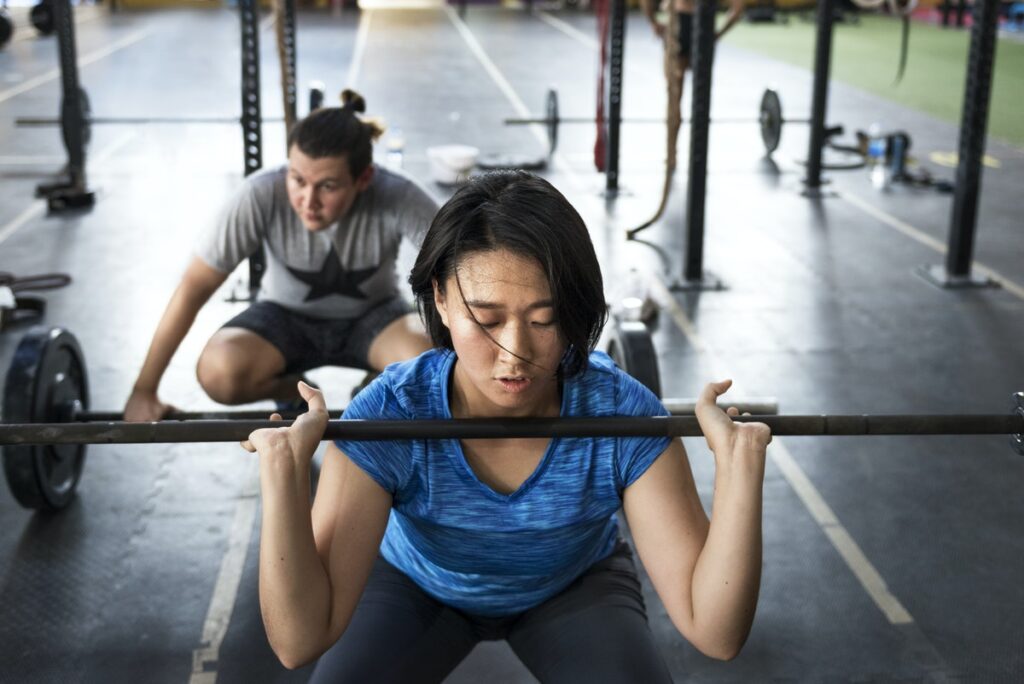
Challenges across the board from the top of the head to the bottom of the feet. These variants of the squat require patience, perseverance and likely some guidance from an accredited professional, but will pay you back in spades.
Glute Bridge/Hip Thrust
Good for more than just the ‘gram. Strong hips are the engine room of most athletic performance. Strong glutes are key to great posture, injury prevention and a strong core. They will also help you towards running faster and jumping higher.
Split Squats
So much in sport and exercise happens on one leg. If this isn’t a good enough argument for you, the split squat variants will also supplement your other lower body exercises to help continue progression.
Pull Ups
Assisted, resisted, in the gym, on the monkey bars, in a tree, or using a door frame! These demand perseverance and a willingness to challenge yourself but the benefits for shoulder function and athletic development are huge.
Try including these exercises into your daily workouts. You can either add them in as an extra exercise or substitute them for a single movement you’re already doing. An example would be to swap your standard lunges with split squats. Start basic, with little to no weight to familiarise yourself with the movement. Gradually build up over time to help strengthen each muscle group.

Need some help?
Accredited exercise professionals can help you during your journey towards becoming more active day to day. They offer guidance for training, injury management and can help you improve your overall performance goal. If you’d like to get some advice from a professional, click here to find one near you.