


Most people take balance for granted; navigating each day without thinking or effort. Unfortunately, as you age, losing your balance is a common issue making older adults more susceptible to falls and injury. Sadly 30% of adults over the age of 65 experience at least one fall per year. This equates to over $600 million for acute care in Australian hospitals. But what if there was a way to prevent the falls from happening in the first place?
Occupational therapists recommend taking your time (not rushing), cleaning up clutter and removing trip hazards, but you could even consider ensuring the correct footwear and lighting in your home. Amazingly, the number one activity for falls prevention in older Australian’s is exercise; but what type of exercise is best for preventing falls?
How much exercise?
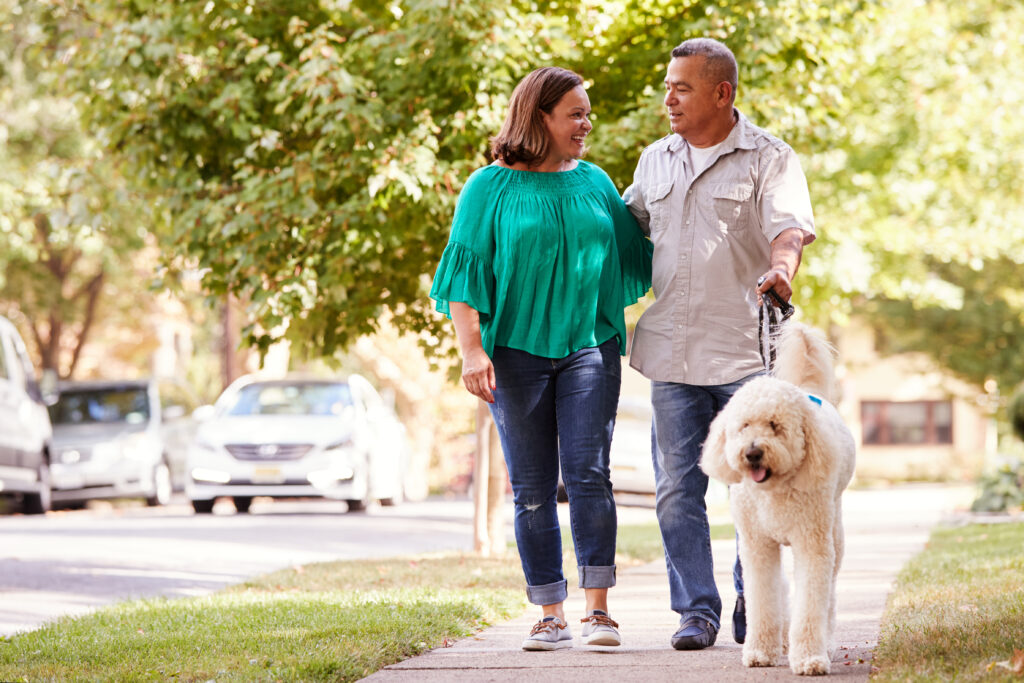
As with all exercise, every individual is different, but a combination of various types of activities, including a walk on most days, will have the best outcome. For optimum results, try doing a little bit each day; even 10 minutes in the morning and 10 minutes in evening. You could also try incorporating a few exercises while waiting for the kettle to boil, such as some calf raises while holding onto the kitchen bench. Or adding in some leg extensions or seated marches during the ad break of your favourite TV show.
A study was performed in a nursing home in Finland, where they asked the residents to simply stand one extra time every time they did a task (e.g. encouraged to stand up and sit down twice prior to going to the dining room for breakfast). Believe it or not, the falls risk of residents halved! Remember, a little bit does go a long way!
Types of exercise for falls prevention:
Resistance Exercise
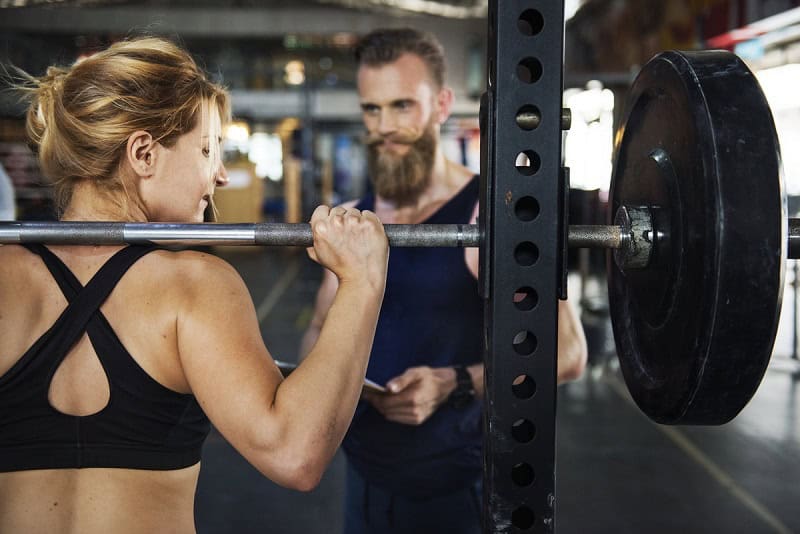
Maintaining strength is not only important to keep our muscles healthy, it also helps us perform daily activities (like getting out of a chair or stepping over something at home) and has an important role in maintaining balance. Resistance exercises can be performed using your body weight, light hand weights or resistance bands, various machines/free weights found in a gym setting or even using common household items like cans of food. Moving your muscle under a greater resistance promotes an increase in muscle mass and therefore great glucose uptake. Be sure to ask your Accredited Exercise Physiologist what type of resistance training is right for you.
Balance Exercise
Declining balance is common as we age. Practicing both static balance and dynamic balance, in a range of different foot positions and environments are great ways to maintain and improve your balance.
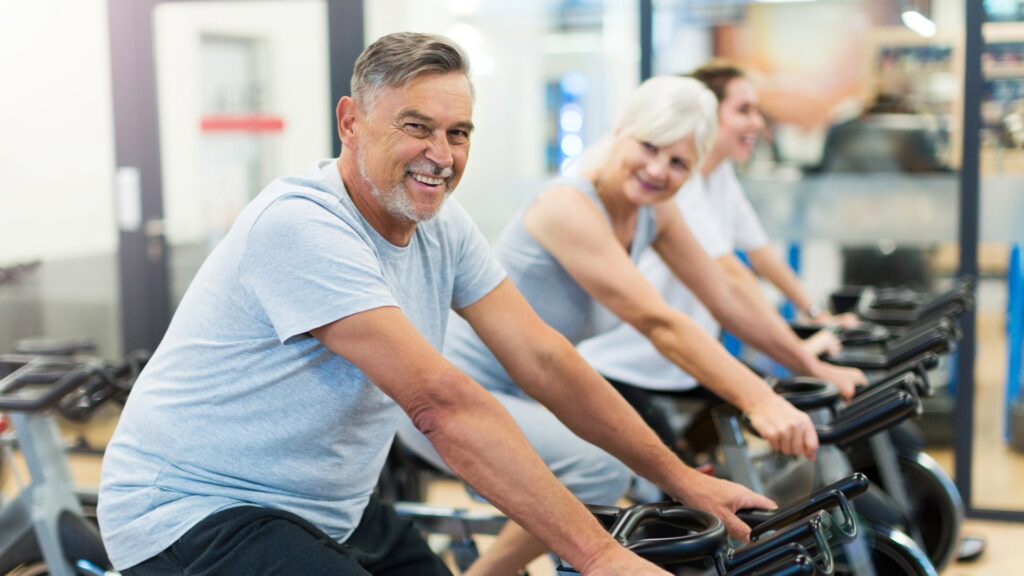
Group exercises classes, including Tai Chi being, are a great option for balance training. Research has shown that when you exercise in group, motivation to continue long term is greater…it’s also a fun social event! In Queensland, the government have created the Stay on Your Feet Program to keep older Queenslanders active and independent. Be sure to ask your Accredited Exercise Physiologist for safe specific balance exercises or groups that would be suitable for you!
Get the “right” advice
If you need help getting started or you’d like to get some professional advice specific to you, see an Accredited Exercise Physiologist or Accredited Exercise Scientist.
Click here to find one near you!
Download the Exercise and Falls Prevention factsheet by Exercise is Medicine Australia.

Written by Elise Hoyer. Elise is an Accredited Exercise Physiologist at BallyCara.