



This article was written in collaboration with The Lung Foundation Australia and Accredited Exercise Physiologist Nick Edwards, ESSA’s Chief Exercise Physiologist.
Being diagnosed with a lung condition can raise a lot of questions, especially about how to exercise safely and confidently.
Many people worry that exercise might make breathlessness worse, but the right kind of movement can help you feel stronger, more confident, and more in control of your symptoms.
That’s why Exercise Right Week encourages people to kickstart habits and discover the benefits of daily movement!
Exercise has been proven to help you breathe more easily, walk further, improve quality of life and keep people out of hospital!
Here are five practical ways to stay active and support your lung health, including exercise tips based on key principles used in pulmonary rehabilitation programs.
1. Move your body regularly
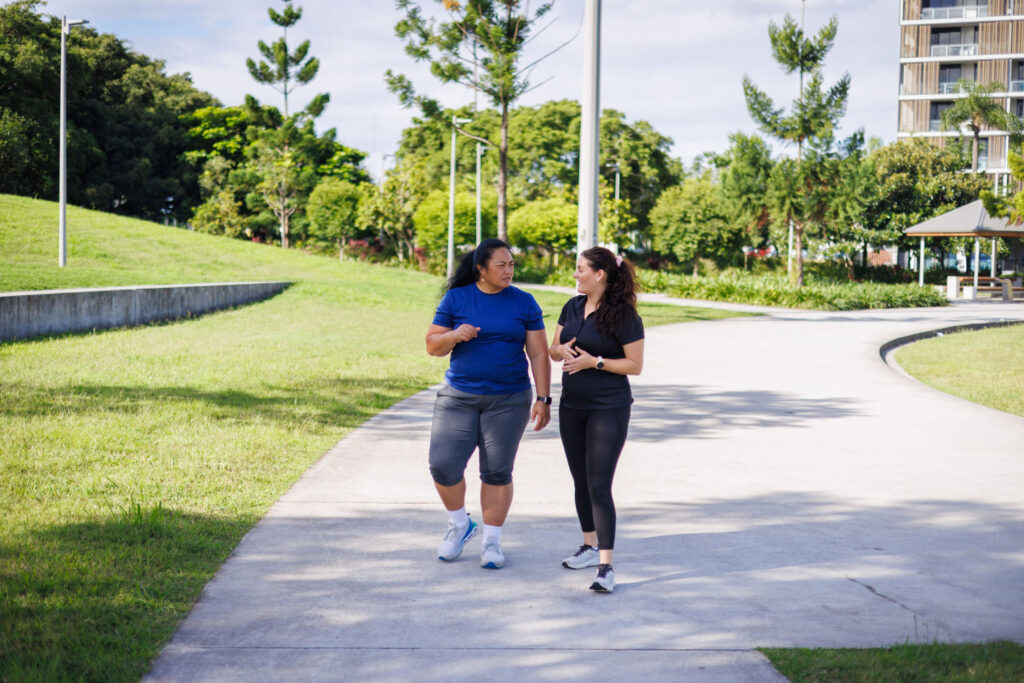
Gentle, regular activities like walking, cycling or swimming help your heart and lungs work more efficiently. Over time, this can reduce breathlessness and make daily tasks easier.
These activities focus on endurance and train your muscles to use oxygen better. As your fitness improves, you may find that you can move more comfortably and do more at home, with family, or out in the community. Often, moving slower is better, especially early on as you build endurance and confidence.
Start small, go at your own pace, and remember – even a short walk counts.
2. Build strength, balance and confidence
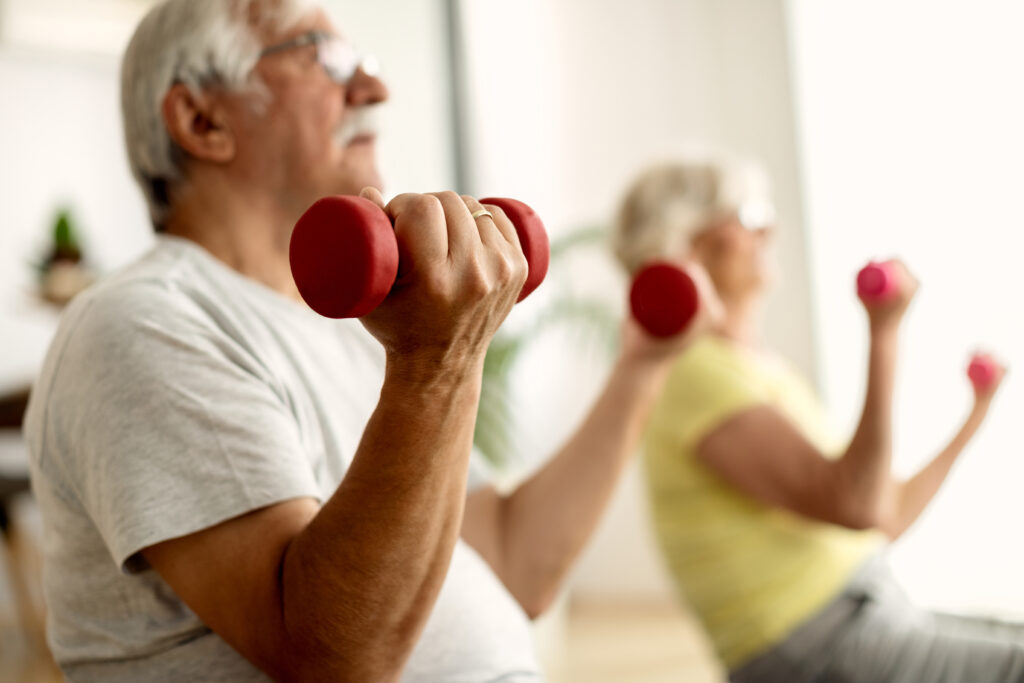
Strong muscles make everyday activities like standing up and out of low chairs, carrying groceries or climbing stairs easier and safer.
Strength and balance exercises can:
- Increase muscle and bone health
- Support mental wellbeing
- Reduce the risk of falls
- Boost confidence and independence
- Improve coordination
- Simple strength exercises can often be done at home using body weight or light resistance, such as sit-to-stands from a chair, wall push-ups, step-ups on a low step, or gentle resistance band rows.
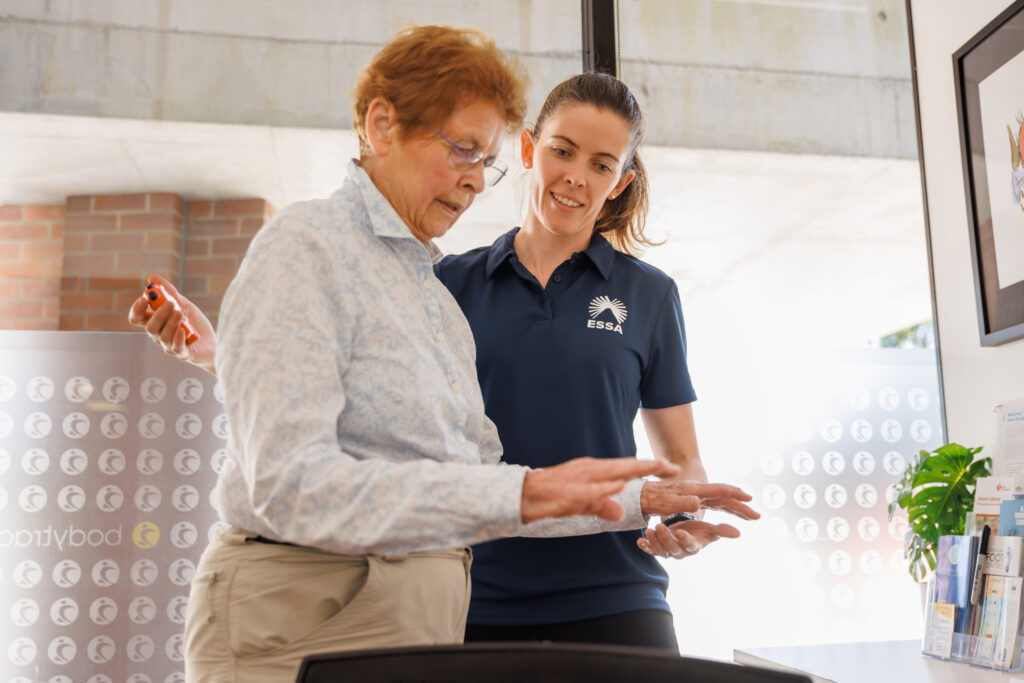
An accredited exercise professional can help you find options that are safe and suited to your abilities.
3. Move smarter, not harder
If you have a lung condition, learning how to pace yourself can make exercise and daily activities feel more manageable. Conserving energy can help manage breathlessness while staying active.
Helpful strategies include:
- Sitting while showering or preparing meals
- Using a support like a walking aid
- Leaning forward with your arms supported when feeling breathless
- If you use oxygen, pulling it in a lightweight trolley rather than carrying it
Recovery positions and pacing can reduce the strain on your breathing, muscles and help you recover quickly.
4. Learn ways to calm your breathing and body
When you’re living with a lung condition, stress and anxiety can make breathlessness feel worse. Learning ways to relax your body and breathing can help you feel calmer and more comfortable during activity.
Relaxation techniques can:
- Slow your breathing
- Reduce muscle tension
- Lower heart rate and stress levels
This might be something simple, like sitting quietly outside, focusing on calm breathing, listening to music, or spending time with a pet. Techniques like pursed-lip breathing or using a handheld fan can also help when you feel short of breath.
Your healthcare team or an accredited exercise professional can guide you through relaxation strategies and specific breathing exercises that work for you.
5. Fuel your body for better breathing
Eating well supports energy levels, muscle strength and recovery – all important when staying active.
If breathlessness makes eating harder, these tips can help:
- Rest before meals
- Eat slowly and take your time
- Choose smaller, more frequent meals
- Prepare meals ahead of time when you feel well
- Make use of healthy, convenient options
A dietitian or exercise professional can offer practical advice tailored to your needs.
Getting the right support
Exercise Right Week is a reminder that movement can be safe, personalised and empowering, even if you’re living with a lung condition.
If you’d like individualised support, an Accredited Exercise Physiologist can help you start or adapt exercise safely for your lung condition. You can find one through Exercise and Sports Science Australia using the Find an Accredited Exercise Professional tool.
You can also speak to your GP or healthcare team about what options are right for you – or contact Lung Foundation Australia’s Lung Health Helpline on 1800 654 301 for information and support.