


This article was written in collaboration with Accredited Exercise Physiologist Matt Mulcahy from Atrium Exercise Physiology.
For many men, looking after their health is placed on the back burner. Work, family commitments, financial pressures and the expectation to simply “push through” can mean physical and mental wellbeing are neglected for years before support is sought.
Yet, one of the most effective tools for improving men’s health may also be one of the simplest: moving together.
Group exercise combines the physical benefits of activity with something equally important: social connection. Exercise is well known to improve symptoms of anxiety and depression, reduce chronic disease risk and enhance overall quality of life. A growing body of evidence suggests that the social component of exercise may provide an additional layer of benefit, particularly for men who may otherwise struggle with isolation or disengagement.
A recent evaluation of Australia’s “The Man Walk” initiative found participants reported improvements in mental health, social wellbeing and physical activity through the simple act of walking together regularly. Long-term participation was also associated with lower depressive symptoms.
This is particularly important given that loneliness and social isolation are increasingly recognised as major contributors to poorer mental and physical health outcomes in men. Research from the University of Queensland has also demonstrated that strengthening social group connections can significantly improve mental health outcomes.
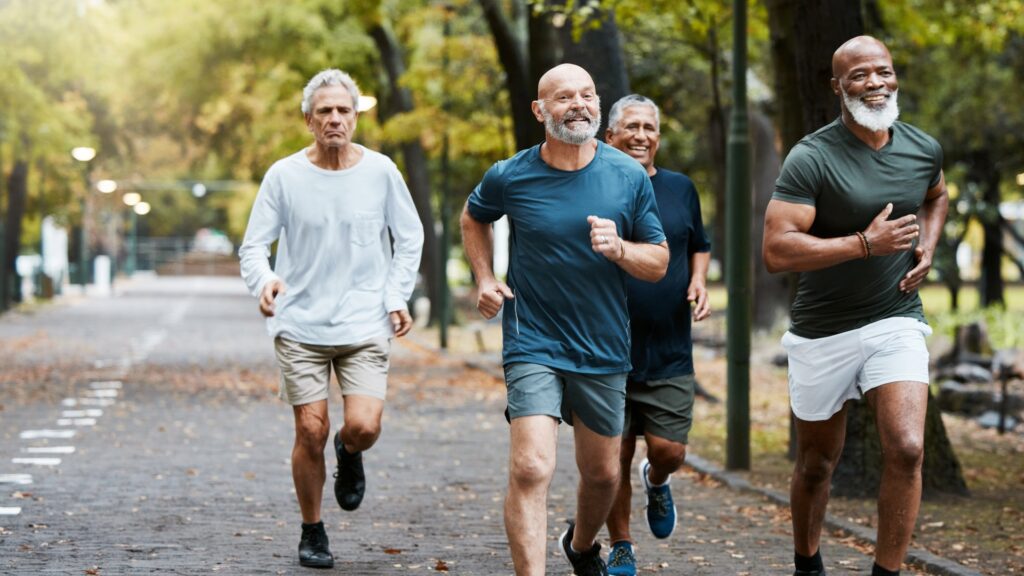
Group exercise doesn’t need to involve elite fitness levels or competitive sport. In fact, many men engage more consistently in movement when the focus shifts away from performance and towards camaraderie, routine and enjoyment.
How men can get started
If you’re looking to improve your health and build stronger social connections, consider:
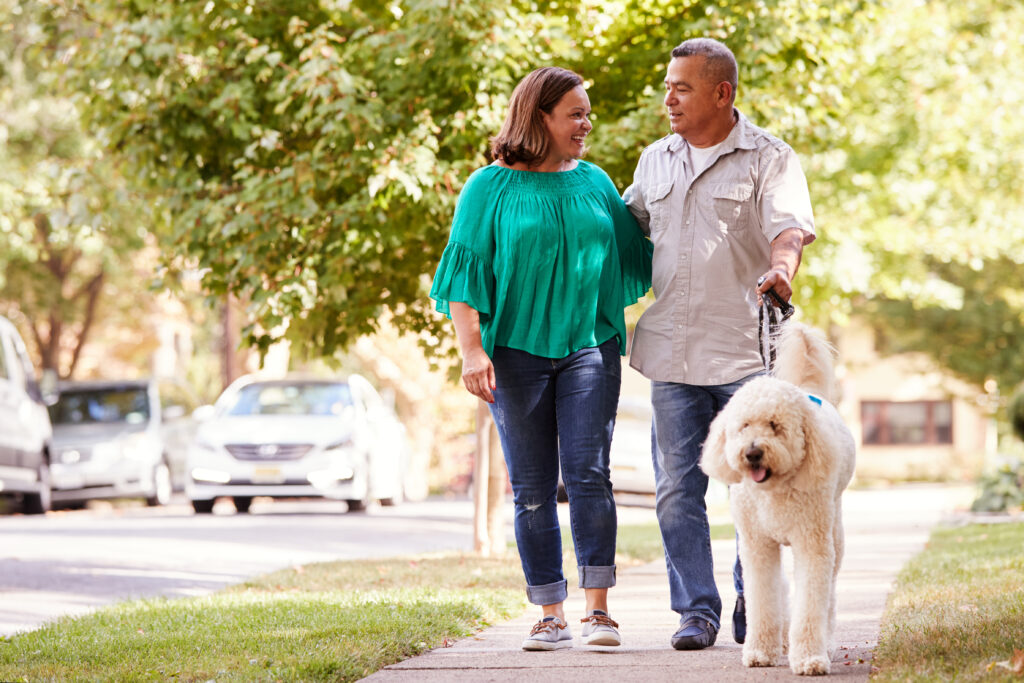
Join a walking group: walking is accessible, low-cost and provides an easy environment for conversation.
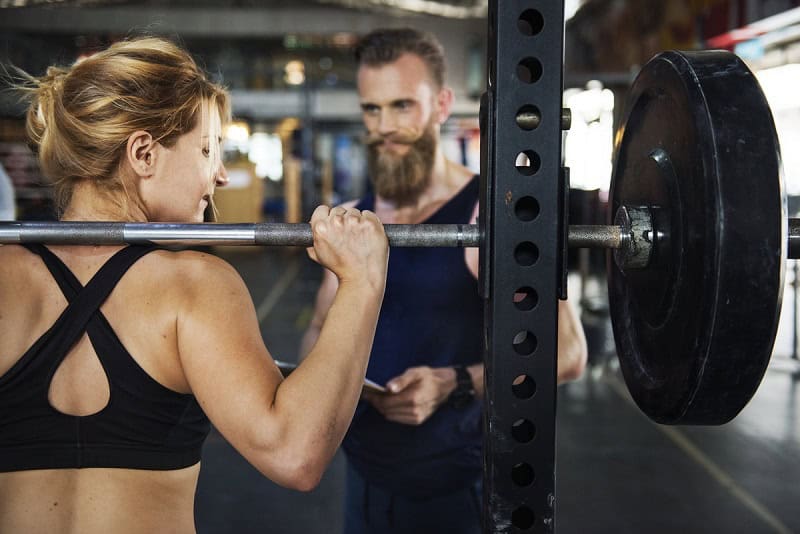
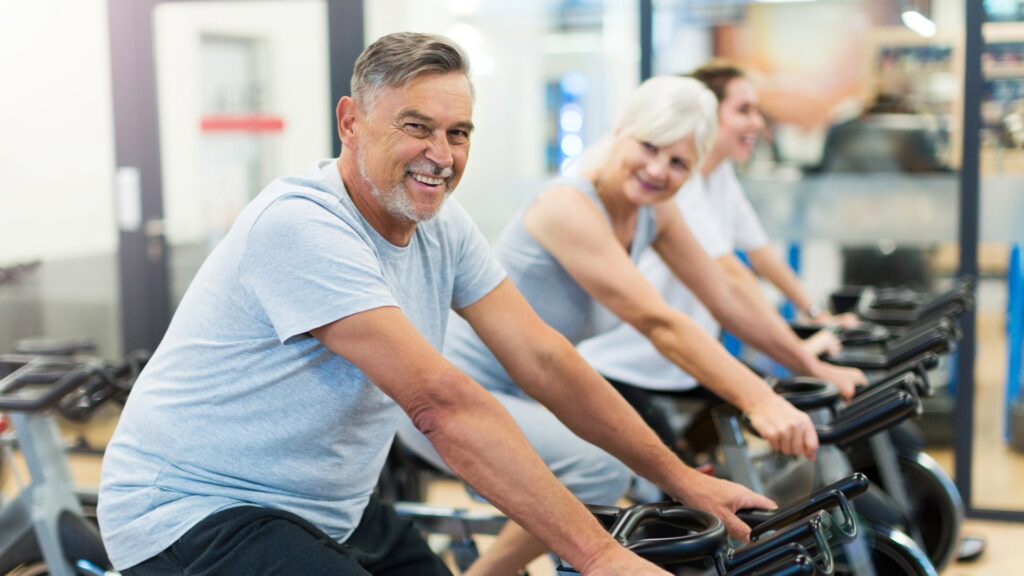
Participate in community exercise programs: local exercise groups, sporting clubs and community health initiatives can provide both physical and social benefits.Exercise with a friend: scheduling regular walks, gym sessions or bike rides with a mate can help build accountability and consistency.
Find activities you enjoy: whether it’s golf, swimming, hiking, resistance training or social sport, enjoyment increases the likelihood of sticking with it long term.
Start small: you don’t need to commit to intensive exercise. Even one regular session each week can be a meaningful first step.
Seek professional support: an Accredited Exercise Physiologist can help you find safe, appropriate ways to become more active while connecting you with community-based exercise opportunities.
Community initiatives such as walking groups, charity fitness events and men’s health programs can provide valuable opportunities to combine movement with meaningful social interaction. These programs often create supportive environments where men can connect with others, share experiences and improve their health together.
Events such as Men’s Health Week and initiatives supported by Movember also play an important role in encouraging conversations about men’s physical and mental health. These campaigns help raise awareness of issues including prostate cancer, testicular cancer, mental health and suicide prevention, while promoting practical steps men can take to improve their wellbeing.
For some men, these activities become the first step back into regular physical activity. For others, they provide accountability, structure and an important social outlet during challenging periods of life. While exercise offers significant physical benefits, the connections formed through shared movement may be just as valuable. Sometimes improving wellbeing starts with a simple walk, a shared conversation and a community that encourages you to keep showing up.
References
Eather, N., Wade, L., Pankowiak, A., & Morgan, P. J. (2023). The impact of sports participation on mental health and social outcomes in adults: A systematic review. Systematic Reviews, 12(1), 102. https://doi.org/10.1186/s13643-023-02264-8
Exercise & Sports Science Australia. (2021). ESSA launches eBook to encourage Aussie men to look after their health with physical activity. https://www.essa.org.au/Public/Public/News_Room/Media_Releases1/2021/ESSA_launches_new_eBook_for_mens_health.aspx
Lederman, O., Chapman, J., Fibbins, H., et al. (2026). Role of exercise physiologists in mental health support and recovery: 2026 ESSA consensus statement. British Journal of Sports Medicine. Advance online publication. https://doi.org/10.1136/bjsports-2025-109999
Haslam, C., Cruwys, T., Haslam, S. A., Dingle, G., & Chang, M. X.-L. (2016). Groups 4 Health: Evidence that a social-identity intervention that builds and strengthens social group membership improves mental health. Journal of Affective Disorders, 194, 188–195. https://doi.org/10.1016/j.jad.2016.01.010