



It’s Men’s Health Week, and we’re once again highlighting the importance of exercise and physical activity for men’s mental health.
Mental health of aussie blokes
Currently in Australia, one in eight men will experience depression, one in five will experience anxiety and six men a day will die by suicide. With the COVID-19 pandemic continuing to affect the day-to-day lives of so many Australians, mental health experts are warning that the prevalence of these mental health conditions could increase substantially over the coming months and years.
“With COVID-19 putting extra strain on the mental health of Aussie men, it’s never been more important for blokes to stay active,” says Exercise & Sports Science Australia (ESSA) board member and mental health researcher, Simon Rosenbaum.
“We know that as little as one hour of exercise a week can help to protect against depression and that living an active lifestyle is one of the best ways to improve your mental well-being.”
The benefits of exercise
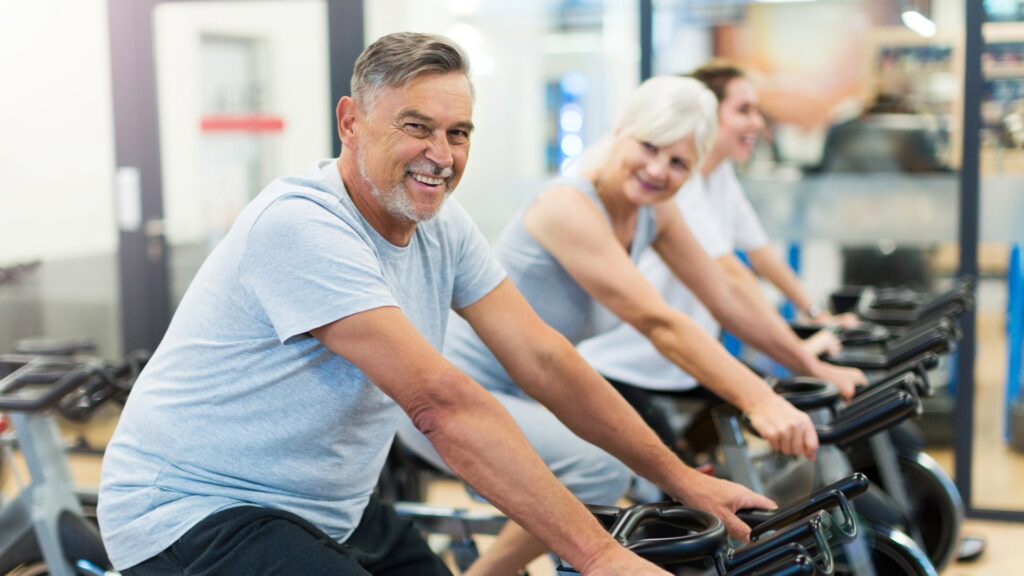
Regular exercise can help to improve sleep patterns, help individuals to manage stress, reduce the risk of mental illness and improve mood. It is also vital for those who are living with mental health conditions, like depression and anxiety, as it can help to manage the severity of symptoms and to reduce the risk of future incidences.

Aussie men aren’t moving enough
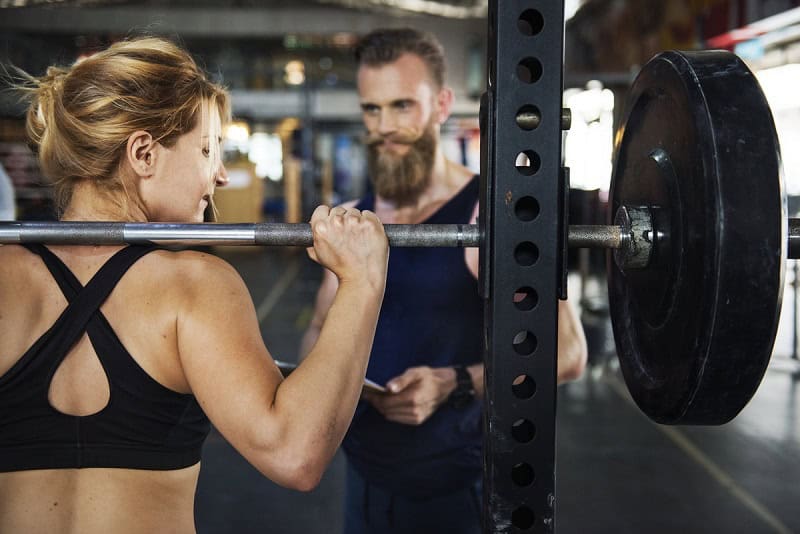
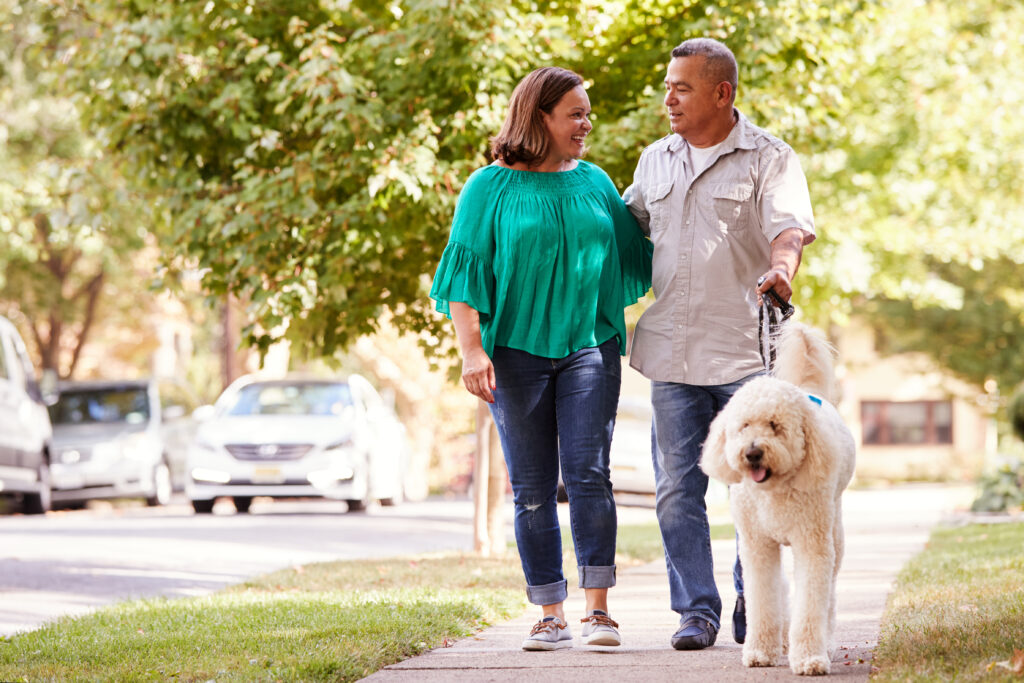
Despite the health benefits of exercise, only 17% of males aged 18 – 64 meet the national Physical Activity Guidelines. So how much is enough? Every week, Aussie men should aim to get at least 150 minutes of moderate to vigorous intensity physical activity. That means activity or exercise that makes you puff (you should be able to talk, but not sing). It’s also recommended that you do muscle strengthening exercises at least twice a week.
We’re urging Aussie men that now is the time to work together to increase their physical activity levels and make both their physical and mental health a priority.
“We can all work together to help improve men’s mental health” says Simon.
“By turning to friends, family and the local community for support, and by working with an accredited exercise professional, every Aussie bloke has the ability to live a healthier and more active lifestyle, regardless of their age, fitness level or health status”.
Where to get the right advice
If you’re new to exercise, it can be tough to know how to start safely. This is especially true for those living with a chronic condition or those struggling with their mental health. We recommend seeking out an expert to help you to exercise safely for your individual needs. Accredited Exercise Physiologists are university-qualified health professionals who are specially trained to prescribe exercise for those living with long-term injuries, disability, chronic disease or mental health conditions. Their services are claimable under compensable schemes like Medicare, the NDIS and most private health insurers.
To find an exercise physiologist near you, click here.